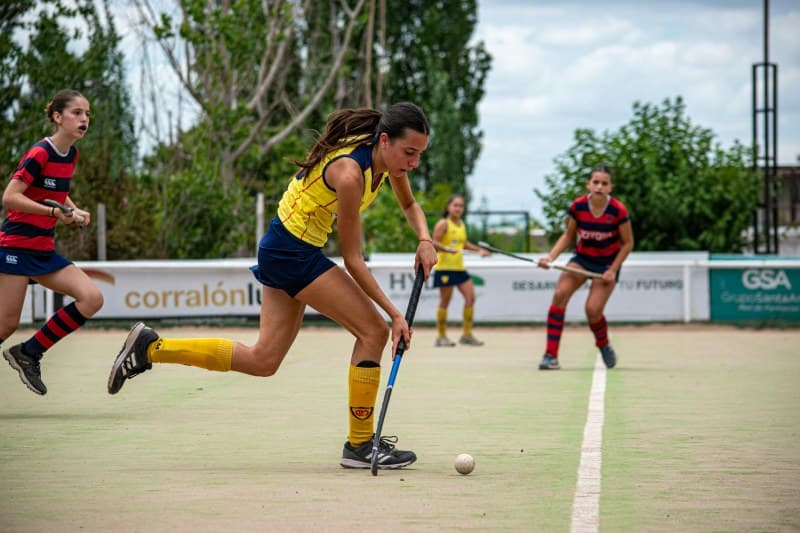
Sarah plays rec volleyball every Saturday. For months, she’d grab a bagel with cream cheese an hour before her game, but by the third set, her legs felt heavy and she could barely jump. She thought she just needed to train more—until a teammate mentioned adjusting her pre-game snack. Swapping the bagel for oatmeal with peanut butter and a banana changed everything: she had more energy, and her jumps were back to normal. That’s the power of sports nutrition for casual athletes—it’s not just for pros.
What Is Sports Nutrition for Casual Athletes?
It’s not about strict diets or fancy supplements. It’s about eating and drinking in a way that supports your body during and after the activities you love—whether that’s a weekly pickup game, a morning run, or a yoga class. The goal is to keep your energy steady, recover faster, and avoid that mid-activity crash.
4 Common Myths Debunked
Myth 1: You need sports drinks for every workout
Truth: Sports drinks are designed for activities longer than 60 minutes. For shorter sessions (like a 30-minute walk or a quick basketball game), water is enough. Sports drinks have sugar and electrolytes—excess can lead to unnecessary calories.
Myth 2: More protein = better muscle recovery
Truth: Casual athletes need about 0.8 to 1 gram of protein per kilogram of body weight daily. For a 70kg person, that’s 56-70g a day—easily met with foods like chicken, eggs, or Greek yogurt. Chugging protein shakes beyond this won’t help; your body can’t use extra protein at once.
Myth 3: Carbs are bad for athletes
Truth: Carbs are your body’s primary fuel for high-intensity activity. When you run, jump, or sprint, your muscles use glycogen (stored carbs) for energy. Skipping carbs means you’ll tire faster. Opt for whole carbs like oats, sweet potatoes, or brown rice.
Myth 4: You have to eat immediately after activity
Truth: While a 30-60 minute window is ideal for muscle recovery, it’s not a hard rule. If you can’t eat right away, having a balanced meal within 2 hours works just fine. Don’t stress if you’re grabbing a snack on the way home.
Key Fueling Timing Basics
Here’s a quick breakdown of what to eat (and when) to get the most out of your activity:
| Timing | Key Nutrients | Easy Examples |
|---|---|---|
| 1–2 hours before activity | Carbs (energy) + small protein | Oatmeal with peanut butter & banana; Greek yogurt + granola |
| During (if >60 mins) | Quick carbs + hydration | Banana; sports drink; energy gel (optional) |
| 30–60 mins after | Protein (muscle repair) + carbs (replenish) | Chicken wrap with veggies; chocolate milk; apple + almond butter |
Wisdom to Remember
The food you eat can be either the safest and most powerful form of medicine or the slowest form of poison. — Ann Wigmore
This quote rings true for casual athletes too. Choosing the right foods isn’t just about performance—it’s about taking care of your body so you can keep doing the activities you love for years.
FAQ: Your Casual Sports Nutrition Questions Answered
Q: I only play pickup basketball once a week—do I really need to worry about sports nutrition?
A: Yes, but it’s simpler than you think. Even one weekly game benefits from small adjustments: eat a balanced snack before (like a banana with peanut butter) and hydrate throughout the day. You don’t need supplements—focus on whole foods.
Practical Tips to Get Started
- Hydrate the day before: Drink water consistently, not just right before your activity.
- Keep pre-game snacks familiar: Don’t try new foods on game day—stick to what you know works for your body.
- Listen to your body: If you feel sluggish mid-activity, note what you ate (or didn’t eat) and adjust next time.
- Don’t overcomplicate it: Even small changes (like swapping a sugary snack for a fruit) can make a big difference.
At the end of the day, sports nutrition for casual athletes is about balance and common sense. It’s not about perfection—it’s about feeling your best while doing what you love.