Let’s be real: You set a goal to save $100 this month, but by the end of the week, you’ve already spent that extra cash on takeout or a last-minute online purchase. Then you kick yourself—why can’t you just remember to put money aside? Mia, a 28-year-old graphic designer, knows this feeling all too well. She’d tell you about the time she meant to transfer $50 to her vacation fund after getting paid, but got caught up in work deadlines and forgot. By the end of the month, that $50 was gone on coffee runs and a new pair of shoes. Sound familiar?
Why We Forget to Save: The Hidden Reasons
Saving isn’t just about willpower—it’s about how our brains work. Here are a few key reasons it slips our minds:
- Cognitive load: Your brain is already juggling work, chores, and plans. Adding “save money” to the list often gets pushed to the back.
- Out of sight, out of mind: If your savings account isn’t in your daily view, it’s easy to ignore.
- Lack of routine: Saving isn’t a habit yet, so it doesn’t happen automatically.
6 Fixes to Stop Forgetting to Save
These simple tricks turn saving from a chore into something you don’t even have to think about:
- Set up automatic transfers 💡: Link your checking account to savings and schedule a transfer right after payday. Mia did this—$30 goes to her vacation fund every two weeks, and she barely notices.
- Use phone alarms 📱: Set a reminder on your phone for the day after you get paid. Label it “Save now!” to make it hard to ignore.
- Stick visual cues everywhere 📝: Put a sticky note on your fridge or laptop that says “Save for your trip!” to keep your goal top of mind.
- Round up purchases: Use an app that rounds up every debit card purchase to the nearest dollar and transfers the difference to savings. For example, a $4.50 coffee becomes $5, and 50 cents goes to savings.
- Make savings a game: Challenge yourself to save $1 more each day (day 1: $1, day 2: $2, etc.). By month’s end, you’ll have saved over $400!
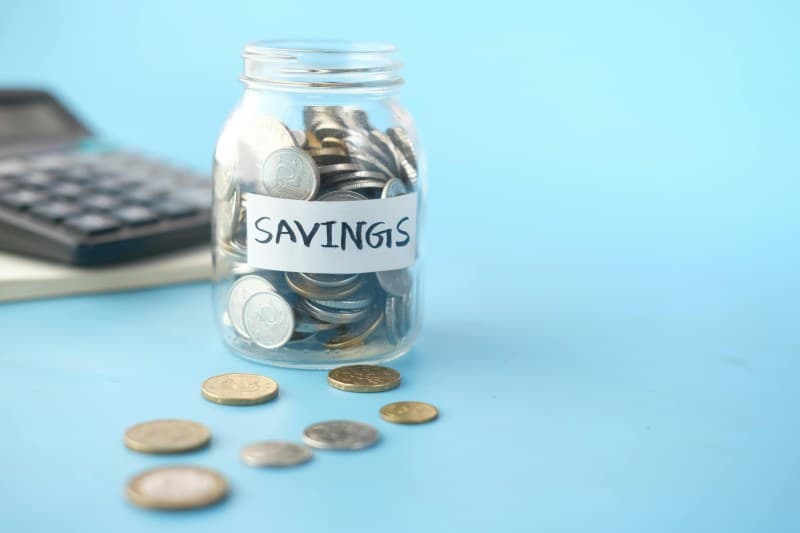
- Keep savings visible: Use a physical jar for small cash savings, or check your savings account balance every morning. Seeing it grow keeps you motivated.
Which Reminder Method Works for You? A Quick Comparison
Not sure which fix to try first? Here’s how four popular methods stack up:
| Method | Ease of Setup | Consistency Level | Effort to Maintain |
|---|---|---|---|
| Automatic Transfers | High (5 mins) | Very High (set it and forget) | Low (only adjust if needed) |
| Phone Alarms | High (1 min) | Medium (easy to snooze) | Medium (need to act on the alarm) |
| Visual Cues | High (2 mins) | Low (can get used to them) | Low (replace occasionally) |
| Round-Up Apps | Medium (10 mins to link accounts) | High (automatic) | Low (check monthly) |
Classic Wisdom to Keep You On Track
“Beware of little expenses; a small leak will sink a great ship.” — Benjamin Franklin
Franklin’s words ring true today. Those $5 coffee runs add up, but so do $5 savings transfers. Even small, consistent savings can grow into something big over time.
FAQ: Common Question About Forgetting to Save
Q: What if I don’t have much money to save each month?
A: It’s not about the amount—it’s about building the habit. Start with $5 or $10 a month. Once saving becomes automatic, you can increase the amount as your budget allows. Mia started with $30 and now saves $50 every two weeks!
At the end of the day, saving is a habit, not a one-time task. Pick one fix from the list and try it this month. You’ll be surprised how quickly it becomes second nature.