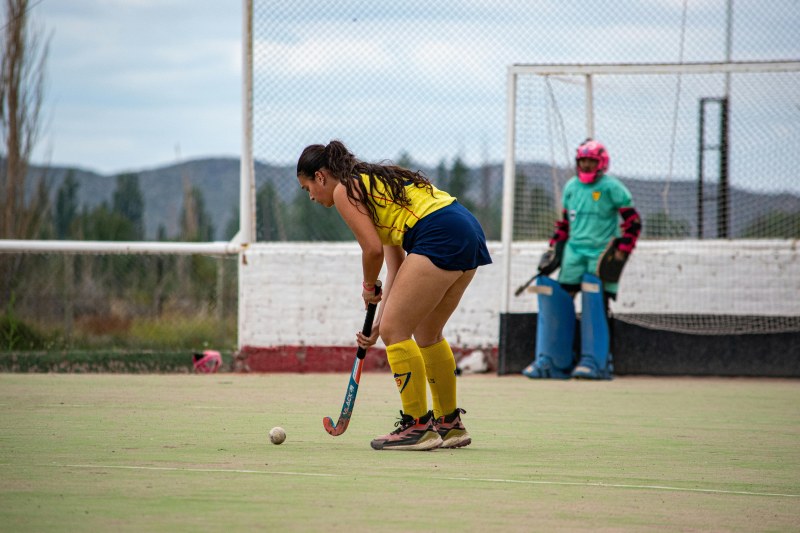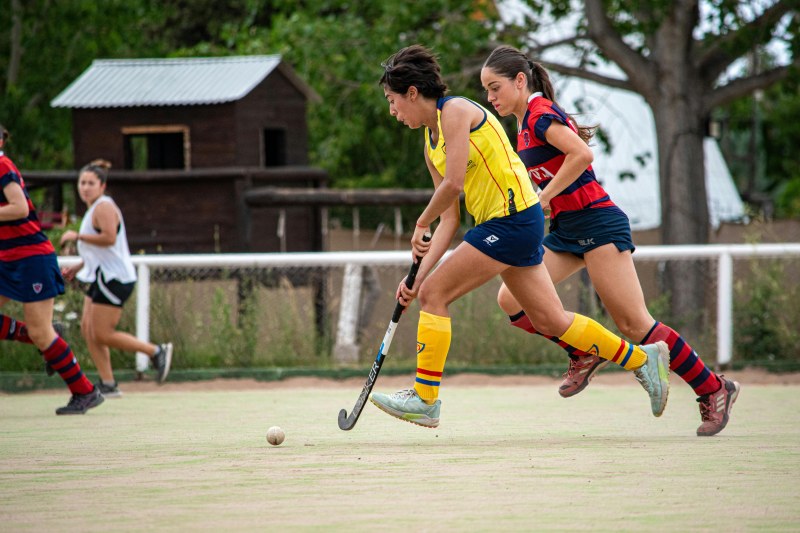
Last weekend, I joined a pickup soccer game at the local park. A quiet teen named Leo showed up alone—nervous, fidgeting with his cleats. At first, no one passed to him; players stuck to their usual crew. Then Mia, a regular, yelled, “Hey Leo, left side!” and sent a perfect pass his way. Leo smiled, took the shot (missed, but so what?), and suddenly the whole team loosened up. By the end, everyone was high-fiving, and Leo was laughing like he’d been part of the group for months. That’s the power of team dynamics—small, intentional acts can turn a stiff game into something memorable.
What Are Casual Sports Team Dynamics?
Team dynamics in casual sports aren’t about fancy plays or winning trophies. They’re the unwritten rules of how players interact: how we welcome new folks, communicate during the game, and support each other when things go wrong. It’s the difference between a game that feels like a chore and one you can’t wait to come back to.
6 Key Factors Shaping Your Team’s Vibe
Let’s break down the elements that make or break a casual sports team:
- Inclusivity: Do new players get a chance to play, or are they sidelined? Leo’s experience shows how a single pass can make someone feel seen.
- Communication: Are players yelling at each other for mistakes, or giving positive feedback? A quick “nice try!” goes further than “why did you miss that?”
- Role Clarity: Even in casual games, knowing who’s covering the goal or passing the ball reduces confusion. No one wants to run around aimlessly.
- Attitude: Is the focus on winning, or on having fun? Most casual players are there to unwind, not compete for a championship.
- Support: Do teammates celebrate small wins (like a good pass) or only big goals? Celebrating the little things builds morale.
- Adaptability: Can the team adjust to different skill levels? If half the players are beginners, slowing down the pace helps everyone enjoy the game.
Team Roles: Pros & Cons for Casual Games
Every casual team has unspoken roles. Here’s how three common ones impact your game:
| Role | Pros | Cons |
|---|---|---|
| The Encourager | Boosts morale, makes new players feel welcome, keeps the mood light. | Might not push the team to improve, could overlook mistakes that need fixing. |
| The Competitor | Drives the team to play their best, adds excitement to the game. | May get frustrated with less skilled players, focus too much on winning. |
| The Organizer | Keeps the game structured, ensures everyone gets a turn to play. | Might be too rigid, take the fun out of casual play. |
Common Myths Debunked
Let’s set the record straight on two big myths about casual team dynamics:
Myth 1: Winning is the only way to have fun
Wrong! A 2022 survey of casual sports players found that 78% said “social connection” was their top reason for playing—way more than winning (12%). The best games aren’t the ones you win; they’re the ones where you leave smiling.
Myth 2: Only skilled players contribute
Skilled players might score goals, but less skilled players can do things like pass the ball, cheer for teammates, or even just fill a spot so the game can happen. Everyone has something to offer.
Fun Team Building Hacks
Want to improve your team’s dynamics? Try these simple tricks:
- Pre-game huddle: Take 2 minutes to say hello and set a goal (e.g., “Let’s make sure everyone gets at least one pass”).
- Post-game snack: Bring a bag of chips or fruit—sharing food builds bonds.
- Positive comment rule: After the game, each player gives one nice comment to someone else (e.g., “Loved your pass to Leo!”).
Quick FAQ
Q: I’m shy—how can I help improve team dynamics without being loud?
A: Start small! Smile at new players, pass the ball when you can, or clap when someone makes a good play. You don’t need to be the leader to make an impact.
“Alone we can do so little; together we can do so much.” — Helen Keller
This quote sums up casual sports perfectly. When we focus on each other instead of just the game, we create something way more fun and meaningful. Next time you play, try one small act to lift your team up—you’ll be surprised at how much it changes the game.