I still remember the first time I tried to bake a sourdough loaf for my sister’s birthday. I followed the recipe to the letter, but when I pulled it out of the oven, it was so dense I could barely slice it. My sister laughed and said it was perfect for doorstops—but I knew I had to figure out what went wrong.
Why Your Homemade Bread Turns Dense or Gummy
Dense or gummy bread usually comes down to a few common missteps. Maybe you underkneaded the dough (so gluten didn’t form properly), overproofed it (causing the structure to collapse), used the wrong flour, added too much liquid, skipped steam during baking, or baked at the wrong temperature. Each of these small errors can turn a promising loaf into a heavy brick.
6 Easy Fixes to Get Fluffy Bread
- Knead until gluten forms: Gluten is what gives bread its structure. Knead by hand for 8-10 minutes or in a mixer for 3-5 minutes until you can do the “window pane test”—stretch a small piece of dough thin enough to see light through it without tearing.
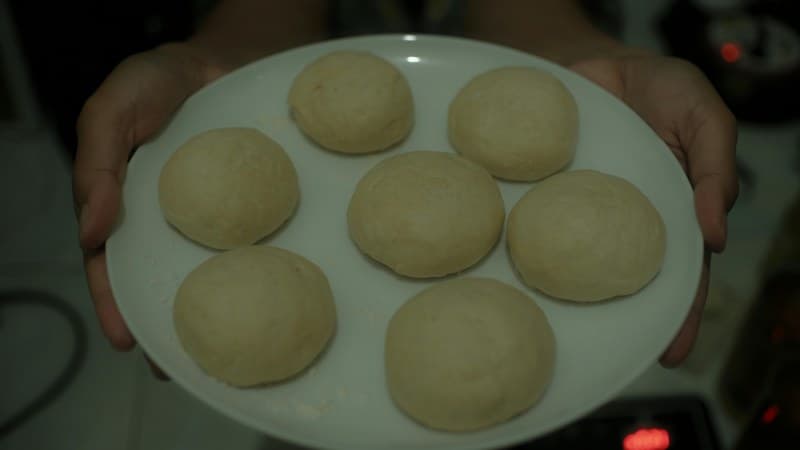
- Proof in a warm spot: Dough needs a warm, draft-free place to rise. Try placing it in an oven with the light on (no heat!) or a proofing box. Check it after 1-2 hours—if it doubles in size and springs back slowly when poked, it’s ready.
- Use bread flour: All-purpose flour works, but bread flour (12-14% protein) has more gluten, which helps create a lighter crumb. If you only have all-purpose, add 1 tablespoon of vital wheat gluten per cup of flour.
- Measure liquid accurately: Too much water makes dough sticky and dense. Use a kitchen scale for precise measurements—1 cup of water is 240 grams.
- Add steam: Steam helps the bread rise before the crust sets. Pour a cup of hot water into a pan at the bottom of the oven when you put the loaf in, or spritz the dough with water.
- Bake at the right temp: Most breads need 425-450°F (220-230°C) to rise properly. If your oven is too cool, the bread won’t expand enough.
Common Mistakes & Quick Fixes: A Comparison
Here’s a quick reference to match mistakes with solutions:
| Mistake | Fix | Pro Tip |
|---|---|---|
| Underkneading | Knead 8-10 mins by hand or 3-5 mins in mixer | Do the window pane test to confirm gluten development |
| Overproofing | Check dough after 1-2 hrs; stop when it doubles in size | Use a timer to avoid leaving it too long |
| Wrong flour | Switch to bread flour or add vital wheat gluten | Look for flour labeled “high protein” for best results |
| Too much liquid | Reduce water by 1-2 tablespoons next time | Use a scale instead of measuring cups for accuracy |
A Word on Patience
“The only real stumbling block is fear of failure. In cooking, you’ve got to have a what-the-hell attitude.” — Julia Child
This quote sums up bread baking perfectly. My friend Sarah gave up after three dense loaves, but she decided to try one more time—this time focusing on the window pane test. She kneaded her dough until it stretched thin, and the result was a fluffy sourdough with a crispy crust. Now she brings it to every potluck, and everyone asks for her recipe.
FAQ: Can I Save a Dense Loaf?
Q: I already baked a dense loaf—can I fix it?
A: While you can’t turn a dense loaf into a fluffy one, you can repurpose it! Slice it thin and toast it for croutons, breadcrumbs, or French toast. The toasting will add crunch and mask the density. I once turned a dense rye loaf into delicious croutons for a Caesar salad—no one noticed the difference!
Bread baking is all about practice. Don’t let a few dense loaves stop you. With these fixes, you’ll be baking light, fluffy loaves in no time.