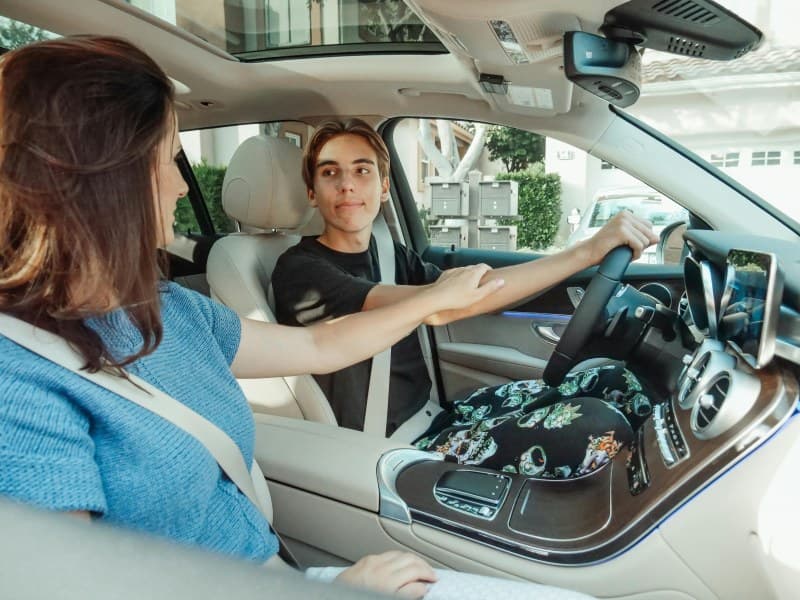
You’re driving your teen to their weekend job, the radio playing a song you don’t recognize but they hummed along to once. You glance over—they’re scrolling through their phone, headphones half-on. You want to ask about their day, but the words stick in your throat. The silence stretches, thick and awkward. Sound familiar? That quiet car ride with your teen is a rite of passage for many parents, but it doesn’t have to stay that way.
Why the Silent Car Ride Happens
Teens are navigating a world of social pressure, school stress, and identity shifts—so silence isn’t always a sign of anger or distance. It might be that they’re replaying a fight with a friend, or just too tired to form sentences. Sometimes, they worry you’ll judge their thoughts, or they don’t think you’ll understand their interests. Let’s break down common triggers and how to respond:
| Common Trigger | Parent Reaction to Avoid | Better, Low-Pressure Response |
|---|---|---|
| Teens are processing their day | “Why are you so quiet?” | “Long day?” (open-ended, no demand) |
| Teens feel judged | “You should have done X differently” | “Want to talk about it later if you’re up for it?” |
| Teens are exhausted | “C’mon, say something!” | “Let’s put on your favorite playlist for a bit.” |
| Teens don’t know how to start | “Tell me about school” | “Heard there’s a new update for your game—excited?” |
4 Ways to Turn Silence Into Connection
Breaking the quiet doesn’t have to be hard. Try these simple strategies:
- Low-stakes questions: Skip generic “How was school?” Instead, ask, “Did anything funny happen in math class today?” or “What’s the dumbest thing someone said at lunch?” These are easier to answer than big, open-ended questions.
- Share your own mess-ups: Teens love knowing their parents aren’t perfect. Say, “I spilled coffee on my laptop this morning—total disaster. Have you ever had a day where everything goes wrong?” It builds rapport.
- Let them take the lead: If they mention a game, show, or hobby, ask follow-ups. For example, if they talk about a new TikTok trend, say, “What’s the funniest video you’ve seen of that?”
- Embrace the silence (sometimes): You don’t have to fill every gap. Just being present (without checking your phone) tells your teen you’re there. They might open up when they’re ready.
“I've learned that people will forget what you said, people will forget what you did, but people will never forget how you made them feel.” — Maya Angelou
This quote rings true for parent-teen relationships. Even if your teen doesn’t talk much, the way you treat them (calm, non-judgmental) will stick. They’ll remember you were there, even in the quiet.
A Small Story That Worked
Take Sarah, a mom of a 15-year-old son. Every morning, she’d drive him to school and try to ask about his day—only to get one-word answers. Then she started asking about his favorite YouTube channel. At first, he rolled his eyes, but eventually, he began explaining the latest video he watched. Now, their car rides are filled with laughter about silly pranks and game reviews. It took a month, but the small effort paid off.
Quick Q&A
Q: What if my teen still doesn’t want to talk, even after trying these tips?
A: Don’t panic. Teens need space, and pushing them can backfire. Keep doing small things—like playing their music or bringing their favorite snack. Over time, they’ll feel more comfortable. If the silence lasts for months and you’re worried, consider asking a trusted family member for advice (but only if your teen is okay with it).
That awkward silent car ride doesn’t have to be a source of stress. With patience and the right approach, it can become a chance to connect. Remember: it’s not about long conversations—it’s about letting your teen know you care.