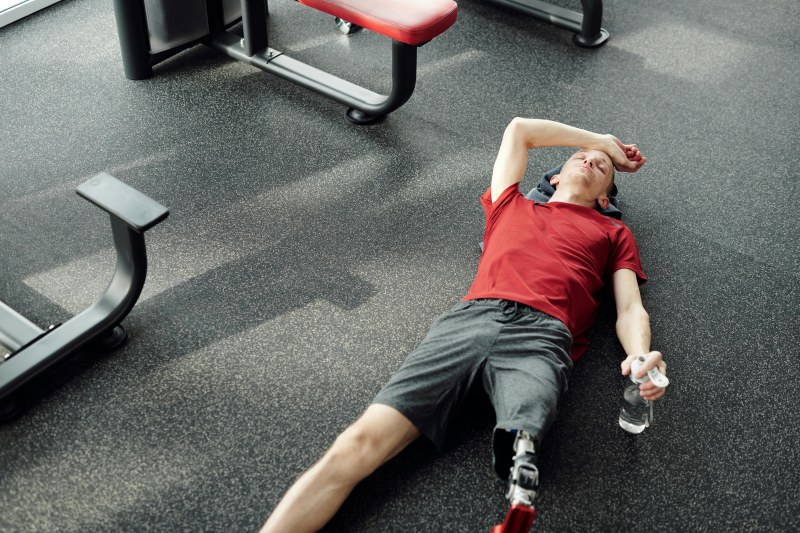
Sarah, a middle school teacher, noticed something off lately: her shoulders felt like they were carrying a backpack full of books even when she wasn’t, and she’d wake up with a dull headache most mornings. She didn’t think she was “stressed”—after all, she loved her job—but her body was sending clear signals. If this sounds familiar, you’re not alone: stress often speaks through our bodies before our minds catch on.
4 Physical Signs Stress Might Be Lurking in Your Body
1. Tight Muscles (Shoulders, Neck, Back) 💆
When you’re stressed, your body triggers the “fight-or-flight” response, tensing muscles to prepare for action. Over time, this constant tension can lead to knots in your shoulders, a stiff neck, or lower back pain. Sarah’s shoulder tightness? It came from hunching over lesson plans and grading papers late into the night.
2. Digestive Upsets (Bloating, Indigestion) 🌿
Your gut and brain are connected via the vagus nerve, so stress can throw your digestion off balance. This might mean bloating after meals, indigestion, or even irritable bowel symptoms. For Sarah, it was a persistent queasy feeling every morning before class.
3. Sleep Disturbances (Insomnia, Restless Nights) 😴
Stress raises cortisol levels, the “awake” hormone. If cortisol stays high at night, it can make it hard to fall asleep or keep you tossing and turning. Sarah found herself lying awake at 2 AM, replaying the day’s lessons in her head.
4. Frequent Colds or Weakened Immunity 🤧
Chronic stress suppresses your immune system, making you more prone to colds, flu, or other minor illnesses. Sarah noticed she was catching every bug that went around her classroom this year.
Here’s a quick breakdown of each sign, what’s happening inside your body, and a gentle fix:
| Physical Sign | What’s Happening in Your Body | Quick Gentle Fix |
|---|---|---|
| Tight Muscles | Fight-or-flight tension buildup | 5-minute shoulder rolls every hour |
| Digestive Upsets | Gut-brain connection disruption | Sip peppermint tea before meals |
| Sleep Disturbances | Elevated cortisol levels at night | 10-minute deep breathing before bed |
| Frequent Colds | Immune system suppression | Drink 8 glasses of water daily + prioritize sleep |
Epictetus once said, “It’s not what happens to you, but how you react to it that matters.” This rings true for stress—our bodies often react before our minds do, so recognizing these physical cues is the first step to responding gently.
Common Myths About Stress and Your Body
Myth 1: Only “big” stressors (like a job loss) cause physical signs
False! Chronic small stressors—like a packed schedule, constant emails, or even daily commutes—add up over time. Sarah’s stress came from the steady stream of tasks, not a single big event.
Myth 2: If I exercise, I don’t have to worry about stress
Exercise helps, but it’s not a cure-all. You still need to address the root of your stress (like setting boundaries) and listen to your body’s signals. Sarah ran 3 times a week but still had tight shoulders because she wasn’t taking breaks during work.
FAQ: Your Stress Body Questions Answered
Q: Can stress cause physical pain even if I don’t feel anxious?
A: Yes! Many people don’t realize they’re stressed until their bodies start hurting. Sarah didn’t feel “anxious” but her tight shoulders and headaches were her body’s way of saying, “Slow down.”
Q: Are these signs always from stress?
A: Not always. If your symptoms persist for more than a few weeks, it’s a good idea to check with a healthcare provider to rule out other issues (like a muscle strain or digestive disorder).
Gentle Coping Tips to Ease Stress on Your Body
You don’t need fancy tools or expensive treatments to help your body recover from stress. Try these simple steps:
- For tight muscles: Add a 5-minute stretching routine to your morning or evening. Focus on your shoulders, neck, and back.
- For digestive upsets: Eat slowly (no screens at meals!) and try adding probiotic-rich foods like yogurt or kimchi to your diet.
- For sleep: Create a pre-bed routine that avoids screens. Try reading a book or listening to soft music instead.
- For immunity: Get 7-8 hours of sleep nightly and limit caffeine after 2 PM.
Remember: Your body is talking—all you need to do is listen. Small, consistent changes can make a big difference in how you feel.