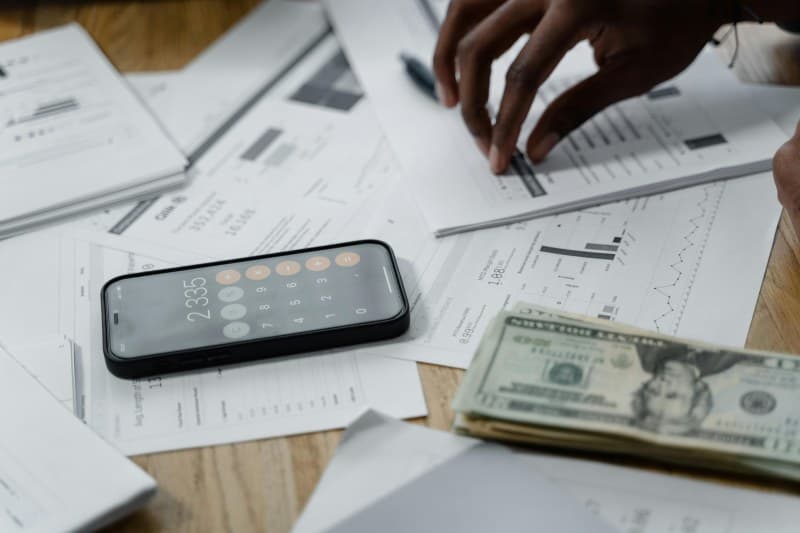
We’ve all been there: you sit down on the first of the month, map out your income and expenses, and vow to stay on track. Then, by week three, you’re staring at your bank account wondering where all the money went—those coffee runs, impulse snack buys, and unexpected Uber rides add up fast. Let’s break down why this happens and how to fix it.
Why Your Budget Keeps Slipping (5 Common Culprits)
Budgeting isn’t just about math—it’s about habits and mindset. Here are the top reasons people struggle:
- Unrealistic goals: Setting a $100 monthly food budget when you eat out twice a week is setting yourself up for failure.
- Ignoring small expenses: A $5 latte every day adds up to $150 a month—easy to overlook but hard to recover from.
- Lack of flexibility: Life happens—car repairs, medical co-pays, or a friend’s birthday dinner. A rigid budget can’t handle surprises.
- Emotional spending: Stress, boredom, or happiness can lead to impulse buys that derail your plans.
- No emergency buffer: Without a small safety net, unexpected costs force you to dip into other budget categories.
5 Fixes to Get Back on Track (Comparison Table)
Not all fixes are created equal. Here’s how to choose the right one for your lifestyle:
| Fix | Effort Level | Impact | Notes |
|---|---|---|---|
| Envelope System | Medium | Sustained | Cash-only for variable expenses (food, entertainment) to avoid overspending. |
| Auto-Tracking App | Low | Quick | Links to bank accounts to automatically categorize expenses (try Mint or YNAB). |
| 1% Rule | Low | Long-term | Save 1% of every paycheck—small enough to stick to, grows over time. |
| Weekly Check-Ins | Medium | Consistent | Spend 10 minutes each Sunday reviewing expenses and adjusting next week’s budget. |
| Emergency Buffer (Small) | High (initial) | Protective | Save $500-$1000 first—covers unexpected costs without breaking your budget. |
A Classic Wisdom to Remember
“Beware of little expenses; a small leak will sink a great ship.” — Benjamin Franklin
Franklin’s words ring true today. Those $3 snack runs or $10 streaming subscriptions might seem trivial, but they can drain your budget faster than a big purchase. Tracking these small costs is key to staying on course.
Relatable Story: Sarah’s Budget Turnaround
Sarah, a 28-year-old teacher, struggled with her budget for years. She’d set a $500 monthly grocery budget but always ended up spending $700. The problem? She didn’t track her impulse buys—like the $4 granola bar from the gas station or the $6 salad for lunch. After switching to the envelope system (she put $500 cash in a “grocery” envelope each month), she stopped overspending. By the end of the first month, she had $50 left to put into her emergency fund.
FAQ: Can I Adjust My Budget Mid-Month?
Q: I had an unexpected car repair—can I shift money from my entertainment budget to cover it?
A: Absolutely! Flexibility is key to sticking to a budget. If a surprise expense comes up, reallocate funds from non-essential categories (like dining out or streaming) instead of abandoning your budget entirely. Just make sure to adjust next month’s plan to avoid repeating the issue.
Final Thoughts
Sticking to a budget isn’t about being perfect—it’s about being consistent. Start small (try the 1% rule or weekly check-ins) and adjust as you go. Remember, every little step counts toward financial peace of mind.