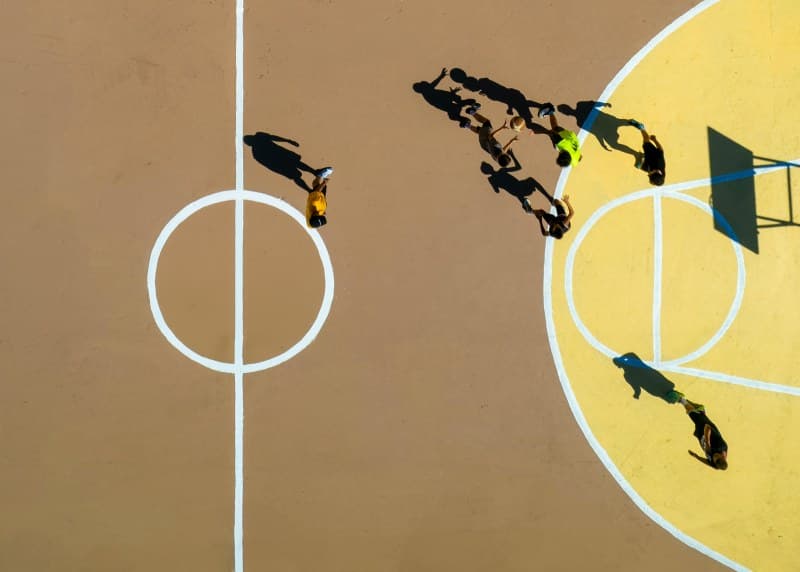
Imagine a high school basketball team with two star players—fast, sharp shooters—but they’re losing every other game. The Westside High Bulldogs would argue with each other on the court, ignore passes, and blame one another for mistakes. Then their coach sat them down and asked: “Are you playing for yourselves, or for the team?” That question shifted everything. They started holding pre-game check-ins, assigned clear roles, and learned to trust each other. By the end of the season, they made it to the regional finals. The difference? Their team dynamics.
The 4 Core Elements of Team Dynamics
Team dynamics aren’t just about “getting along”—they’re the invisible force that turns individual skill into a cohesive unit. Let’s break down the four key elements that make or break a team.
1. Open, Intentional Communication ⭐
Communication in sports isn’t just yelling plays. It’s listening to your teammate when they say they’re tired, or calling out a defender before they sneak up. For the Bulldogs, this meant ditching the blame game. Instead of shouting “Why didn’t you pass?”, they started saying “I was open on the left—next time, I’ll signal earlier.” This small shift made their offense flow smoother.
2. Trust That Goes Beyond the Field 🤝
Trust is knowing your teammate will do their job, even when you can’t see them. The Bulldogs’ point guard used to force shots because he didn’t trust his center to make a layup. One practice, the coach made him pass to her 10 times in a row—she made 9. After that, he started looking for her first. Trust isn’t built overnight; it’s built through consistent, small acts.
3. Defined Roles (No One Tries to Be Everything) 🎯
Every player has a strength. The Bulldogs’ star forward loved scoring, but he was also great at rebounding. The coach told him to focus on rebounds, freeing up the shooting guard to take more shots. Suddenly, their offense had two threats instead of one. Defined roles mean no one is overstepping, and everyone knows their contribution matters.
4. Adaptability When Things Go Wrong 🌀
Games don’t always go as planned. When the Bulldogs’ top scorer got injured, they had to adjust their offense. They practiced a new play where the shooting guard took the lead, and the forward picked up more scoring. A week later, they won their first game without their star. Adaptability means being flexible enough to change plans mid-game or mid-season.
To see how these elements play out, let’s compare winning and losing teams:
| Element | Winning Team Trait | Losing Team Trait |
|---|---|---|
| Communication | Listens as much as talks; uses clear signals | Shouts blame; ignores feedback |
| Trust | Relies on teammates to execute their roles | Hoards the ball; doubts others |
| Roles | Everyone knows their job and sticks to it | Players try to do everything; no clear focus |
| Adaptability | Adjusts strategies when plans fail | Panics or sticks to a failing plan |
“Talent wins games, but teamwork and intelligence win championships.” — Michael Jordan
Jordan’s Chicago Bulls were full of talent, but their success came from more than just his skills. They communicated seamlessly, trusted each other to cover gaps, and adapted to opponents’ strategies. That’s why they won six championships.
Common Question: Can Star Players Win Without Good Dynamics?
Q: I’ve seen teams with all-star players lose. Why is that?
A: Even the most talented players struggle if they don’t work together. Take the 2004 U.S. Olympic basketball team—they had stars like LeBron James and Kobe Bryant, but they lost to Argentina. Analysts blamed poor team chemistry: players didn’t communicate well, and there was no clear role for each person. Talent alone isn’t enough; you need dynamics to turn it into a win.
Team dynamics aren’t just for pro teams. Whether you’re playing weekend soccer or high school volleyball, these four elements can make your team better. It’s about working with each other, not against each other. As the Bulldogs learned, the best teams aren’t just collections of great players—they’re families on the field.