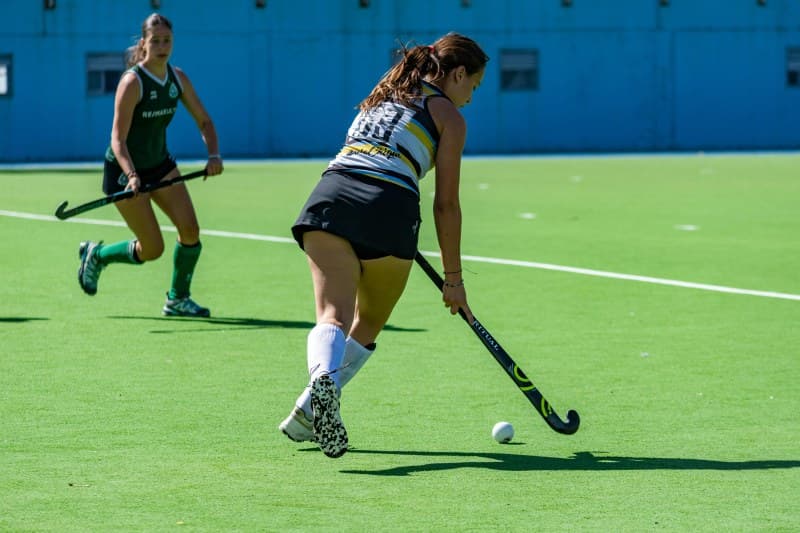
If you’ve ever watched your kid sprint onto the soccer field only to slow down halfway through the game, you’ve probably wondered: Am I feeding them right? Sports nutrition for young athletes isn’t just about eating more—it’s about eating smart. But with so much conflicting advice online, it’s easy to get stuck on myths instead of facts.
What Is Sports Nutrition for Young Athletes?
Sports nutrition for kids and teens focuses on balancing growth and performance. Unlike adult athletes, young ones are still developing, so their bodies need a mix of carbs (for energy), protein (for muscle repair), fats (for brain health), and hydration. It’s not about strict diets—it’s about making sure they have the fuel to play their best and grow strong.
7 Common Myths (and the Truth)
Let’s bust some of the most persistent myths about feeding young athletes:
| Myth | Fact |
|---|---|
| Young athletes need as much protein as adults. | They need protein, but in proportion to their body weight—about 1.2-1.4g per kg daily (vs. 1.6-2.2g for adult athletes). |
| Sugary snacks are bad before games. | A small amount of quick-digesting sugar (like a banana or a handful of grapes) can give a quick energy boost without crashing. |
| Sports drinks are better than water for all practices. | Water is enough for most practices under an hour. Sports drinks are only needed for intense activity over 60 minutes. |
| Carbs make you slow. | Carbs are the body’s main energy source for sports. Without enough, kids will tire quickly. |
| You have to eat immediately after every practice. | Eating within 30-60 minutes post-practice helps repair muscles, but it’s not a hard rule—just make sure they get a balanced meal soon after. |
| Young athletes don’t need to worry about hydration until they’re thirsty. | Thirst is a sign of dehydration. Encourage them to drink water before, during, and after activity. |
| Protein shakes are essential for muscle growth. | Most kids get enough protein from whole foods (chicken, eggs, Greek yogurt). Shakes are rarely necessary. |
Practical Fueling Tips
Here are simple, actionable tips to help your young athlete fuel right:
- Pre-game: Eat a light, carb-rich snack 1-2 hours before (e.g., apple with almond butter, oatmeal with berries).
- During activity: For practices over an hour, offer a small snack (like a granola bar) and water or sports drink.
- Post-game: Combine protein and carbs (e.g., chocolate milk + a banana, or turkey sandwich + veggies) to repair muscles and replenish energy.
- Hydrate: Keep a water bottle handy at all times—remind them to sip every 15-20 minutes during practice.
Real-Life Win: Mia’s Energy Boost
Mia, a 14-year-old soccer forward, was always tired in the second half of games. Her mom used to pack her a sugary granola bar before games, but Mia would crash mid-game. After talking to a coach, they switched to a banana with a spoonful of peanut butter. Within a week, Mia noticed she had more energy to sprint down the field and score goals in the final minutes. “I used to feel like my legs were made of lead,” she said. “Now I can keep going until the whistle blows.”
FAQ: Do Young Athletes Need Protein Shakes?
Q: My kid’s coach says they should take protein shakes to build muscle. Is that necessary?
A: Most young athletes get enough protein from whole foods like chicken, eggs, Greek yogurt, or beans. Protein shakes are only recommended if your child is a fussy eater who struggles to meet their protein needs, or if a doctor or registered dietitian suggests it. Focus on real food first—it’s more nutrient-dense and easier for their bodies to digest.
Final Thought
“The food you eat can be either the safest and most powerful form of medicine or the slowest form of poison.” — Ann Wigmore
For young athletes, this quote rings true. The right foods fuel their performance and help them grow. The wrong ones can leave them tired or even hurt their development. By busting myths and focusing on simple, healthy choices, you can help your kid love their sport and feel their best.