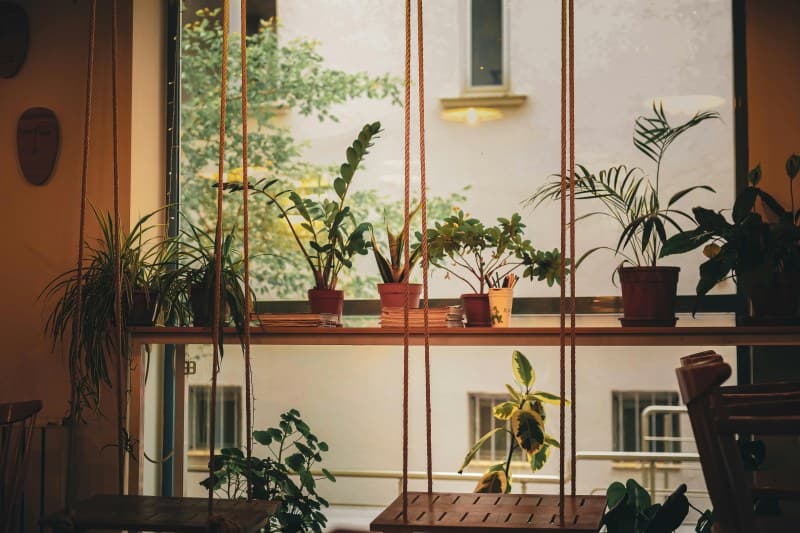
Last winter, my friend Lila bought a basil plant from the grocery store, placed it on her windowsill (which got maybe an hour of direct sun a day), and watered it every other day. A week later, the leaves turned yellow and wilted. She sighed, ‘I guess I can’t grow herbs indoors—they need too much sun.’ But is that really true? Let’s dig in.
The Truth About Sunlight for Indoor Herbs
Many people think all herbs need full, direct sunlight to thrive, but that’s a myth. While some herbs (like basil) love bright sun, others (like mint or chives) do perfectly well in indirect or even low light. The key is matching the herb to your space’s light conditions.
Here’s a quick guide to light needs for three popular indoor herbs:
| Herb | Ideal Light | Best Indoor Placement |
|---|---|---|
| Basil | Full sun (6+ hours/day) | South-facing windowsill |
| Mint | Partial shade (3-4 hours/day) | East-facing windowsill or near a window with sheer curtains |
| Chives | Indirect light (2-3 hours/day) | North-facing windowsill or a corner with bright, filtered light |
Alfred Austin once said, “The glory of gardening: hands in the dirt, head in the sun, heart with nature. To nurture a garden is to feed not just the body, but the soul.” Even if you don’t have a backyard, indoor herb gardening lets you connect with nature and enjoy fresh flavors—you just need to know the facts.
7 Common Indoor Herb Myths Debunked
1. Myth: All herbs need full sun
Truth: As we saw, mint and chives thrive in less light. Even parsley can grow in partial shade. Don’t write off herbs if you don’t have a sun-drenched window.
2. Myth: You have to water herbs every day
Truth: Overwatering is the #1 killer of indoor herbs. Most herbs prefer soil that’s slightly dry between waterings. Stick your finger 1 inch into the soil—if it’s dry, water; if not, wait.
3. Myth: Grocery store herbs can’t be transplanted
Truth: Grocery store herbs are often root-bound, so transplanting them into a larger pot with fresh soil gives them room to grow. Lila later transplanted her wilted basil into a bigger pot with well-draining soil and moved it to a south-facing window—it bounced back in a week!
4. Myth: Indoor herbs don’t need fertilizer
Truth: Indoor herbs don’t get nutrients from the outdoors, so they need occasional feeding. Use a balanced liquid fertilizer once a month during the growing season (spring to fall).
5. Myth: Herbs can’t grow in small pots
Truth: Compact herbs like thyme or oregano do well in small pots (6-8 inches). Just make sure the pot has drainage holes to prevent root rot.
6. Myth: You have to harvest herbs sparingly
Truth: Regular harvesting actually encourages growth! For most herbs, snip the top 1/3 of the plant to promote bushier growth. Just don’t take more than 50% at once.
7. Myth: Indoor herbs attract pests
Truth: Pests like aphids or spider mites are more likely if your herbs are overwatered or have poor air circulation. Keep plants spaced out, and wipe leaves with a damp cloth occasionally to keep pests away.
FAQ: Your Indoor Herb Questions Answered
Q: Can I grow herbs indoors without a windowsill?
A: Yes! Use LED grow lights placed 6-12 inches above the plants for 12-14 hours a day. This works great for apartments with no natural light.
Q: How long do indoor herbs last?
A: Most annual herbs (like basil) last 6-8 months indoors. Perennials (like mint or chives) can last for years with proper care.
Practical Tips for Thriving Indoor Herbs
To sum it up: Choose herbs that fit your light conditions, use well-draining soil, water only when needed, harvest regularly, and feed occasionally. With these steps, you can enjoy fresh herbs year-round—no backyard required!