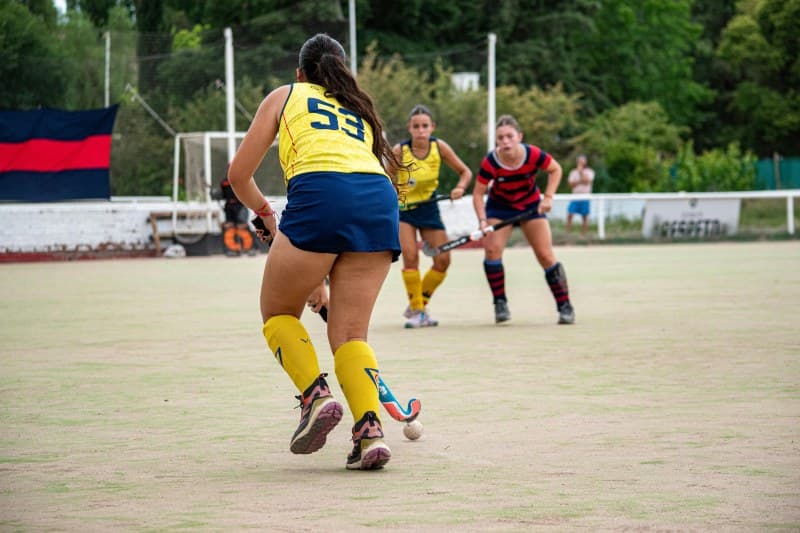
Last weekend, my friend Jake joined a pickup basketball game without eating anything since breakfast (four hours prior). By the second quarter, he was huffing, missing easy shots, and had to sit out. He blamed being out of shape, but the real issue was he didn’t fuel his body right. For casual athletes, nutrition isn’t just for pros—it’s the secret to enjoying your game and performing your best.
The Two Key Meal Types for Casual Athletes
When it comes to fueling your casual sports sessions, two meal types stand out: pre-workout and post-workout. Each serves a unique purpose to keep you going and help you recover.
Pre-Workout Meals: Fuel to Perform
Think of pre-workout meals as your body’s gas tank. They give you the energy to power through your game or workout. The best pre-workout meals are eaten 1–2 hours before activity and combine carbs (your body’s main energy source) with a small amount of protein to keep you full.
Examples: Oatmeal with a spoonful of peanut butter, a banana paired with Greek yogurt, or a slice of whole-grain toast with avocado.
Post-Workout Meals: Repair & Recover
After you finish playing, your muscles need to repair and replenish. Post-workout meals should be eaten within 30 minutes to 2 hours and focus on protein (to fix muscle damage) and carbs (to restore energy stores).
Examples: Grilled chicken salad with quinoa, chocolate milk (yes, it’s a great post-workout drink!), or a protein shake with a banana.
Here’s a quick comparison of the two meal types:
| Meal Type | Timing | Key Nutrients | Top Examples | Primary Goal |
|---|---|---|---|---|
| Pre-Workout | 1–2 hours before activity | Carbs + small protein | Oatmeal + peanut butter, banana + Greek yogurt | Provide energy for performance |
| Post-Workout | 30 mins–2 hours after activity | Protein + carbs | Chicken + quinoa, chocolate milk | Repair muscles & restore energy |
Common Myths Debunked
Myth 1: You need sports drinks for every workout
Many casual athletes grab a sports drink before a short game, but they’re only necessary for sessions longer than 60 minutes with high intensity. For a 30-minute pickup soccer game, water is more than enough. Sports drinks are loaded with sugar—save them for when you really need the extra electrolytes.
Myth 2: Carbs are bad for athletes
Carbs get a bad rap, but they’re your body’s favorite fuel for exercise. Cutting carbs can leave you feeling tired and sluggish mid-game. Opt for complex carbs (whole grains, fruits, veggies) to keep your energy steady.
“The food you eat can either be the safest and most powerful form of medicine or the slowest form of poison.” — Ann Wigmore
This quote rings true for casual athletes too. Choosing the right fuel doesn’t just help you play better—it keeps you feeling good long after the game ends.
Quick Tips for Casual Athletes
- 💧 Hydrate throughout the day, not just during workouts. Dehydration can make you feel tired and affect your performance.
- 🍌 Keep snacks handy (like granola bars, fruit, or nuts) for impromptu games or workouts.
- ⏰ Don’t skip meals. Even a light pre-workout snack can make a big difference in how you feel during your activity.
FAQ: Your Common Nutrition Questions Answered
Q: Do I need to eat before a short casual workout, like a 20-minute jog?
A: For workouts under 30 minutes, you probably don’t need a full meal. But if you’re feeling low on energy (e.g., if you haven’t eaten in 3+ hours), a small snack (like a handful of almonds or a piece of fruit) can help you stay consistent and avoid feeling drained.
At the end of the day, sports nutrition for casual athletes is about simplicity. You don’t need fancy supplements or strict diets—just eat well, hydrate, and listen to your body. Your next game will thank you!