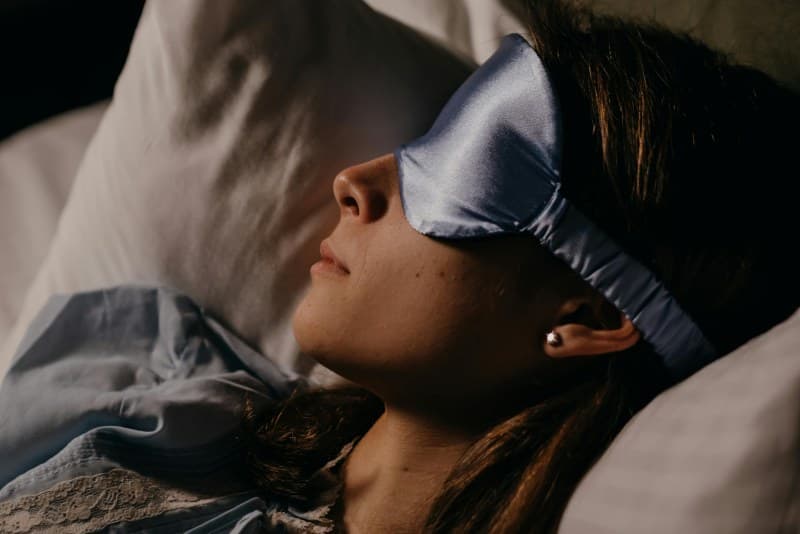
Let’s be honest—we’ve all been there. You climb into bed after a long day, reach for your phone to “wind down” with a quick scroll, and suddenly it’s 11:30 PM and your mind is racing. Sarah, a 32-year-old graphic designer, knows this struggle too. For months, she’d stay up until midnight scrolling social media, then lie awake for an hour before falling asleep. She felt groggy every morning, until she made a small change: swapping her phone for a physical book 30 minutes before bed. Within a week, she was dozing off in 20 minutes flat.
5 Common Sleep Habits That Sabotage Your Rest
1. Scrolling Screens Before Bed 🔍
The blue light from phones, TVs, and laptops suppresses melatonin—the hormone that regulates sleep. Even 10 minutes of screen time can delay your body’s natural sleep cycle. Sarah’s story is a perfect example: cutting out screen time before bed helped her fall asleep faster.
Fix: Use a blue light filter if you must use a device, or switch to a book, podcast, or gentle stretching.
2. Irregular Sleep Schedules 📅
Going to bed at 10 PM during the week and 1 AM on weekends throws your circadian rhythm off balance. This “social jetlag” makes it hard to wake up on Monday mornings and fall asleep on Sunday nights.
Fix: Try to keep your bedtime and wake-up time within 30 minutes of each other every day—even on weekends.
3. Eating Heavy Meals Late 🍝
A big dinner or spicy snack right before bed can cause indigestion and disrupt your sleep. Your body needs time to digest food, so eating heavy meals close to bedtime forces your digestive system to work when it should be resting.
Fix: Stick to light snacks (like a banana or a handful of nuts) if you’re hungry 2-3 hours before bed.
4. Overusing Caffeine After Noon ☕
Caffeine has a half-life of 6-8 hours, meaning if you drink a coffee at 3 PM, half of it is still in your system at 9 PM. This can make it hard to fall asleep and reduce the quality of your rest.
Fix: Cut off caffeine by 2 PM. If you need a pick-me-up, try herbal tea or a short walk.
5. Ignoring Your Bedroom Environment 🌙
A room that’s too bright, hot, or noisy can prevent deep sleep. Even small lights (like from a phone charger) can disrupt your melatonin production.
Fix: Keep your bedroom dark (use blackout curtains), cool (between 60-67°F/15-19°C), and quiet (use earplugs or a white noise machine if needed).
Here’s a quick comparison of the bad habits and their fixes:
| Bad Habit | Science-Backed Fix | Effort Level | Impact |
|---|---|---|---|
| Scrolling screens before bed | Swap for a book or use blue light filter | Low | Immediate |
| Irregular sleep schedule | Consistent bedtime/wake-up time | Medium | Short-Term |
| Eating heavy meals late | Light snack 2-3 hours before bed | Low | Immediate |
| Caffeine after noon | Cut off caffeine by 2 PM | Medium | Short-Term |
| Unoptimized bedroom environment | Dark, cool, quiet room | Low-Medium | Long-Term |
“Early to bed and early to rise, makes a man healthy, wealthy, and wise.” — Benjamin Franklin
Franklin’s famous saying isn’t just old wisdom—it aligns with modern science. A consistent sleep schedule (going to bed and waking up early) helps regulate your circadian rhythm, leading to better health and productivity. It’s not about being perfect, but about building small, sustainable habits.
Common Sleep Question Answered
Q: Can I make up for lost sleep on weekends?
A: Unfortunately, no. “Sleep debt” can’t be fully repaid by sleeping in on weekends. This practice disrupts your circadian rhythm, making it harder to fall asleep on Sunday nights and wake up on Mondays. Instead, try to get 7-9 hours of sleep every night to avoid building up debt.
Improving your sleep doesn’t have to be complicated. Small changes to your habits—like swapping screen time for a book or keeping a consistent schedule—can make a big difference. Remember, sleep is an investment in your health, so take the time to prioritize it.