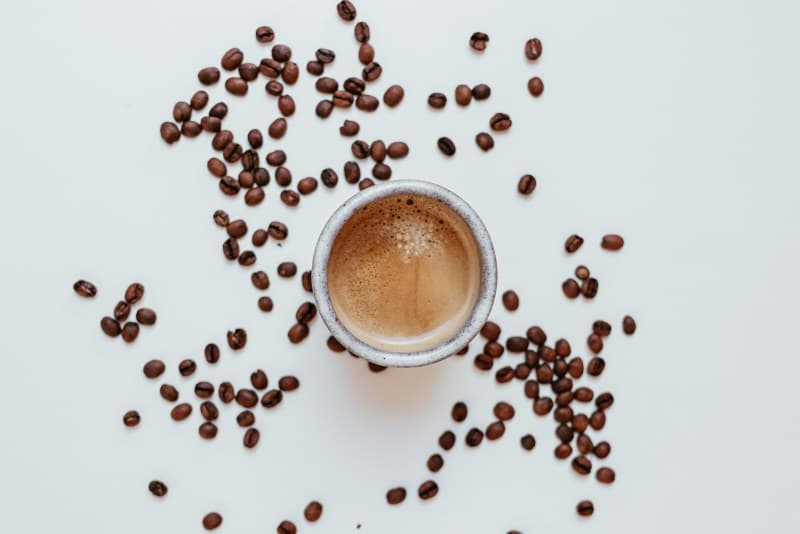
Last month, my neighbor Lisa decided to go all-in on DIY plant care. She started dumping her daily coffee grounds into every pot—snake plant, pothos, succulents, even her fern. A week later, her succulents turned yellow and mushy, and her fern’s leaves started browning. She was confused: ‘I thought coffee grounds were the magic fix for all plants!’ Sound familiar? Let’s break down the truth about coffee grounds and debunk two common myths that might be harming your green friends.
The Truth About Coffee Grounds for Houseplants
Coffee grounds are rich in nitrogen, a nutrient that helps leafy plants grow lush and green. But they’re not a one-size-fits-all solution. Raw coffee grounds can compact soil, retain too much moisture, or attract pests like fruit flies. Composted grounds, however, are a great addition to potting mix for plants that love nitrogen—think ferns, pothos, or spider plants. For plants that prefer alkaline soil (succulents, cacti), coffee grounds are a no-go.
Here’s a quick comparison of DIY fertilizers for common houseplant types:
| Plant Type | Coffee Grounds (Composted) | Best DIY Fertilizer | Notes |
|---|---|---|---|
| Leafy Greens (Fern, Pothos) | Yes | Composted coffee grounds + banana peels | Boosts leaf growth and moisture retention |
| Succulents/Cacti | No | Eggshell powder | Adds calcium without increasing moisture |
| Flowering Plants (Orchid, African Violet) | Sometimes (in small amounts) | Diluted tea leaves | Provides mild nutrients without burning roots |
Two Common Plant Care Myths Debunked
Myth 1: Coffee grounds make soil acidic for all plants
Many people think coffee grounds are a quick way to acidify soil for plants like azaleas or blueberries. But the truth is, composted coffee grounds have a neutral pH (around 6.5-7). Raw grounds might be slightly acidic, but not enough to make a significant difference for acid-loving plants. If you want to lower soil pH, use peat moss or sulfur instead.
Myth 2: More fertilizer = faster growth
Lisa made this mistake—she added coffee grounds every day, thinking more was better. Over-fertilizing leads to “fertilizer burn”: roots get damaged, leaves turn yellow or brown, and growth stunts. Most houseplants only need fertilizing once every 2-4 weeks during their growing season (spring and summer).
“Moderation in all things, including moderation.” — Oscar Wilde
This quote rings true for plant care. Even the best fertilizer, used in excess, can harm your plants. Balance is key.
Quick Q&A
Q: Can I use raw coffee grounds directly on my plant soil?
A: It’s not recommended. Raw grounds can compact soil, retain too much moisture, or attract fruit flies. Compost them first, or mix a small amount (10% of the potting mix) with soil for leafy plants.
Q: How often should I use composted coffee grounds on my plants?
A: Once every 4-6 weeks during the growing season. Too much nitrogen can lead to leggy growth (tall, weak stems).
Practical Tips for DIY Plant Fertilizing
- Always compost coffee grounds before using them—this breaks down the grounds and makes nutrients easier for plants to absorb.
- Test your soil pH if you’re unsure what your plants need (you can buy a cheap pH test kit at most garden centers).
- For succulents, skip coffee grounds entirely—opt for eggshell powder or a specialized succulent fertilizer.
By ditching these myths and using coffee grounds wisely, you can help your houseplants thrive. Remember: every plant is different, so take the time to learn what yours needs!