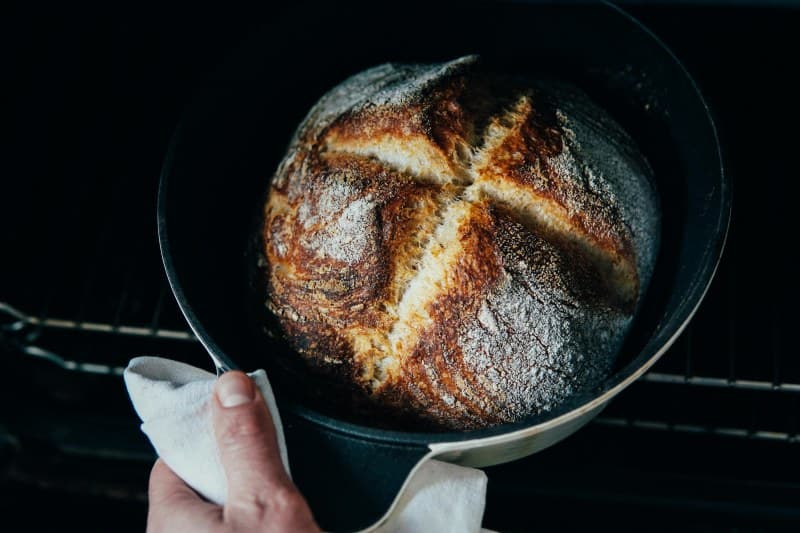
I still remember the day I found my first sourdough starter looking like a sad, gray blob in the back of the fridge. I’d forgotten to feed it for three days, and panic set in—did I kill my little yeast colony? Turns out, with a few simple feeds, it bounced back better than ever. Sourdough starter is equal parts science and magic, but it’s not as intimidating as it seems. Let’s break down how it works, debunk some myths, and get you on your way to fluffy, tangy bread.
What Is a Sourdough Starter, Anyway?
A sourdough starter is a living culture of wild yeast and lactic acid bacteria, fed with flour and water. It’s what gives sourdough bread its distinct tangy flavor and chewy texture—no store-bought yeast needed. Think of it as a low-maintenance pet: it needs regular feeding to stay alive and active.
How Sourdough Starter Works
The magic happens when wild yeast (from the air or flour) and bacteria eat the sugars in flour. The yeast produces carbon dioxide gas, which makes bread rise. The bacteria produce lactic acid, which gives sourdough its signature tang. Over time, the culture becomes stable, meaning it’s ready to leaven bread.
2 Common Sourdough Starter Myths Debunked
Myth 1: You Need a “Special” Starter from a Friend
Many people think you have to get a starter from someone else to make good sourdough. But the truth is, you can make your own from scratch using just flour, water, and time. Wild yeast is everywhere—on your counter, in your flour, even in the air. All you need is patience to let the culture develop.
Myth 2: A Starter Must Be Fed Every Single Day
While daily feeding keeps your starter active for immediate use, you don’t have to feed it every day. Refrigeration slows down the culture, so you can feed it once a week if you’re not baking regularly. Let’s compare the two approaches:
| Feeding Schedule | Best For | Pros | Cons |
|---|---|---|---|
| Daily (room temp) | People who bake 2-3x/week | Always ready to use; strong rise | Requires consistent effort; uses more flour/water |
| Weekly (refrigerated) | Occasional bakers (1x/week or less) | Low maintenance; saves ingredients | Needs 12-24 hours to wake up before use |
Practical Care Tips to Keep Your Starter Healthy
- Use unbleached flour: Bleached flour kills the wild yeast and bacteria.
- Keep it in a glass jar: Plastic can retain odors that affect the culture.
- Don’t overfeed: Follow a 1:1:1 ratio (1 part starter, 1 part flour, 1 part water) for most feeds.
Flavor Hacks to Boost Your Sourdough
Want to add extra depth to your bread? Try these:
- Add a tablespoon of rye flour to your feed: Rye has more nutrients for the yeast, leading to a tangier flavor.
- Let the starter ferment longer at room temp: More time = more lactic acid = more tang.
“The only real stumbling block is fear of failure. In cooking, you’ve got to have a what-the-hell attitude.” — Julia Child
This quote perfectly sums up sourdough. Don’t be afraid if your starter looks weird or your first loaf is dense. Every mistake is a chance to learn and improve.
Quick Q&A: Common Starter Questions
Q: My starter smells like vinegar—should I throw it away?
A: Not necessarily! A vinegar smell means the culture is producing more acetic acid (the tangy part). Try feeding it twice a day for a couple of days, and it should balance out. If it’s moldy (green, black, or pink spots), then it’s time to start over.
Sourdough starter is a journey, not a destination. Whether you’re a beginner or a pro, there’s always something new to learn. With a little care and patience, you’ll be baking delicious sourdough bread that’s uniquely yours. Happy baking! 🍞