Last month, my cousin Lila—new to styling her hair—bought a 450°F flat iron because she heard “higher heat = faster, better results.” She skipped heat protectant (thinking low heat wasn’t necessary for her fine hair) and used it daily. Within a week, her ends were split and brittle. Lila fell for one of the most common myths about hair tools, and she’s not alone. Let’s break down 6 myths that trip up beginners and help you choose the right tool for your hair.
6 Common Myths About Hair Styling Tools
Myth 1: Higher heat is always better.
Debunked: High heat can damage hair cuticles, leading to breakage. For fine or colored hair, 300-350°F is enough. Thick, coarse hair may need 350-400°F, but never max out your tool’s heat unless absolutely necessary.
Myth 2: You don’t need heat protectant if you use a low setting.
Debunked: Even low heat (250°F+) can strip hair of moisture. Heat protectant creates a barrier to lock in hydration and prevent damage—always use it, no matter the setting.
Myth 3: All flat irons work the same for all hair types.
Debunked: Flat irons with ceramic plates are gentle for fine hair, while titanium plates heat faster and are better for thick hair. Wide plates (1.5 inches+) are ideal for long hair, narrow plates for short hair or bangs.
Myth 4: Curling wands are only for curly hair.
Debunked: Wands create loose waves, tight curls, or beachy texture—perfect for straight hair looking to add volume. Adjust the barrel size: smaller barrels (1 inch) for tight curls, larger (1.5 inches+) for waves.
Myth 5: Hot rollers damage hair more than straighteners.
Debunked: Hot rollers use lower heat (200-300°F) and distribute heat evenly, so they’re less damaging than high-heat straighteners. They’re great for adding volume without harshness.
Myth 6: You can skip cleaning your tools.
Debunked: Product buildup on plates or barrels can transfer to hair, causing dullness or even burning. Wipe tools with a damp cloth (when cool) every 2-3 uses.
Choose the Right Tool: A Quick Comparison
Not sure which tool to pick? Here’s a breakdown of popular options:
| Tool Type | Best For | Heat Range | Pros | Cons |
|---|---|---|---|---|
| Flat Iron | Straightening, sleek looks | 250-450°F | Versatile (can curl too), quick results | Risk of damage if used incorrectly |
| Curling Wand | Loose waves, tight curls | 250-400°F | No clamp (less pulling), natural-looking curls | Takes practice to master |
| Hot Rollers | Volume, soft curls | 200-300°F | Low damage, hands-free styling | Longer wait time (needs to cool) |
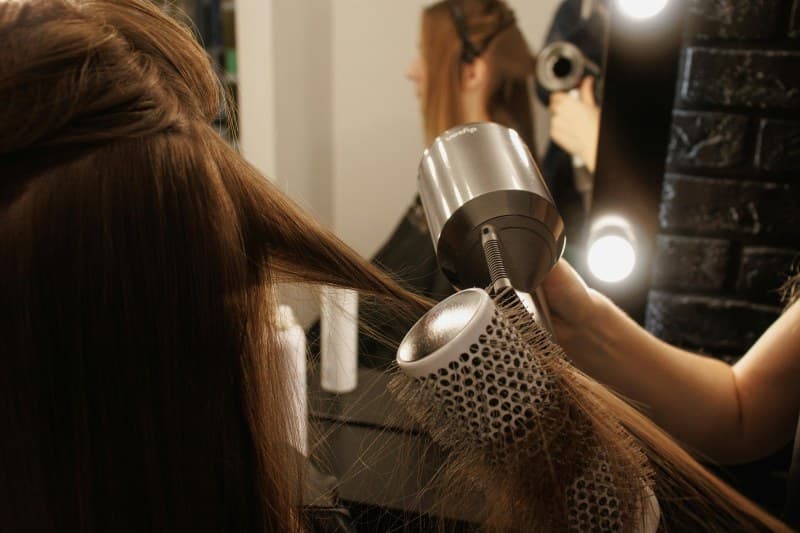
| Round Brush + Blow Dryer | Volume, smoothness | Depends on dryer (180-220°F) | Adds volume without heat tools, gentle | Requires skill to use evenly |
Pro Tips for Safe Styling
💡 Always start with clean, dry hair—wet hair can fry when exposed to heat.
💡 Use a heat protectant spray or serum before styling.
💡 Don’t hold the tool on one section for more than 5 seconds.
💡 Let styled hair cool completely before brushing to set the look.
“Take care of your body; it’s the only place you have to live.” — Jim Rohn
This quote applies to your hair too. Your hair is part of your body, and treating it with care (like avoiding unnecessary heat damage) helps it stay healthy and strong.
FAQ: Your Burning Questions Answered
Q: How often should I replace my hair styling tools?
A: Most tools last 2-3 years if cared for properly. Signs to replace: inconsistent heat (some sections get hotter than others), frayed cords, or if the tool starts pulling or snagging your hair.
By debunking these myths and choosing the right tool, you can style your hair safely and get the look you want without damaging it. Remember—practice makes perfect, and taking care of your hair first will always pay off.