Ever returned from a trip feeling like you checked off landmarks but missed the heart of the place? You’re not alone. Rush tours and packed itineraries often leave us with blurry photos and little memory of the people or stories behind the sights. Slow travel is the antidote: it’s about slowing down to engage deeply, not just cover ground.
What Is Slow Travel, Anyway?
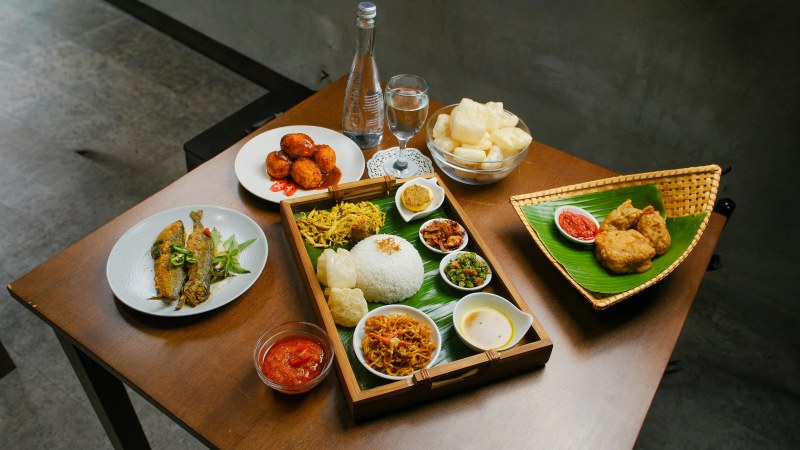
Slow travel isn’t just about spending more time in a destination—it’s about intentionality. It means skipping the bus tours to walk through neighborhood streets, eating at family-run cafes instead of chain restaurants, and taking the time to chat with locals (even if your language skills are rusty). The goal? To leave with a sense of connection, not just a list of places visited.
7 Slow Travel Practices to Try
Here are 7 actionable practices to make your next trip more meaningful. We’ve broken them down to help you pick what fits your style:
| Practice | Effort Level | Key Impact | Quick Tip |
|---|---|---|---|
| Stay 3+ days in one spot | Medium | Builds familiarity with local rhythm | Book a homestay instead of a hotel for deeper connections |
| Eat at family-run spots (no tourist menus) | Low | Tastes authentic flavors & supports local businesses | Look for places with few English signs or locals dining there |
| Learn 5 local phrases daily | Low | Breaks ice with locals & shows respect | Focus on greetings, “thank you,” and “where is the bathroom?” |
| Join a community activity | Medium | Gains insight into local culture | Try a cooking class, market tour, or neighborhood’s morning walk |
| Walk/bike instead of taxis | Medium | Notices small details (street art, neighborhood cafes) | |
| Visit non-landmark spotstd>Low | Sees daily life (p,, parks, local cafes) | td>Ask a local: “Where dotd>Where do you go to relax?” | |
| Document with stories, not just photos | Low | Preserves meaningful memories | Write a short note about a conversation or a meal each day |
The Classic Wisdom Behind Slow Travel
“We travel, initially, to lose ourselves; and we travel, next, to find ourselves.” — Pico Iyer
This quote captures the essence of slow travel. When we rush, we’re just checking boxes. When we, we let the destination shape us—whether it’s learning to make pasta from an Italian nonna or laughing with a street vendor in Marrakech. These moments are the ones that stick with us long after the trip ends.
A Story: From Rush to Slow
My friend Lila used to plan trips like a military operation: 10 cities in 2 weeks, each day packed with landmarks. On her first slow trip to Lisbon, she stayed 5 days. She skipped the crowded Belem Tower and instead spent a morning at a neighborhood market, where a vendor taught her to pick the best oranges. She took a cooking class with a local woman who shared stories about her childhood in the Algarve. By the end, she didn’t just see Lisbon—she felt like she knew it. “I used to come home exhausted,” she said. “This time, I came home inspired.”
FAQ: Can I Practice Slow Travel With a Short Trip?
Q: I only have a weekend—can I still do slow travel?
A: Absolutely! You don’t need weeks to slow down. Pick 1-2 practices: skip the tourist traps, eat at a local spot, and walk instead of driving. For example, a weekend in Paris could mean skipping the Eiffel Tower line and spending the day at a Montmartre café, watching artists paint, and trying a croissant from a neighborhood boulangerie. Small changes make a big difference.
Final Thoughts
Slow travel isn’t about being perfect—it’s about being present. Next time you plan a trip, try one of these practices. You might be surprised at how much more you get out of it. After all, the best parts of travel aren’t the landmarks—they’re the moments you didn’t plan for.