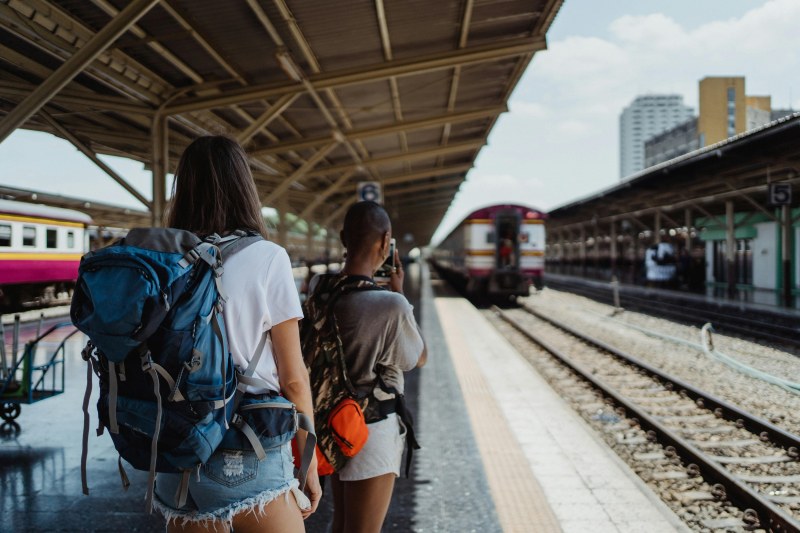
Last summer, my friend Lisa visited Paris for the first time. She’d heard all the warnings—‘it’s just crowds and overpriced croissants’—so she almost skipped the city. But on her second day, she got lost while looking for the Eiffel Tower and stumbled into a tiny boulangerie in Le Marais. The owner, a retired baker named Pierre, gave her a free pain au chocolat and told her stories about growing up in the neighborhood. By the end of her trip, Lisa had more authentic memories from Paris than any off-the-beaten-path place she’d visited. The myth that popular tourist destinations lack authenticity? It’s time to bust it.
Is It True Popular Tourist Spots Can’t Be Authentic?
Popular destinations like Paris, Kyoto, or Barcelona get a bad rap for being full of tourist traps. But the truth is, these places are popular for a reason—they’re steeped in history, culture, and local life. The key isn’t to avoid them entirely; it’s to look beyond the shiny, crowded facades to find the moments that feel real.
6 Myths About Authenticity in Popular Tourist Destinations (Debunked)
- Myth 1: All popular attractions are tourist traps. No—iconic spots like Rome’s Colosseum or Kyoto’s Fushimi Inari Taisha are not just photo ops. Many offer guided tours by local historians that dive into the site’s real history, not just the tourist-friendly bits.
- Myth 2: You have to eat at hidden restaurants to get authentic food. Some busy cafes near landmarks are family-run for generations. In Rome, the Trastevere neighborhood has cafes near the Basilica di Santa Maria in Trastevere that serve homemade carbonara using recipes passed down for decades.
- Myth 3: Locals avoid tourist areas. Many locals work or live in these areas. In Kyoto, shopkeepers near Fushimi Inari Taisha have been selling rice crackers and matcha snacks to pilgrims and tourists alike for centuries.
- Myth 4: Authentic experiences require speaking the local language. Body language and curiosity go a long way. A smile and a simple “thank you” in the local language (like arigatou in Japanese or gracias in Spanish) can open doors to conversations with locals.
- Myth 5: You need to spend a lot to get authentic moments. Free activities like walking through a local market (e.g., La Boqueria in Barcelona) or joining a community festival are often the most authentic. These moments don’t cost a thing but let you see how locals live.
- Myth 6: Popular destinations are all the same. Each city has unique neighborhoods. In New York City, Times Square is busy, but Harlem has its own rhythm with jazz clubs and soul food joints that feel worlds away from the tourist hub.
Tourist Trap vs. Authentic Spot: A Quick Comparison
Let’s look at three popular destinations to see how easy it is to swap traps for real moments:
| Destination | Tourist Trap | Authentic Alternative |
|---|---|---|
| Paris | Overpriced cafes near the Eiffel Tower with pre-made croissants. | Le Marais boulangeries (like Pierre’s) with fresh, buttery pastries and local stories. |
| Kyoto | Mass-produced matcha desserts near Kinkaku-ji. | Family-run tea houses in Gion where you can watch a traditional tea ceremony. |
| Barcelona | Tourist-focused tapas bars near La Rambla with generic dishes. | El Born neighborhood’s tapas bars serving patatas bravas made with local olive oil. |
Wisdom to Remember
“The world is a book, and those who do not travel read only one page.” — Saint Augustine
This quote reminds us that travel is about more than checking off landmarks. It’s about turning the pages to find the stories hidden in even the most well-known places. Lisa’s boulangerie encounter in Paris is a perfect example—she didn’t just eat a croissant; she got a glimpse into a local’s life.
Common Question: How Do I Find Authentic Spots Without Local Connections?
Q: I’m visiting a popular city and don’t know any locals. How can I find authentic experiences?
A: Start by walking away from the main attractions—even 10 minutes can lead to a quiet street with local shops. Use apps like LocalEats for family-run restaurants, or ask your hotel concierge for their favorite off-the-beaten-path spots (they often know the best kept secrets). Also, look for places where locals are eating or shopping—if a café is full of people in work clothes during lunch, it’s likely authentic.
Popular tourist destinations don’t have to be superficial. With a little curiosity and willingness to wander, you can find moments that feel true to the place. Whether it’s a baker in Paris sharing a story or a tea master in Kyoto showing you how to whisk matcha, these are the memories that make travel unforgettable.