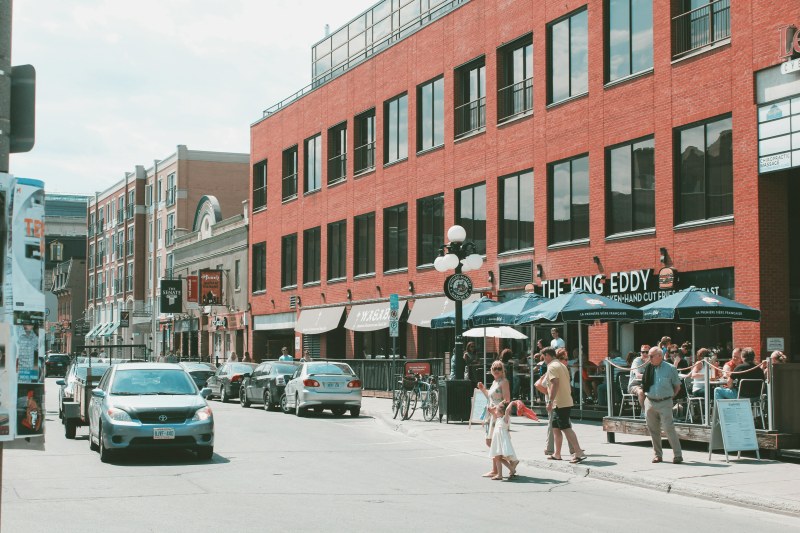
Last summer, my friend’s family swapped their annual Disney World trip for a week in a tiny coastal town in Portugal. Instead of rushing from ride to ride, they stayed in a small apartment with a kitchen, visited the local fish market every morning, let their 7-year-old take a pottery class, and even joined a neighborhood picnic. Months later, their kid still talks about the pottery teacher who gave her a tiny clay fish—way more than any roller coaster. That’s slow family travel: trading checklist stops for deep, kid-centered moments.
What Is Slow Family Travel, Anyway?
Slow family travel isn’t about moving slowly—it’s about staying longer in one place (think 3-7 days instead of 1-2) and letting your family’s interests guide the trip. It’s skipping the tourist traps to explore local parks, eat at neighborhood cafes, and connect with people who live there. For kids, it’s about feeling like they’re part of the place, not just passing through.
5 Myths About Slow Family Travel (Debunked)
Let’s bust the most common myths that hold families back:
- Myth 1: It’s too expensive → Debunked: Stay in homestays or Airbnbs with kitchens (save on eating out), use public transport, and take advantage of free activities like beaches, parks, or community festivals.
- Myth 2: Kids will get bored → Debunked: Let kids pick one activity per day (e.g., a playground visit, a bug hunt, or a candy shop stop). Boredom often leads to creativity—like building sandcastles for an hour or collecting seashells.
- Myth 3: You need weeks of vacation time → Debunked: Even a 3-day weekend in a nearby town counts. Instead of driving 2 hours to a theme park, stay overnight in a small city and explore its downtown, library, and local bakery.
- Myth 4: It’s only for rural areas → Debunked: Slow travel works in cities too! Visit a neighborhood farmers’ market, play in a local park, or take a walking tour of a historic district—no countryside required.
- Myth 5: You have to skip all tourist spots → Debunked: Mix tourist spots with local moments. For example, if you visit the Eiffel Tower, follow it up with a picnic in a nearby neighborhood park instead of a chain restaurant.
Slow vs. Traditional Family Travel: A Quick Comparison
Wondering how slow travel stacks up against your usual vacation? Here’s a side-by-side look:
| Aspect | Slow Family Travel | Traditional Family Vacation |
|---|---|---|
| Pace | Relaxed—1-2 activities per day | Fast—multiple stops per day |
| Focus | Local experiences & kid engagement | Tourist attractions & photo ops |
| Cost (average per day) | $50-$150 (homestays + cooking) | $200-$500 (hotels + eating out) |
| Kid Engagement | High—kids help plan & explore | Low—kids are along for the ride |
| Memory Impact | Long-lasting (stories, connections) | Short-term (rides, photos) |
Practical Tips for Slow Family Travel
Ready to try it? Here are 3 easy tips to get started:
- Let kids lead 👧: Ask your child what they want to do (e.g., “Do you want to visit the zoo or the playground today?”). This gives them ownership and makes the trip more fun.
- Pack light 🧳: Bring only the essentials. Less luggage means less stress and more flexibility to walk or take public transport.
- Talk to locals 🗣️: Ask a café owner for kid-friendly spots, or a park-goer for the best place to get ice cream. Locals always know the hidden gems.
Classic Wisdom on Travel with Kids
“The world is a book, and those who do not travel read only one page.” — St. Augustine
This quote rings true for family travel. Slow travel lets your kids read more than just a page—they get to dive into the story of a place, meet the characters (locals), and create their own chapters.
FAQ: Common Questions About Slow Family Travel
Q: Can we do slow travel on a tight budget?
A: Yes! Opt for homestays (cheaper than hotels), cook most meals at your accommodation, use public transport or walk, and take advantage of free activities like libraries, parks, or beach days. You don’t need to spend a lot to have a meaningful trip.
Q: How do I keep my toddler entertained during long stays?
A: Bring a small travel kit (coloring books, stickers, a favorite toy) and let them explore their surroundings. Toddlers love simple things like chasing pigeons in a park or playing with sand at the beach—no fancy activities needed.
Final Thoughts
Slow family travel isn’t about being perfect—it’s about slowing down and letting your family connect with the world in their own way. Whether you’re visiting a nearby town or a far-off country, the goal is to create memories that last long after the trip ends. So next time you plan a family vacation, try skipping the rush and embracing the slow.