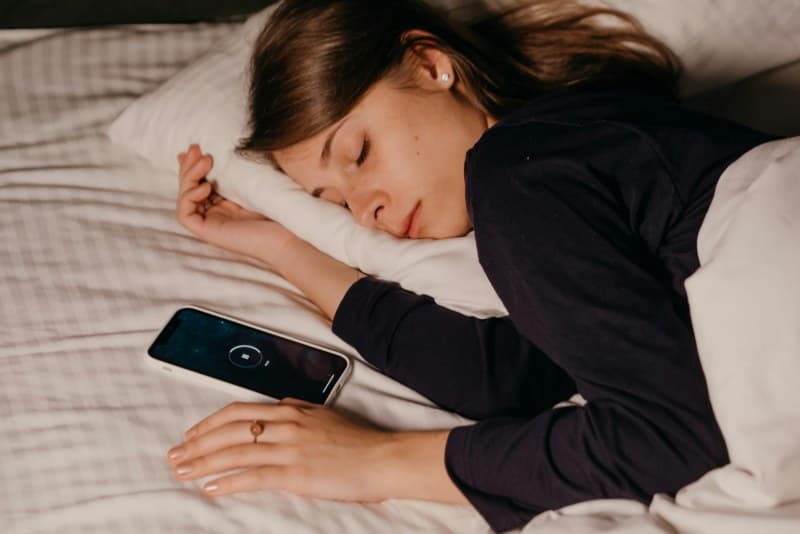
Sarah pulled an all-nighter to finish a client’s logo design, chugging coffee to stay awake. The next day, she stared at her screen for hours, unable to pick between two color palettes—something she usually did in minutes. By mid-afternoon, she snapped at a colleague over a minor mistake. Sound familiar? Poor sleep doesn’t just make you tired; it wreaks havoc on how you perform every day.
6 Key Ways Sleep Shapes Daily Performance
Here’s how sleep impacts different areas of your daily life, plus quick fixes to turn things around:
| Key Area | Impact of Poor Sleep | Quick Fix |
|---|---|---|
| Focus & Concentration | Slower reaction times, difficulty staying on task | Take 5-minute breaks every hour to reset |
| Mood Regulation | Increased irritability, higher risk of anxiety | Practice 2 minutes of deep breathing when stressed |
| Physical Energy | Muscle fatigue, reduced endurance | Do 10 minutes of light stretching or walking mid-day |
| Decision Making | Impulsive choices, difficulty weighing options | Delay big decisions until after a short nap or rest |
| Memory Retention | Trouble recalling details or learning new things | Review important info before bed to boost consolidation |
| Creativity | Stuck in rigid thinking, lack of new ideas | Take a walk outside to stimulate fresh thinking |
Common Myths About Sleep & Performance
Myth 1: I can get by on 4-5 hours of sleep
Most adults need 7-9 hours of sleep daily. Chronic sleep deprivation (less than 6 hours) leads to cognitive decline, slower reaction times, and even increased risk of accidents. Think of it like charging a phone—skimping on sleep leaves your brain with a low battery.
Myth 2: Napping during the day ruins nighttime sleep
Short naps (20-30 minutes) are actually beneficial! They boost alertness and performance without disrupting your nightly sleep cycle. Just avoid napping after 3 PM, as it can delay your bedtime.
A Timeless Wisdom on Sleep
Early to bed and early to rise, makes a man healthy, wealthy, and wise.
Benjamin Franklin’s famous saying highlights the power of consistent sleep. While the exact timing might vary (some are night owls!), a regular sleep schedule helps your body regulate its internal clock. Waking up and going to bed at the same time each day—even on weekends—leads to better performance and overall well-being.
FAQ: Can I Improve Performance Without More Sleep?
Q: I don’t have time to sleep more—can I still boost my daily performance?
A: Absolutely! Focus on sleep quality instead of quantity. Try these small changes: Keep your bedroom dark and cool (around 60-67°F), avoid screens 1 hour before bed (blue light suppresses melatonin), and limit caffeine after 2 PM. Even these tweaks can make you feel more rested and focused.
Sleep isn’t a luxury—it’s a foundation for your best self. By understanding how it impacts your performance and making consistent small changes, you can wake up feeling refreshed and tackle each day with clarity and energy.