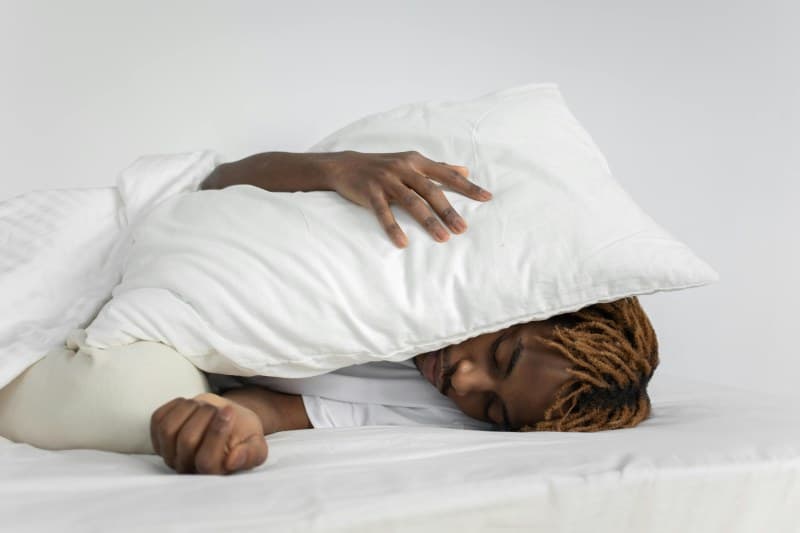
Last month, my friend Lisa told me she was “catching up” on sleep by staying in bed till 10 AM every Saturday. She worked late during the week, so weekends were her chance to “recharge.” But she still felt groggy during the day, and her mood was always off by Monday. Sound familiar? Chances are, you’ve bought into one (or more) sleep myths that are sabotaging your rest.
6 Sleep Myths & Their Science-Backed Fixes
Let’s break down 6 common sleep myths, their truths, and simple fixes:
| Myth | Science-Backed Truth | Quick Fix |
|---|---|---|
| You can catch up on sleep over the weekend. | Irregular sleep disrupts your circadian rhythm, leading to “social jetlag.” | Stick to the same sleep/wake times (within 30 mins) daily. |
| More sleep = better sleep. | Oversleeping (10+ hours for adults) causes grogginess and metabolic disruptions. | Aim for 7-9 hours nightly (CDC guidelines). |
| Napping during the day ruins night sleep. | Short naps (20-30 mins) boost alertness without nighttime disruption. | Avoid naps after 3 PM and keep them under 30 mins. |
| Counting sheep helps you fall asleep. | It’s monotonous but doesn’t relax your body or mind. | Try progressive muscle relaxation (tense/release each group). |
| Alcohol helps you sleep better. | Alcohol suppresses deep REM sleep, leading to fragmented rest. | Avoid alcohol 3-4 hours before bedtime. |
| Watching TV in bed helps you unwind. | Blue light from screens suppresses melatonin (sleep hormone). | Swap TV for a book or use blue light filters. |
“Early to bed and early to rise makes a man healthy, wealthy, and wise.” — Benjamin Franklin
Franklin’s advice isn’t wrong, but modern science adds nuance: consistency matters more than exact times. Even night owls benefit from a regular schedule over forcing an early bedtime.
Real-Life Win: Lisa’s Sleep Transformation
After learning these myths, Lisa tried a 2-week experiment. She set her alarm for 7 AM daily (even weekends) and went to bed at 11 PM. She cut weekend naps and swapped TV for 10-minute meditations. By week two, she no longer felt groggy in the morning, and midday slumps vanished. “I can’t believe how much a routine changed everything,” she said.
FAQ: Can I Fix My Sleep Habits Fast?
Q: I’ve had bad sleep habits for years—will I see changes quickly?
A: Yes! Small, consistent changes (like fixed sleep times) improve quality in 1-2 weeks. If you stay up till 1 AM, move bedtime 15 mins earlier nightly until you reach your target.
3 Easy Steps to Sleep Better Tonight
- 🌙 Dim lights 1 hour before bed to signal your body to wind down.
- 💡 Keep your bedroom cool (60-67°F/15-19°C) to boost melatonin production.
- 📚 Swap your phone for a physical book—use blue light filters if you must use a device.
Sleep is critical for health, but myths often hold us back. Ditching these misconceptions and sticking to science-backed habits will help you get the rest your body and mind need.