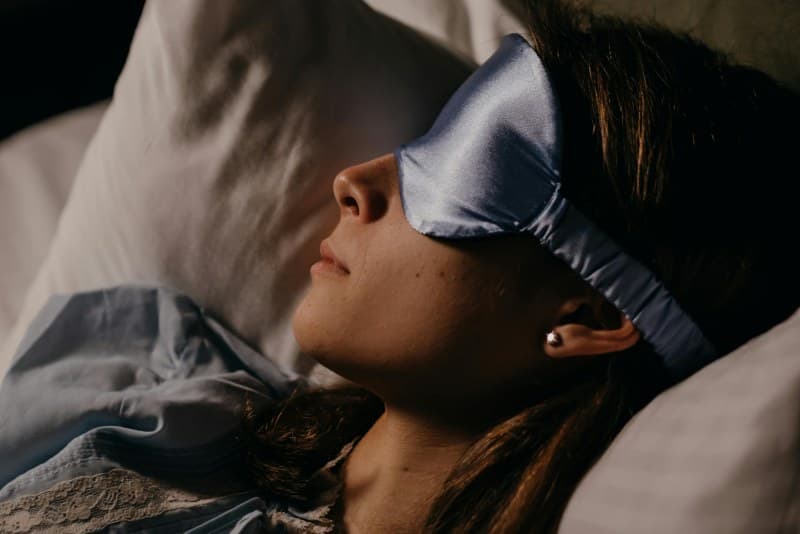
Last week, my friend Lila told me she’d been hitting the hay at 10 PM every night and waking up at 6 AM—8 full hours—but still dragged through her morning meetings. She couldn’t figure out why: no screen time before bed, no caffeine after 2 PM, yet she felt like she’d barely rested. The answer? She wasn’t paying attention to her sleep cycles.
What Are Sleep Cycles, Anyway?
Sleep isn’t a single state; it’s a series of repeating cycles, each lasting about 90 minutes. You go through 4-6 cycles a night, and the balance between their two main phases—NREM (non-rapid eye movement) and REM (rapid eye movement)—matters more than just total hours. Let’s break them down:
| Phase | Key Purpose | Brain Activity | Body State | Typical Duration per Cycle |
|---|---|---|---|---|
| NREM (Deep Sleep) | Physical recovery, tissue repair, memory consolidation | Slow, rhythmic waves | Muscles relaxed, heart rate low | 45-60 minutes (early in the night) |
| REM Sleep | Cognitive recovery, dream formation, emotional regulation | Active (similar to wakefulness) | Muscles paralyzed, eye movement rapid | 15-30 minutes (increases later in the night) |
5 Common Sleep Cycle Myths Debunked
Myth 1: More sleep = better sleep
Lila’s story proves this wrong. If you wake up in the middle of a REM cycle (when your brain is active), you’ll feel groggy—even if you slept 8 hours. Waking up at the end of a cycle (when you’re in light sleep) leaves you feeling refreshed, even with 7 hours.
Myth 2: You can skip REM sleep
REM is often called the “dream phase,” but it’s far more than that. It helps process emotions and巩固 memories. Skipping it (e.g., from alcohol or sleep deprivation) leads to mood swings and poor focus the next day.
Myth 3: Waking up in the middle of the night is bad
It’s normal! We wake briefly between cycles but usually don’t remember. If you stay awake for more than 20 minutes, get out of bed and do something calm (like reading) until you feel sleepy.
Myth 4: Deep sleep only happens early in the night
Yes—deep sleep is most common in the first half of the night, while REM increases in the second half. That’s why waking up at 5 AM after going to bed at 10 PM might mean you miss out on late-night REM, leaving you irritable.
Myth 5: Alcohol helps you sleep better
Alcohol may make you fall asleep faster, but it suppresses REM sleep. You’ll wake up frequently in the night and feel unrested—even if you think you slept through.
A good laugh and a long sleep are the two best cures for anything. — Irish Proverb
This proverb hits home because a long sleep without quality cycles isn’t a cure—it’s just time spent in bed. The laugh? Well, that’s a bonus for reducing stress, which also helps sleep cycles.
Q&A: Can I Improve My Sleep Cycles?
Q: I often wake up groggy. What can I do to fix my cycles?
A: Try these small changes:
- Stick to a consistent sleep schedule (even weekends) to regulate your circadian rhythm.
- Avoid heavy meals or intense exercise 2-3 hours before bed.
- Keep your bedroom dark, cool (60-67°F), and quiet.
Final Thoughts
Sleep cycles are the unsung heroes of our daily wellness. By understanding how they work and debunking common myths, you can stop chasing hours and start chasing quality. Lila now uses a sleep tracker to wake up at the end of her cycles—and she says her morning meetings are finally bearable.