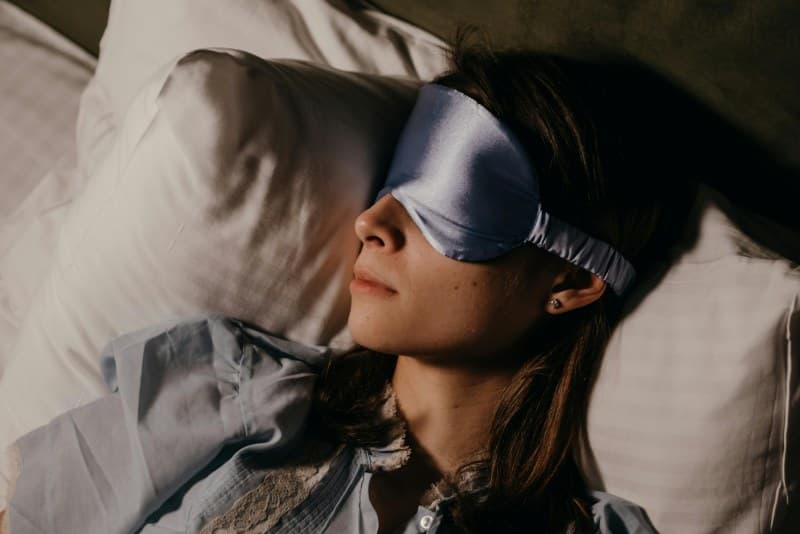
Sarah’s morning routine was a familiar struggle: hit snooze three times, chug a coffee while rushing to work, and still feel like she was operating on half power by mid-morning. She tried going to bed earlier, but nothing changed—until she learned about the two sleep stages that directly affect how refreshed she feels when she wakes up. Let’s break them down.
Two Key Sleep Stages That Shape Your Morning Energy
Most people know sleep has cycles, but two stages stand out for their impact on morning energy: deep sleep and REM (rapid eye movement) sleep. Each plays a unique role in recharging your body and brain.
Here’s how these two stages compare:
| Stage Name | Typical Duration per Cycle | Key Functions | Impact on Morning Energy |
|---|---|---|---|
| Deep Sleep | 20-40 minutes per cycle | Repairs muscles, boosts immune system, regulates growth hormone | Lack leads to physical fatigue, soreness, or difficulty concentrating |
| REM Sleep | 10-60 minutes (longer in later cycles) | Supports memory consolidation, creativity, emotional regulation | Lack leads to brain fog, mood swings, or trouble retaining new info |
Why These Stages Matter (And a Classic Wisdom Check)
Benjamin Franklin once said,
"Early to bed and early to rise makes a man healthy, wealthy, and wise."But it’s not just about the time you go to bed—it’s about the quality of these two stages. For example, Sarah started avoiding screens an hour before bed (blue light suppresses melatonin, which affects deep sleep) and noticed she woke up with more energy after a week. She also stopped hitting snooze, which disrupts the final REM cycle of the night.
Common Question: Can I Prioritize One Stage Over the Other?
Q: Is it better to focus on getting more deep sleep or REM sleep for better morning energy?
A: Both are non-negotiable. Deep sleep recharges your body’s physical systems, while REM recharges your brain. If you skimp on deep sleep, you’ll feel physically drained; skip REM, and you’ll struggle with focus and mood. The key is to let your body complete full sleep cycles (each lasts ~90 minutes) so you get enough of both.
Simple Tips to Optimize Both Stages
- 💡 Stick to a consistent sleep schedule (even weekends) to help your body regulate its cycle.
- 🌙 Avoid blue light (phones, TVs) 1 hour before bed—use dim lights or a book instead.
- 🛌 Keep your bedroom cool (60-67°F /15-19°C) to promote deep sleep.
- ☕ Limit caffeine after 2 PM—caffeine can interfere with both deep and REM sleep.
By understanding these two key sleep stages and making small adjustments to your routine, you can say goodbye to groggy mornings and hello to sustained energy throughout the day. Sarah’s story is proof: she now wakes up without hitting snooze and gets through her day without relying on extra coffee. It’s not about sleeping more—it’s about sleeping smarter.