Last week, my neighbor’s 7-year-old and 10-year-old got into a screaming match over who got to use the tablet first. The younger one cried, the older one crossed her arms, and their mom sighed, wondering if this was just “normal sibling stuff” or something to worry about. If you’ve ever dealt with sibling rivalry, you know that mix of frustration and guilt—wanting your kids to get along but not knowing how to fix the constant bickering.
The Two Core Causes of Sibling Rivalry
Most sibling fights aren’t random. They usually stem from two key issues that kids navigate as they grow up.
1. Resource Competition
Kids see the world in terms of what’s “theirs” and what’s shared. When resources like parent attention, toys, or screen time feel limited, they fight to claim their share. For example, a toddler might grab a stuffed animal from their baby sibling because they notice mom has been holding the baby more lately. It’s not about the toy—it’s about feeling like their place in the family is being threatened.
2. Identity Formation
As kids grow, they want to stand out. They need to know what makes them unique in the family. If one child is known for being “the athlete,” their sibling might act out to carve their own identity (like being “the funny one” or “the artist”). A 12-year-old who loves soccer might tease their 9-year-old sibling who prefers reading—less to be mean, more to say, “This is my thing, and that’s yours.”
To help you spot the difference between these two causes, here’s a quick comparison:
| Cause Type | What It Looks Like | Common Emotion | Typical Scenario |
|---|---|---|---|
| Resource Competition | Fighting over toys, screen time, or parent time | Fear of being left out | Two kids arguing over who gets to sit next to mom at dinner |
| Identity Formation | Teasing about hobbies, skills, or preferences | Need to feel unique | A child mocking their sibling’s love for drawing to highlight their own sports skills |
Busting Common Myths About Sibling Rivalry
Let’s clear up some misconceptions that make parents feel like they’re failing:
- Myth 1: It means they don’t love each other. Rivalry doesn’t erase bond. Kids fight with the people they feel safest with—siblings are no exception.
- Myth 2: Only kids with small age gaps fight. Even siblings with 5+ years between them clash. A teen might get annoyed by their younger sibling’s “annoying” habits, while the younger one resents the teen’s more freedom.
- Myth 3: Parents can completely eliminate it. Rivalry is a natural part of growing up. The goal isn’t to stop fights—it’s to teach kids how to resolve them kindly.
“Siblings may drive you crazy, but they’re the ones who will always have your back.” — Unknown
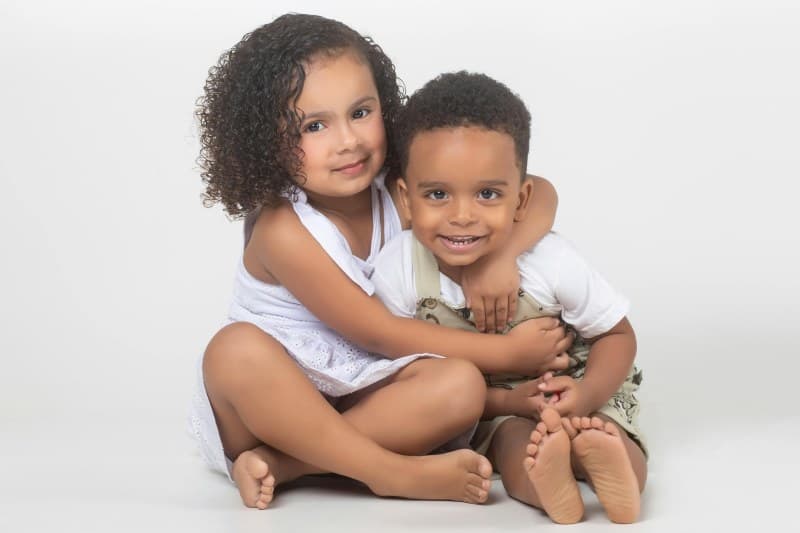
This quote hits home because it reminds us that rivalry is just one layer of sibling relationships. Even when they bicker, siblings share a unique bond that lasts a lifetime.
Small Steps to Ease Sibling Tension
You don’t need to be a family therapist to make things better. Try these simple tips:
- Schedule one-on-one time: Set aside 15-20 minutes a day with each child to do something they love. This reduces resource competition by making each kid feel seen.
- Let them solve small conflicts: If no one is hurt, step back and let them figure it out. For example, if they’re fighting over a game, ask, “How can you both play this together?” This teaches problem-solving skills.
- Celebrate unique strengths: Praise each child for their own talents. Instead of saying “You’re both so smart,” say “I love how you draw such detailed pictures” to one, and “Your soccer skills are getting amazing” to the other. This reduces identity-based rivalry.
FAQ: Is Sibling Rivalry Normal?
Q: I feel like my kids fight all the time. Is this normal?
A: Yes! Sibling rivalry is a common part of family life. It’s how kids learn to share, negotiate, and understand others’ feelings. Most cases fade as kids grow older, but consistent small steps (like the ones above) can make the journey smoother.
At the end of the day, sibling rivalry is just a sign that your kids care about their place in the family. With a little patience and intentionality, you can help them turn fights into lessons about love and respect.