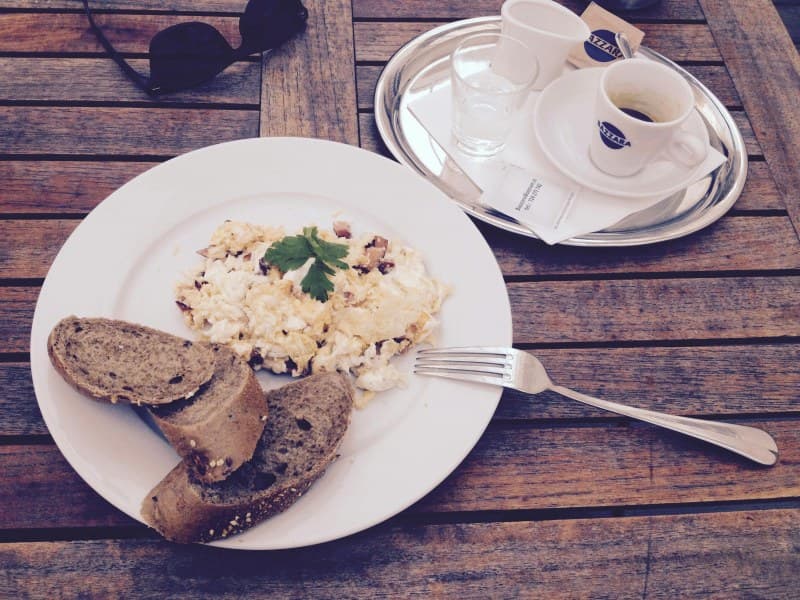
Imagine this: You’re making brunch for your family. You crack eggs into a bowl, whisk them, and pour into a pan. But instead of the creamy, fluffy eggs you wanted, they’re dry, rubbery, or watery. Sound familiar? Scrambled eggs are simple, but getting their texture just right takes knowing a few key secrets.
4 Key Factors That Shape Scrambled Eggs Texture 🍳
Here are 4 non-negotiable factors that determine whether your scrambled eggs are creamy, fluffy, or a sad, rubbery mess:
- Heat Level: Low and slow is the golden rule. High heat cooks eggs too fast, leading to dryness. Medium-low heat lets them set gently.
- Stirring Technique: Stir frequently for creamy eggs (every 10-15 seconds) to form small curds. Stir less for fluffy eggs (let them set in patches then fold).
- Fat Type: Butter adds richness; oil is lighterighter. For extra creaminess, add a splash of heavy cream or crème fraîche.
- Egg-to-Liquid Ratio: 1 tablespoon of liquid per egg egg is ideal. Too much liquid makes eggs watery; too little makes them dense.
To see how these factors differ for creamy vs fluffy eggs, check out this comparison:
| Factor | Creamy Scrambled Eggs | Fluffy Scrambled Eggs |
|---|---|---|
| Heat Level | Medium-low (simmer) | Medium (gentle bubble) |
| Stirring | Frequent (every 10s) | Occasional (fold every 30s) |
| Fat | Butter + cream | Butter or oil |
| Liquid Ratio | 1 tbsp cream per egg | 1 tbsp milk per egg |
Common Mistakes & Quick Fixes 💡
Let’s talk about the mistakes we all make. Take my friend Sarah: She once made scrambled eggs for her mom’s birthday brunch. She turned the heat up high to save time, and the eggs ended up rubbery and dry. Here’s how to fix those common blunders:
- Mistake: Overheating. Fix: Turn down the heat and remove the pan from the stove a minute before the eggs are fully set (they’ll continue cooking from residual heat).
- Mistake: Over-stirring for fluffy eggs. Fix: Let the eggs set in the pan for 20-30 seconds, then fold them gently with a spatula.
- Mistake: Adding too much liquid. Fix: Stick to 1 tbsp per egg—any more and you’ll need to drain excess water.
“You don’t have to cook fancy or complicated masterpieces—just good food from fresh ingredients.” — Julia Child
This quote sums it up perfectly. Scrambled eggs aren’t about fancy techniques; they’re about getting the basic factors right and using fresh, quality eggs. Even the simplest dish can be amazing with a little attention to detail.
Q&A: Your Questions Answered 🤔
Q: Can I use milk instead of cream for creamy scrambled eggs?
A: Yes! Milk works, but it’s lighter than cream. For the richest creaminess, opt for heavy cream or crème fraîche. If you use milk, add a tiny bit of butter to boost richness.
Q: Should I whisk eggs before or after adding to the pan?
A: Whisk eggs well before adding to the pan. This combines the yolks and whites evenly, so your eggs have a consistent texture.
Next time you make scrambled eggs, keep these 4 factors in mind. Whether you prefer creamy or fluffy, a little practice and attention to detail will help you make the perfect batch every time. Happy cooking! 🍳