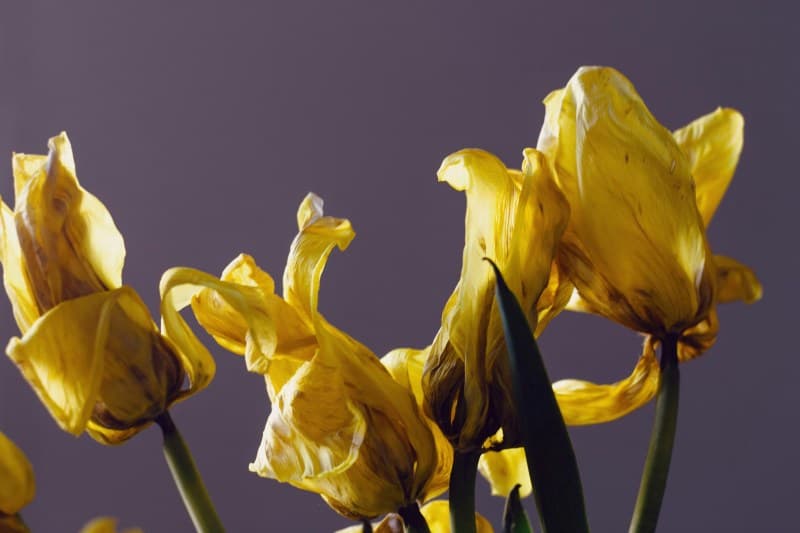
Last week, I walked into my apartment to find my favorite pothos drooping like a sad balloon. Its leaves were limp, and the soil felt bone dry. I panicked for a second, but then remembered the tricks I’d picked up over the years. Wilting plants are a common cry for help, but with the right know-how, most can bounce back.
4 Common Causes of Wilting (And How to Fix Them Fast) 🌿
Wilting isn’t just about water—it can stem from several issues. Here’s a breakdown of the most frequent culprits:
| Cause | Key Signs | Quick Fix | Prevention |
|---|---|---|---|
| Underwatering | Limp leaves, dry soil, brown leaf tips | Water thoroughly until it drains from the bottom | Check soil moisture every 3-5 days (stick finger 1 inch deep) |
| Overwatering | Mushy yellow leaves, soggy soil, root rot smell | Repot in dry soil; trim rotting roots | Use pots with drainage holes; water only when soil is dry |
| Root Bound | Roots growing out of drainage holes, slow growth | Repot into a larger pot (1-2 inches bigger) | Repot every 1-2 years (depending on plant type) |
| Lack of Light | Pale leaves, leggy growth, drooping | Move to a brighter spot (avoid direct sun for shade-loving plants) | Rotate plants weekly to ensure even light exposure |
Prevention: Keep Your Plants Happy Long-Term 💡
Preventing wilting is easier than fixing it. Try these simple habits:
- **Check soil first**: Don’t water on a schedule—let the soil tell you when it’s time.
- **Choose the right pot**: Drainage holes are non-negotiable for most plants.
- **Know your plant’s light needs**: A succulent needs more sun than a fern, so place them accordingly.
“The care of the Earth is our most ancient and most worthy, and after all, our most pleasing responsibility.” — Wendell Berry
This quote reminds us that plants aren’t just decor—they’re living things that need consistent care. Even small, daily checks can keep them from wilting.
Real-Life Example: Saving My Overwatered Snake Plant
A few months ago, I overwatered my snake plant (I was trying to be too kind!). Its leaves turned yellow and mushy, and it wilted. I took it out of the pot, trimmed the rotting roots (they were black and slimy), repotted it in dry cactus soil, and stopped watering for two weeks. Now it’s thriving again—new leaves are growing, and it’s back to its upright self. Proof that even mistakes can be fixed.
FAQ: Can a Completely Wilted Plant Be Saved?
Q: I came home from vacation to find my plant completely wilted—leaves brown and crispy. Is there any hope?
A: It depends. First, check the roots. If they’re still white and firm (not mushy or black), you can try trimming the dead leaves, repotting in fresh soil, and giving it a small amount of water. If the roots are rotted, it’s harder, but some plants (like succulents or pothos) can be propagated from healthy leaves. For example, if your pothos has a few green stems left, cut them and place in water—they’ll grow new roots in a few weeks.