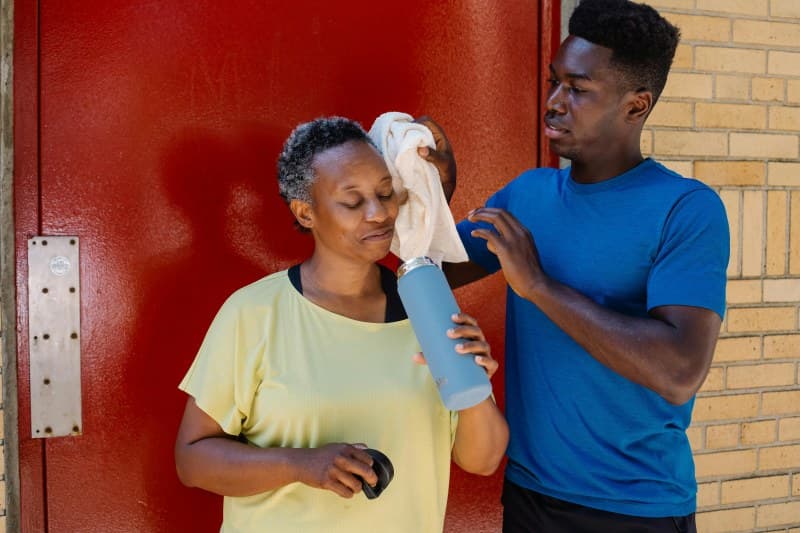
Imagine lacing up your sneakers for a weekend run, skipping pre-workout water because you don’t want to stop for a bathroom break. Halfway through, your calves cramp up so bad you have to walk—sound familiar? That’s what happened to Sarah, a casual runner who learned the hard way how hydration affects exercise performance.
How Hydration Powers Your Workouts
When you move, your body generates heat. Sweating is its way of cooling down—but every drop of sweat lost takes water and electrolytes (like sodium) with it. Dehydration shrinks your blood volume, making your heart work harder to pump oxygen to your muscles. It also messes with muscle contractions (hello, cramps!) and slows nutrient delivery to tired cells. Even mild dehydration (1-2% of your body weight) can reduce strength, endurance, and focus.
5 Hydration Myths You Should Stop Believing
Let’s separate fact from fiction with this quick breakdown:
| Myth | Fact |
|---|---|
| You only need water when you’re thirsty | Thirst is a late sign of dehydration—aim to hydrate before you feel parched. |
| Sports drinks are better than water for all workouts | Only needed for workouts longer than 60-90 minutes (they replace electrolytes lost in sweat). |
| Drinking too much water is impossible | Overhydration (hyponatremia) is rare but can happen—stick to a balanced intake. |
| Pee color doesn’t matter | Light yellow pee means you’re hydrated; dark yellow or amber signals dehydration. |
| You don’t need to hydrate in cold weather | You still sweat in cold temps (layers trap heat), so hydration is key. |
Quick Tips to Stay Hydrated During Workouts
- 💧 Pre-workout: Drink 16-20 oz of water 1-2 hours before your session.
- 💧 During: For workouts under 60 mins, water is fine. For longer, add a sports drink or a pinch of salt to water.
- 💧 Post-workout: Replace lost fluids—aim for 16-24 oz per pound lost (weigh yourself before and after to estimate).
- 💧 Listen to your body: If you feel dizzy or crampy, take a break and sip water.
FAQ: Do I Need Sports Drinks for Every Workout?
Q: I go to the gym for 30 minutes—should I reach for a sports drink?
A: Probably not. Sports drinks are designed to replace electrolytes and carbs for longer, more intense workouts (think: a 10K run or an hour of HIIT). For short sessions, water is enough. Save sports drinks for when you’re sweating heavily or exercising for extended periods.
"Water is the driving force of all nature." — Leonardo da Vinci
This quote isn’t just about rivers and oceans—it applies to your body too. Water fuels every key function during exercise, from cooling you down to powering your muscles. Sarah learned this after her cramping incident: she started drinking pre-run water and kept a small bottle handy during her runs. The next time she ran her 5K, she finished without cramps and beat her personal best by 2 minutes. Small changes in hydration can make a big difference!