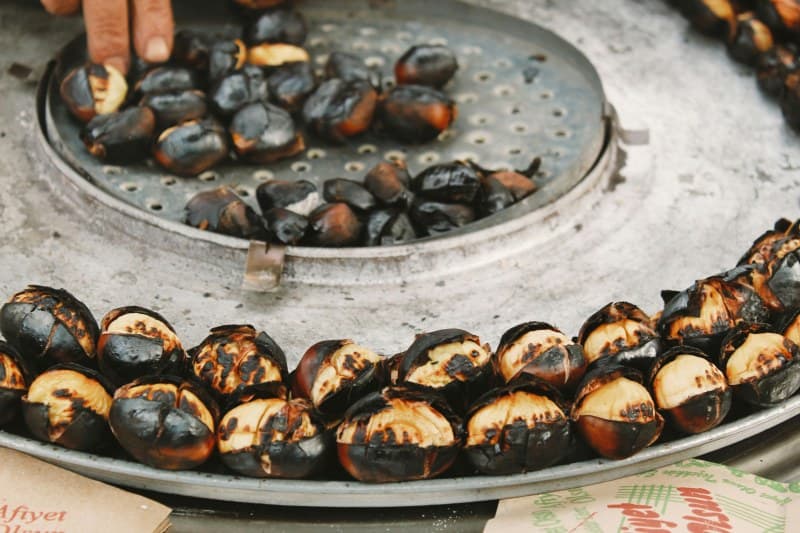
Last week, I spent 20 minutes tossing broccoli florets and carrot sticks in olive oil, sprinkling on sea salt, and sliding them into the oven—only to pull out a tray of soggy, half-burnt veggies. I thought I was following all the "rules" of roasting, but clearly, something was off. Turns out, I was falling for a few common myths about roasting veggies. Let’s break them down so you can get crispy, flavorful results every time.
5 Myths About Roasting Veggies, Debunked 🍳
Myth 1: More oil = crispier veggies
It’s easy to think slathering veggies in oil will make them crispy, but too much oil actually traps moisture, turning your veggies into a steamed mess instead of a roasted one. The sweet spot? About 1-2 teaspoons of oil per cup of veggies—just enough to coat them lightly.
Myth 2: All veggies roast the same way
Dense veggies like potatoes or sweet potatoes need longer cooking times at lower temps, while delicate ones like zucchini or asparagus cook fast at higher temps. Mixing them on the same tray without adjusting can lead to some veggies being undercooked and others burnt.
Myth 3: Stirring often keeps veggies from burning
Stirring too frequently prevents the Maillard reaction—the chemical process that gives roasted veggies their golden, crispy crust and deep flavor. Stir once halfway through cooking to ensure even browning.
Myth 4: Salt before roasting makes veggies soggy
Salt does draw out moisture, but if you toss your veggies with oil first, the oil creates a barrier that keeps the moisture from making them soggy. Salt after oiling to enhance flavor without the sogginess.
Myth 5: Any baking sheet works
Dark-colored baking sheets absorb more heat, which can lead to burnt edges on your veggies. Opt for a light-colored sheet or line it with parchment paper to distribute heat evenly.
Veggie Roasting Guide: Temp & Time Comparison 🥦
Not sure how long to roast your favorite veggies? Here’s a quick reference:
| Veggie Type | Ideal Temp (°F) | Roasting Time (minutes) | Pro Tip |
|---|---|---|---|
| Broccoli Florets | 425 | 15-20 | Toss with garlic powder for extra depth |
| Cubed Potatoes | 400 | 25-30 | Parboil for 5 minutes first for fluffy insides |
| Zucchini Slices | 425 | 10-15 | Cut into ½-inch thick slices to avoid sogginess |
| Bell Pepper Strips | 400 | 20-25 | Remove seeds and membranes for even cooking |
Pro Tips to Level Up Your Roasting 💡
- Preheat your baking sheet: A hot sheet helps veggies crisp up immediately instead of sticking or steaming.
- Don’t overcrowd the tray: Leave space between veggies so air can circulate—if they’re too close, they’ll steam.
- Add acid at the end: A squeeze of lemon juice or a drizzle of balsamic vinegar after roasting brightens the flavor.
Julia Child once said, "The only real stumbling block is fear of failure. In cooking, you've got to have a what-the-hell attitude."
This rings true for roasting veggies. Don’t be afraid to experiment with seasonings (try smoked paprika or parmesan!) or adjust cooking times—even if you mess up once, you’ll learn what works for your veggies.
Quick Q&A: Common Roasting Questions
Q: Can I roast frozen veggies?
A: Yes! Skip thawing—toss frozen veggies with oil and roast at 425°F for 20-25 minutes, stirring once. They might release a bit more moisture, but they’ll still get crispy.
Q: Should I peel veggies before roasting?
A: It depends! Potato skins add texture and flavor, while carrot skins are fine if they’re clean. For veggies like squash, peeling is optional—just make sure to wash them well.