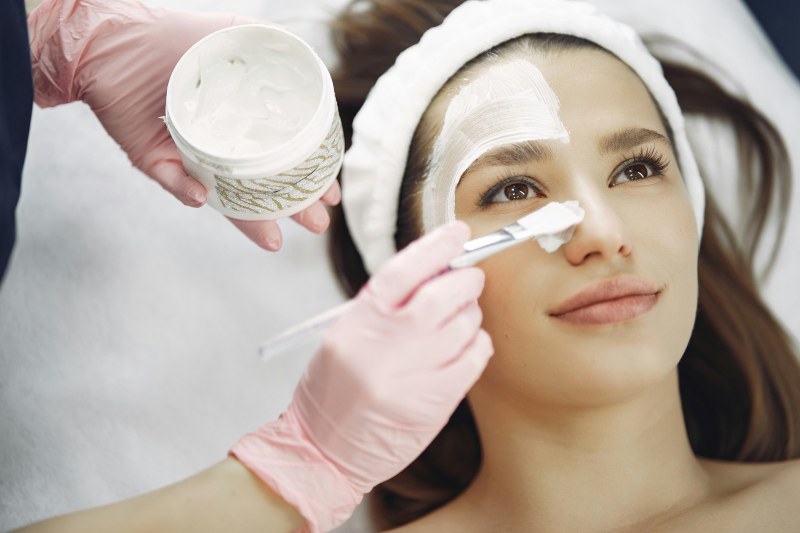
My friend Lila spent years avoiding any kind of facial oil. She had acne-prone skin, and every time she tried a moisturizer with oil, she swore it made her breakouts worse. So she stuck to harsh, oil-free cleansers and toners—until her skin got so dry it started flaking, and her acne actually got more persistent. Then a dermatologist suggested she try jojoba oil. At first, she was skeptical, but after a week of using it, her skin felt balanced, and her breakouts started to calm down. That’s when she realized: not all oils are enemies of acne-prone skin.
The Truth About Facial Oils and Acne
For years, people with acne have been told to steer clear of oils. But the reality is, non-comedogenic oils (oils that don’t clog pores) can actually help regulate sebum production. When your skin is dry, it overcompensates by producing more oil—leading to more breakouts. Oils like jojoba or squalane mimic your skin’s natural sebum, so they can help keep it balanced without clogging pores.
7 Common Acne Skincare Myths Debunked
- Myth 1: Oily skin doesn’t need moisturizer.
Truth: Dryness triggers your skin to produce more oil. Even oily skin needs a lightweight, non-comedogenic moisturizer to stay balanced. - Myth 2: Scrubbing hard reduces acne.
Truth: Over-exfoliation damages your skin’s barrier, making it more prone to irritation and breakouts. Stick to gentle exfoliants 1-2 times a week. - Myth 3: All facial oils cause acne.
Truth: Non-comedogenic oils (like jojoba, tea tree, or rosehip) are safe for acne-prone skin. Avoid heavy oils like coconut oil (unfractionated) which have high comedogenic ratings. - Myth 4: Sun exposure clears acne.
Truth: Sunlight may temporarily dry out pimples, but long-term exposure damages your skin and can worsen acne scars. Always wear SPF! - Myth 5: Acne is just about dirt.
Truth: Dirt isn’t the main cause—hormones, genetics, diet, and stress play bigger roles. Washing your face too often can actually irritate your skin. - Myth 6: Popping pimples helps them go away faster.
Truth: Popping can push bacteria deeper into your skin, leading to scarring and longer healing times. Let pimples heal naturally. - Myth 7: Expensive products are better for acne.
Truth: Ingredients matter more than price. Look for products with salicylic acid, benzoyl peroxide, or niacinamide—these are effective regardless of cost.
Acne-Friendly Oils vs. Comedogenic Oils: A Comparison
Not sure which oils to pick? Here’s a quick breakdown of common oils and their suitability for acne-prone skin:
| Oil Name | Comedogenic Rating (0-5) | Benefits for Acne-Prone Skin | Notes |
|---|---|---|---|
| Jojoba Oil | 0 | Mimics natural sebum, reduces inflammation | Great for all skin types, including acne-prone |
| Tea Tree Oil | 1 | Antibacterial, fights acne-causing bacteria | Dilute with a carrier oil (like jojoba) before use |
| Fractionated Coconut Oil | 2 | Lightweight, moisturizing, non-greasy | Better than unfractionated coconut oil (rating 4) |
| Mineral Oil | 0 | Hypoallergenic, locks in moisture | Avoid if you have very oily skin (can feel heavy) |
Classic Wisdom on Skin Care
“The greatest wealth is health.” — Virgil
This ancient quote rings true for skincare too. Taking care of your skin isn’t about chasing perfect, blemish-free skin—it’s about nurturing your skin’s health. Instead of falling for quick fixes or myths, focus on consistent, gentle care that works for your unique skin type.
FAQ: Your Acne Skincare Questions Answered
Q: Can I use facial oil if I have active acne?
A: Yes! Choose non-comedogenic oils like jojoba or squalane. Patch test the oil on your inner arm first to make sure it doesn’t irritate your skin. Start with a small amount (1-2 drops) and apply it after cleansing and toning.
Q: How often should I wash my face if I have acne?
A: Twice a day—once in the morning and once at night. Over-washing can strip your skin of its natural oils, leading to more breakouts.
Final Thoughts
Acne skincare doesn’t have to be complicated. By debunking these myths and focusing on evidence-based practices, you can find a routine that works for your skin. Remember: your skin is unique, so what works for someone else might not work for you. Be patient, listen to your skin, and don’t be afraid to try new things (like facial oils!)—you might be surprised by the results.