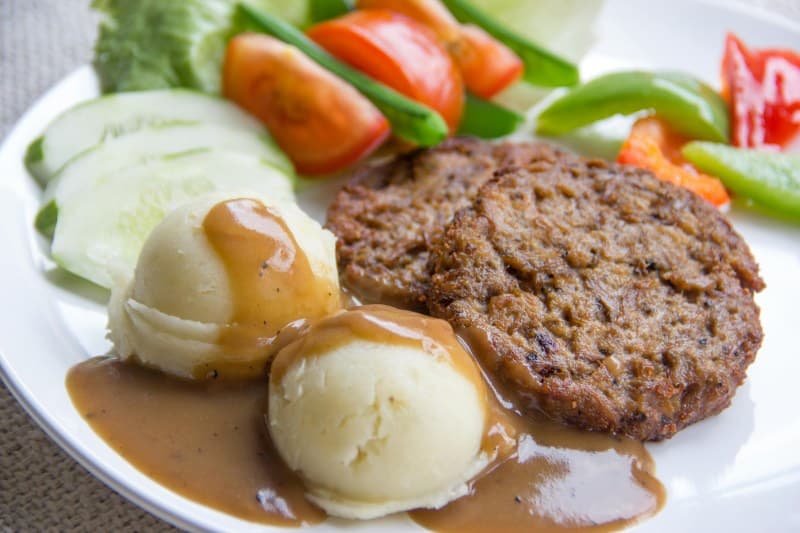
Last Thanksgiving, my aunt Linda had a mashed potato disaster. She boiled her potatoes too long, used a food processor to mash them, and poured in cold milk—resulting in a gluey, lumpy mess that everyone politely picked at. This year, she followed a few simple tips and served the creamiest, fluffiest potatoes we’ve ever had. Let’s break down what makes mashed potatoes perfect, and debunk some common myths along the way.
Why Mashed Potatoes Go Wrong
Mashed potatoes seem simple, but small missteps can ruin the texture. The most common issues are lumpy (undercooked potatoes or uneven mashing), gluey (over-mashing or using the wrong tool), watery (over-boiling or not draining properly), and bland (skimping on seasoning).
4 Common Mashed Potato Myths Debunked
Let’s set the record straight on these persistent myths:
| Myth | Fact |
|---|---|
| You must peel potatoes before boiling. | Peeling is optional! Leaving skins adds fiber, flavor, and a rustic texture. Just scrub them well first. |
| Over-mashing makes potatoes creamier. | Over-mashing breaks down starch molecules, turning potatoes into a sticky, gluey paste. Stop mashing once they’re smooth. |
| Cold milk is best for creaminess. | Warm milk or cream blends seamlessly into hot potatoes, preventing lumps. Cold liquids shock the potatoes and create clumps. |
| A food processor is the best tool. | Food processors over-mash potatoes quickly. Use a ricer, potato masher, or fork for smooth, fluffy results. |
Pro Tips for Creamy Texture
Choosing the right liquid and fat can make all the difference. Here’s how different options stack up:
| Liquid/Fat | Texture Impact | Flavor | Best For |
|---|---|---|---|
| Whole milk (warm) | Light, fluffy | Mild, creamy | Everyday mashed potatoes |
| Heavy cream (warm) | Rich, velvety | Indulgent | Holiday feasts |
| Buttermilk (warm) | Tangy, light | Slightly sour | Herbed or garlic potatoes |
| Sour cream | Thick, tangy | Creamy with a kick | Loaded mashed potatoes |
“I think careful cooking is love, don’t you? The loveliest thing you can cook for someone who’s close to you is something that’s made with care.” — Julia Child
This quote sums up why mashed potatoes matter. Taking the time to boil potatoes just right, use warm liquid, and avoid over-mashing is a small act of care for your family or guests.
FAQ: Common Questions Answered
Q: Can I make mashed potatoes ahead of time?
A: Yes! Make them up to 2 days in advance. Store in an airtight container in the fridge. When ready to serve, reheat on the stovetop with a splash of warm milk or broth, stirring gently to restore creaminess.
Q: What type of potato is best for mashed potatoes?
A: Starchy potatoes like Russets are ideal—they break down easily and create a fluffy texture. Waxy potatoes (like Yukon Gold) are better for roasted or boiled potatoes, as they hold their shape.
Final Takeaway
Mashed potatoes are all about balance: not too lumpy, not too gluey, just creamy and flavorful. By avoiding common myths and using the right tools and ingredients, you can make perfect mashed potatoes every time. Whether it’s a weeknight dinner or a holiday feast, your guests will thank you.