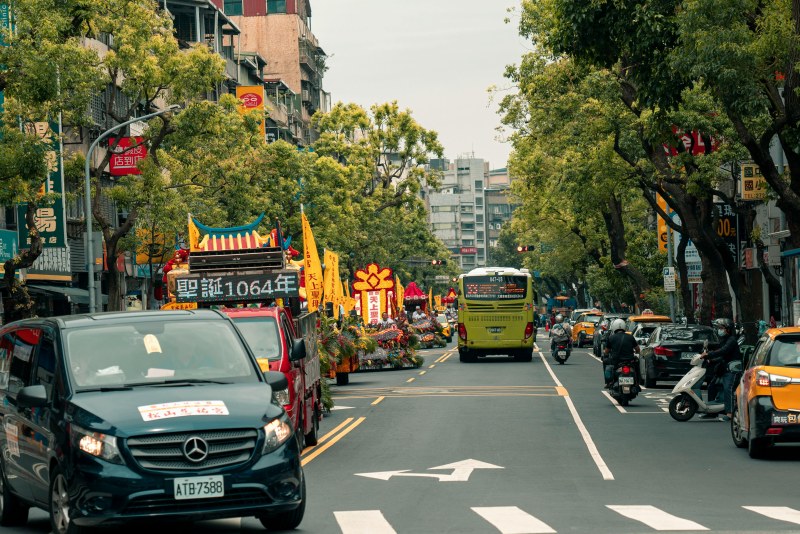
Last year, Lila, a 28-year-old solo traveler, swapped her 10-city European sprint for a 5-day stay in Kyoto. Instead of rushing from temple to temple, she spent a morning at a neighborhood matcha workshop, where the instructor—an elderly woman named Hana—invited her to a family dinner that night. By the end of her trip, Lila had not only learned to make perfect matcha but also gained a friend who still sends her postcards. That’s the magic of solo slow travel: it turns fleeting visits into lasting memories.
What Is Slow Travel for Solo Travelers?
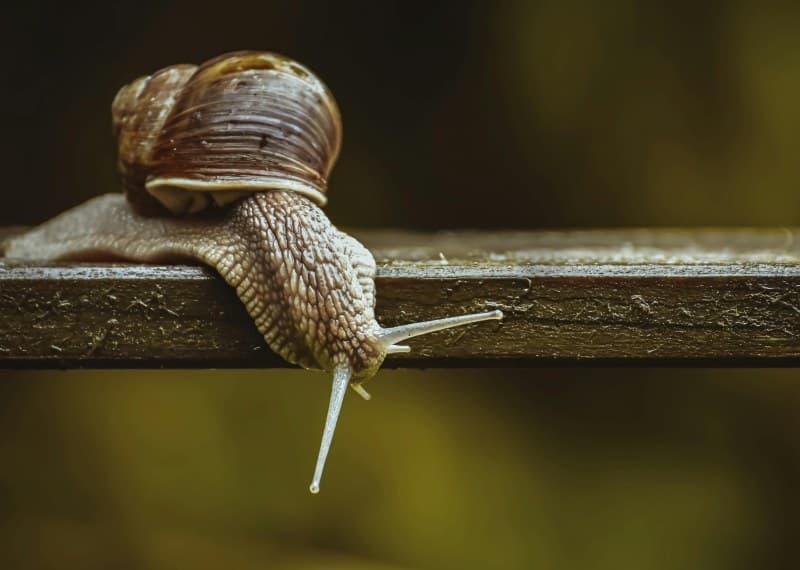
Slow travel isn’t just about moving at a snail’s pace—it’s a mindset. For solo travelers, it means ditching the checklist of tourist spots to focus on quality experiences: chatting with a local baker, taking a leisurely walk through a residential area, or joining a community activity. It’s about being present, not just passing through.
7 Myths About Solo Slow Travel (And The Truth)
Let’s bust some common misconceptions that hold solo travelers back from trying slow travel:
| Myth | Truth |
|---|---|
| Slow travel is too expensive. | It can be budget-friendly: stay in hostels, cook your own meals, or use public transport instead of taxis. |
| Solo slow travel is lonely. | It encourages deeper connections—locals are more likely to strike up a conversation with someone who’s not in a hurry. |
| You need weeks to do slow travel. | Even 3-4 days in a single place (like a small town or city neighborhood) counts. |
| Slow travel only works in rural areas. | Cities are perfect too—try exploring a Parisian arrondissement or a Tokyo neighborhood beyond the main tourist hubs. |
| You have to plan every detail. | Leave room for spontaneity: a random café visit or a local’s recommendation can lead to the best experiences. |
| Solo slow travel is unsafe. | Stay aware of your surroundings, choose well-reviewed accommodation, and trust your gut—many solo travelers do it safely. |
| It’s boring. | It’s about finding joy in small moments: a fresh croissant from a local bakery, a sunset over a river, or a chat with a street vendor. |
Practical Tips to Start Solo Slow Travel
Ready to try slow travel on your next solo trip? Here are a few easy ways to start:
- ✨ Pick 1-2 destinations instead of 5—focus on depth, not breadth.
- ✨ Stay in community-focused accommodation: hostels with common areas, homestays, or guesthouses run by locals.
- ✨ Join a local activity: cooking classes, walking tours, or volunteer projects (like a community garden).
- ✨ Learn 5-10 basic phrases in the local language—locals appreciate the effort.
How to Connect With Locals as a Solo Slow Traveler
One of the best parts of solo slow travel is building connections. Lila’s story in Kyoto is a perfect example: by taking a matcha class, she opened the door to a meaningful interaction. Other ways to connect: ask a local for a restaurant recommendation (not a tourist spot), visit a neighborhood market, or join a casual sports game (like pickup soccer in a park).
"Not all those who wander are lost." — J.R.R. Tolkien
This quote sums up solo slow travel perfectly. It’s not about getting from point A to B quickly—it’s about wandering with purpose, discovering new things, and connecting with the world around you.
FAQ: Common Questions About Solo Slow Travel
Q: Is slow travel only for people with lots of time?
A: No! Even a long weekend in a nearby town can be slow travel. It’s about how you spend your time—focusing on experiences instead of rushing. For example, a 3-day trip to a small coastal town where you walk the beach, visit a local museum, and eat at family-owned restaurants is slow travel.
Whether you’re a seasoned solo traveler or just starting out, slow travel can transform your trips. It’s about slowing down, being present, and making memories that last a lifetime. So next time you plan a solo adventure, try ditching the checklist and embracing the journey.