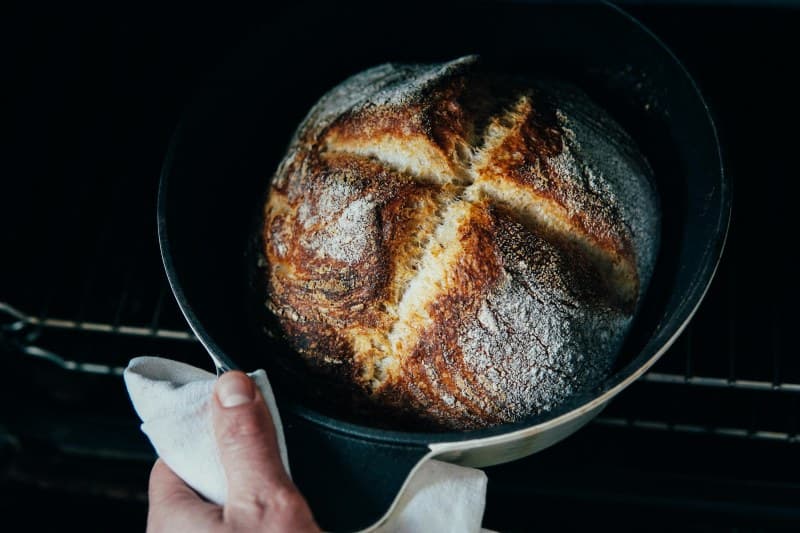
Last month, my friend Lila texted me in panic: her third attempt at a sourdough starter had died. It was runny, smelled like vinegar, and never bubbled. She’d followed every online tutorial but kept making the same mistakes—like using cold water or feeding it too often. Sound familiar? Sourdough starter can feel like a finicky pet, but once you understand the science and bust the myths, it’s surprisingly straightforward.
What Is a Sourdough Starter, Anyway?
A sourdough starter is a living mixture of flour and water that ferments thanks to wild yeast and bacteria in the air. It’s what gives sourdough bread its distinct tangy flavor and airy texture. Think of it as a natural leavening agent—no store-bought yeast needed.
7 Common Sourdough Starter Myths (Debunked)
Let’s clear up the confusion with this quick comparison:
| Myth | Fact |
|---|---|
| You need special flour to start. | Any all-purpose or whole wheat flour works—wild yeast is everywhere! |
| Starter must be fed every 12 hours. | Once mature, you can feed it every 24–48 hours (or even refrigerate it). |
| Bubbles mean it’s ready to use. | It needs to double in size within 4–6 hours after feeding to be active. |
| You can’t use tap water. | Most tap water is fine—just let it sit for 30 minutes to remove chlorine. |
| Starter dies if it smells sour. | A mild sour smell is normal; a rotten or moldy smell means it’s gone bad. |
| You need a warm, dark place. | Room temperature (70–75°F/21–24°C) is ideal—no need for darkness. |
| Starter takes weeks to mature. | Most starters are ready in 5–7 days with consistent feeding. |
Step-by-Step Guide to Making Your Starter
Let’s get hands-on. Here’s how to start your own:
- Day 1: Mix 1/2 cup flour + 1/2 cup room-temperature water in a glass jar. Stir until smooth. Cover loosely (not airtight) and leave at room temp.
- Days 2–4: Every 24 hours, discard half the starter, then add 1/2 cup flour + 1/2 cup water. Stir well.
- Days 5–7: You’ll notice bubbles and a rise. By day 7, it should double in size 4–6 hours after feeding. Congrats—your starter is ready!
Troubleshooting Common Issues (Q&A)
Q: My starter isn’t doubling in size. What should I do?
A: Check the temperature—if it’s too cold, move it to a warmer spot. Also, make sure you’re discarding half before feeding (this helps the yeast grow faster).
Q: Can I use whole wheat flour for my starter?
A: Yes! Whole wheat has more nutrients for yeast, so it might ferment faster. Just note it’ll be thicker than an all-purpose flour starter.
Q: How do I store my starter long-term?
A: Refrigerate it! Feed it once a week (discard half, add flour + water) and let it sit at room temp for 2–3 hours before putting it back.
A Word from the Pros
“Bread is the staff of life. It’s not just food—it’s a connection to tradition and nature.” — Julia Child
This quote rings true for sourdough. When you nurture a starter, you’re not just making bread—you’re working with wild yeast that’s been around for centuries. Lila finally got her starter to thrive after fixing her feeding schedule and moving it to a warmer spot. Last week, she baked her first loaf: crusty on the outside, soft on the inside, with that perfect tang. It was worth the wait.
Final Tip
Be patient! Sourdough is a living thing, so it might take a few tries to get it right. Don’t give up—your perfect loaf is just around the corner.