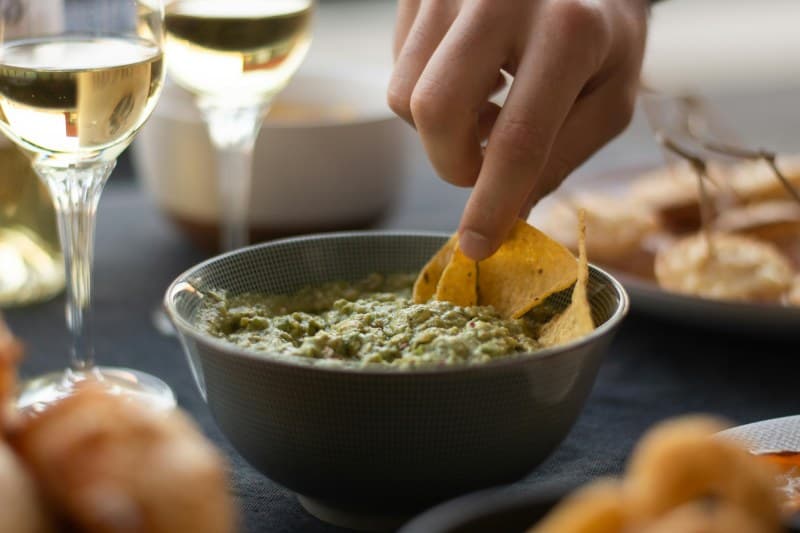
Last summer, I hosted a backyard BBQ and decided to make guacamole for the first time. I grabbed a food processor, threw in avocados, onion, garlic, and lime, and blended until smooth. The result? A pale, baby-food-like mess that my guests politely picked at. My neighbor, a self-proclaimed guac expert, shook her head and said, “You need to use a mortar and pestle—chunks are key.” That day, I learned there’s more than one way to make great guac.
Two Ways to Make Guacamole: Traditional vs. Quick
Guacamole is all about balance—creamy yet textured, tangy yet savory. The two main methods differ in tools and outcome, but both can lead to delicious results.
1. Traditional Mortar-and-Pestle Method 🪨
This method has been used for centuries in Mexico, and for good reason. Mashing avocados by hand with a mortar and pestle releases the fruit’s natural oils slowly, creating a rich, chunky texture. Here’s how:
- Halve 3 ripe avocados, remove pits, and scoop flesh into the mortar.
- Mash until you have large chunks (don’t overdo it).
- Add 1/4 cup finely diced red onion, 1 minced garlic clove, 2 tbsp fresh lime juice, 1 tsp salt, and a handful of chopped cilantro.
- Stir gently to combine—keep the chunks intact.
- Top with diced tomatoes if desired.
2. Quick Food Processor Method 🧑🍳
When you’re short on time (like for a last-minute potluck), the food processor is your friend. It’s fast, but you have to be careful not to over-process. Steps:
- Add 3 ripe avocados (pitted and scooped) to the processor.
- Add 1/4 cup red onion, 1 garlic clove, 2 tbsp lime juice, 1 tsp salt, and cilantro.
- Pulse 2-3 times—stop when you see small chunks. Over-pulsing will turn it into a paste.
- Transfer to a bowl and stir in diced tomatoes.
Method Comparison: Which One Should You Choose?
Here’s a quick breakdown of the pros and cons of each method:
| Aspect | Mortar-and-Pestle | Food Processor |
|---|---|---|
| Texture | Chunky, rustic | Smooth with small chunks (if done right) |
| Time | 5-10 minutes | 2-3 minutes |
| Flavor Depth | Rich, layered (oils released slowly) | Good, but less nuanced |
| Best For | Formal gatherings, authentic taste | Quick meals, potlucks, busy days |
Common Mistakes to Avoid
Even the best methods can go wrong if you make these errors:
- Using unripe avocados: They’re hard and bitter. Look for avocados that yield slightly when pressed.
- Over-processing: Whether with a processor or mortar, too much mashing turns guac into a paste.
- Not enough lime: Lime adds tang and prevents browning. Don’t skimp!
“The only real stumbling block is fear of failure. In cooking, you’ve got to have a what-the-hell attitude.” — Julia Child
This quote sums up guacamole perfectly. Don’t be afraid to experiment—if your first batch isn’t perfect, try again. The best guac is the one you enjoy.
FAQ: Keeping Guacamole Fresh
Q: How do I stop my guacamole from turning brown?
A: The main culprit is air. Here’s what works: 1. Press a layer of plastic wrap directly onto the surface of the guac (no air gaps). 2. Store in an airtight container. 3. Add a thin layer of lime juice or water on top before sealing. The avocado pit trick? It doesn’t actually prevent browning, but it’s a fun tradition—feel free to try it anyway!
Next time you’re craving guac, pick the method that fits your mood and time. Whether you go traditional or quick, you’ll end up with a dish that’s sure to impress. Happy mashing! 🥑