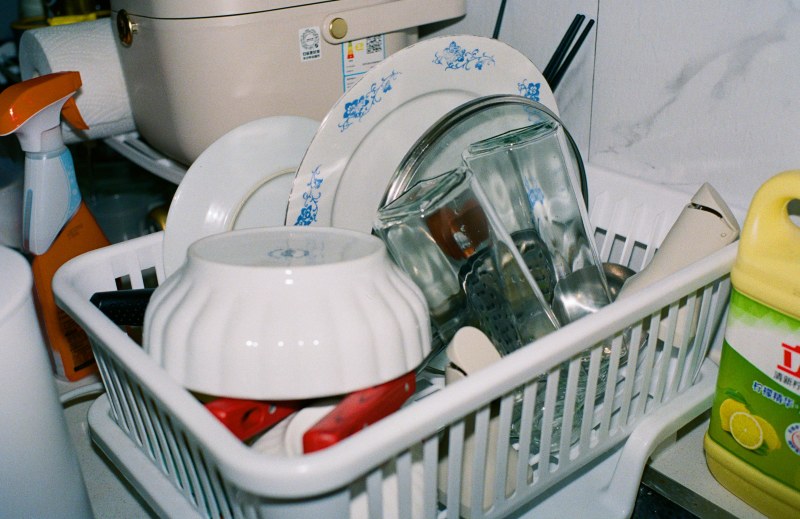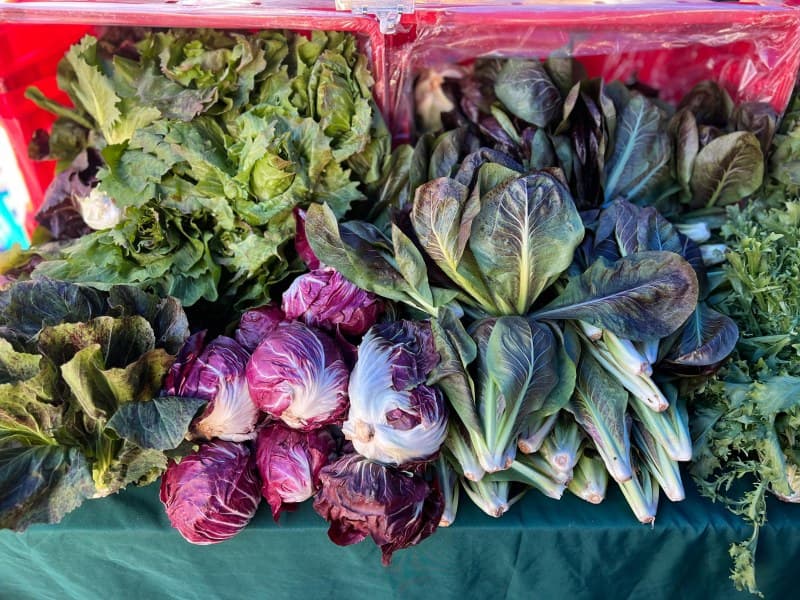
Last week, my friend Sarah texted me in a panic. She’d been washing her toddler’s blueberries with dish soap to get rid of pesticides, but noticed they tasted weird—soapy, even. “Is this safe?” she asked. If you’ve ever wondered the same, you’re not alone. Produce cleaning is rife with myths, from soap to fancy gadgets. Let’s set the record straight.
The Soap Myth: Why It’s a Bad Idea
Many people think dish soap is the best way to remove pesticides or bacteria from produce. But here’s the truth: dish soap is designed for dishes, not food. It can leave residue on fruits and veggies that’s hard to rinse off, and some soaps contain harsh chemicals that aren’t meant to be ingested. The FDA even advises against using soap on produce—cold water is usually enough.
7 Common Produce Cleaning Myths Debunked
- Myth 1: Soap is necessary to kill germs. Truth: Cold water removes 98% of bacteria and dirt. Soap residue is a bigger risk than the germs you’re trying to kill.
- Myth 2: Vinegar removes all pesticides. Truth: Vinegar (1 part vinegar to 3 parts water) can reduce some pesticides, but not all. It’s better for removing dirt and bacteria.
- Myth 3: Pre-washed greens don’t need washing. Truth: Cross-contamination can happen during packaging. A quick rinse adds an extra layer of safety.
- Myth 4: Scrubbing damages produce. Truth: Using a soft brush (like a vegetable brush) on firm produce (carrots, potatoes) helps remove dirt without harming the skin.
- Myth 5: Commercial produce washes are better than water. Truth: Most commercial washes don’t remove more pesticides than cold water. They’re often a waste of money.
- Myth 6: Peeling removes all pesticides. Truth: Peeling can remove some, but pesticides can seep into the flesh of fruits like apples. Washing first is still important.
- Myth 7: Organic produce doesn’t need washing. Truth: Organic produce can still have dirt, bacteria, or bugs. Always wash it!
Effective Produce Cleaning Methods: A Quick Comparison
Not sure which method to use? Here’s a breakdown:
| Method | Pros | Cons | Best For |
|---|---|---|---|
| Cold Water Rinse | Easy, no cost, safe | May not remove all stubborn dirt | All produce (berries, leafy greens) |
| Vinegar Solution (1:3) | Reduces bacteria and some pesticides | Can leave a slight vinegar taste if not rinsed well | Firm produce (apples, cucumbers) |
| Soft Brush Scrub | Removes stubborn dirt from skin | Not suitable for delicate produce (berries) | Root veggies (carrots, potatoes), apples |
| Commercial Produce Wash | Convenient | Expensive, no proven benefit over water | None (save your money!) |
A Classic Take on Clean Produce
“Cleanliness is not next to godliness, it’s part of it.” — John Wesley
This old saying rings true when it comes to produce. Keeping our fruits and veggies clean isn’t just about being tidy—it’s about protecting our health. But as Wesley implies, cleanliness doesn’t have to be complicated. Simple methods like cold water and a soft brush are often all we need.
FAQ: Your Produce Cleaning Questions Answered
Q: Do I really need to wash organic produce?
A: Yes! Organic produce can still have dirt, bacteria, or even small bugs. A quick rinse with cold water (or a vinegar solution for firm produce) will help keep it safe to eat.
Next time you’re standing in the kitchen with a basket of fresh produce, remember: you don’t need fancy tools or harsh chemicals to keep it clean. Stick to cold water, a soft brush for firm veggies, and skip the soap. Your taste buds (and your health) will thank you.