Last Sunday, I rushed to make scrambled eggs before a morning meeting. I cranked the stove to high, whisked the eggs furiously, and stirred nonstop—only to end up with a rubbery, browned mess that tasted like cardboard. I realized I’d been making the same mistake most home cooks do: treating scrambled eggs like a quick afterthought instead of a dish that needs gentle care.
Why Scrambled Eggs Go Wrong: The Science
Eggs are mostly water and protein. When you heat them, the proteins (albumin and globulin) denature—meaning they unfold and link together to form a network. If you cook them too fast or at too high a temperature, this network tightens up, squeezing out water and turning the eggs rubbery. The key is to slow down and let the proteins coagulate gently.
2 Key Techniques to Master Perfect Scrambled Eggs 🍳
These two techniques will transform your eggs from "meh" to restaurant-worthy:
1. Low, Steady Heat
Forget high heat. Cook your eggs over medium-low heat. This gives the proteins time to coagulate slowly, resulting in soft, tender curds. I tested this last week: using low heat, my eggs took 5 minutes instead of 2, but they were fluffy and creamy—no rubberiness in sight.
2. Stir Gently & Stop Early
Stir the eggs every 5-10 seconds with a wooden spoon or spatula. This breaks up the curds into small, uniform pieces. The most important part? Take the pan off the heat when the eggs are still slightly runny. The residual heat will finish cooking them, so they don’t dry out.
Common Myths Debunked
- Myth: Adding milk makes eggs creamier.
Truth: Milk dilutes the egg proteins, leading to watery, grainy eggs. For creaminess, use a splash of heavy cream or crème fraîche, or skip the dairy altogether. - Myth: You have to stir constantly.
Truth: Constant stirring breaks curds into tiny particles, making eggs look like mush. Stirring occasionally gives you nice, fluffy curds.
Mistakes vs. Correct Practices: A Quick Guide
Here’s how to avoid common pitfalls:
| Mistake | Impact | Correct Practice |
|---|---|---|
| High heat | Rubbery, browned eggs | Medium-low heat |
| Over-stirring | Grainy, mushy texture | Stir every 5-10 seconds |
| Adding milk | Watery, diluted eggs | Use heavy cream or skip dairy |
| Taking off heat too late | Dry, crumbly eggs | Stop when slightly runny |
"The only real stumbling block is fear of failure. In cooking, you’ve got to have a what-the-hell attitude." — Julia Child
This quote rings true for scrambled eggs. Don’t be afraid to experiment with heat and stirring—even if you mess up once, you’ll learn what works for you.
FAQ: Your Scrambled Egg Questions Answered
Q: Can I make vegan scrambled eggs using these techniques?
A: Yes! Use crumbled firm tofu, a splash of plant milk, nutritional yeast (for umami), and turmeric (for color). Cook over medium-low heat, stir gently, and stop early—just like with regular eggs. The result is a creamy, satisfying vegan alternative.
Q: How do I get fluffy vs. creamy eggs?
A: For fluffy eggs, whisk them vigorously to incorporate air before cooking. For creamy eggs, whisk lightly and add a bit of heavy cream. Both benefit from low heat and gentle stirring.
Final Tips to Try Today
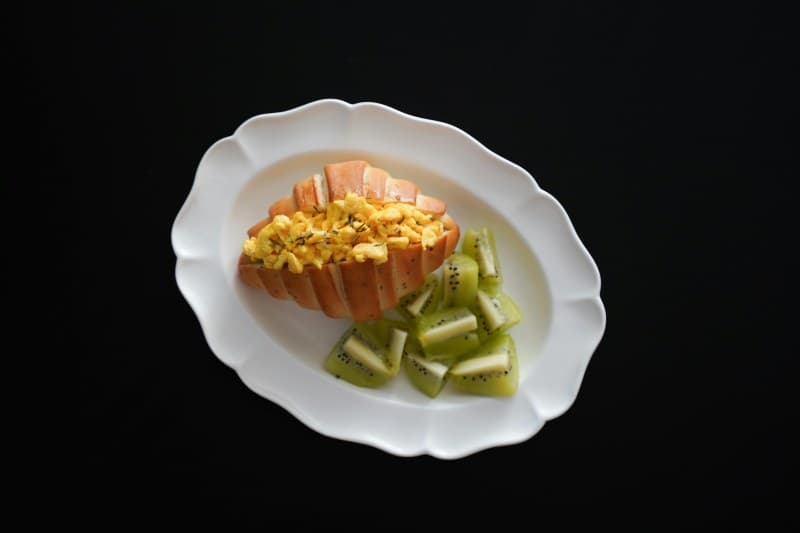
Next time you make scrambled eggs, remember: slow down, use low heat, and stop cooking early. Add a pinch of salt (but wait until after cooking—salt can break down eggs if added too soon) or a sprinkle of chives for extra flavor. You’ll be surprised at how much difference these small changes make.
Happy cooking! 🍳