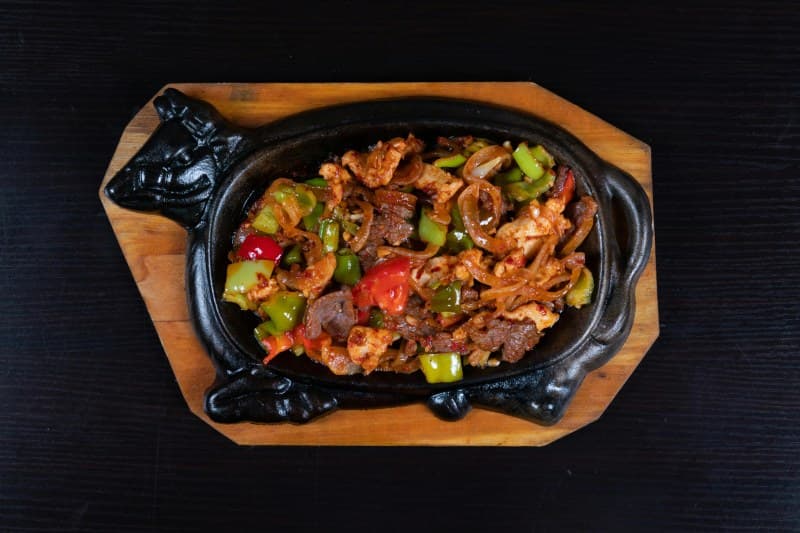
Last week, I decided to impress my roommate with a quick veggie stir-fry. I chopped up bell peppers, broccoli, and snap peas, tossed them into a pan, and waited for that satisfying sizzle. Instead, I got a steamy mess—veggies oozing water, no crispiness, just a sad, soggy pile. If you’ve been there, you know the letdown. But why does this happen, and how can we fix it?
Why Stir-Fry Turns Soggy (The 3 Hidden Culprits)
Before we fix it, let’s understand the problem. Stir-fry gets soggy for three main reasons:
- Overcrowding the pan: When you cram too many veggies into a small space, they release moisture and steam instead of searing. No space = no crisp.
- Wet veggies: Even fresh veggies have hidden water (like washed broccoli or damp bell peppers). This extra moisture turns your stir-fry into a soup.
- Low heat: Stir-fry needs high heat to evaporate water quickly. If your pan isn’t hot enough, veggies stew instead of crisping.
2 Easy Fixes to Get Crispy Stir-Fry Every Time
Now for the good news: these fixes are simple, and you don’t need fancy equipment.
Fix 1: Dry Veggies + High Heat Pan 🔥
First, pat your veggies dry with paper towels—this removes excess moisture. Then, use a large skillet or wok (the bigger the better). Preheat the pan until it’s smoking (yes, smoking!). Add a tablespoon of oil (like sesame or canola), then toss in your veggies. Stir quickly—they should sizzle immediately. If they don’t, your pan isn’t hot enough.
Fix 2: Batch Cook + Hold Veggies 🥦
If you have a small pan, batch cooking is your friend. Cook veggies in small groups (e.g., bell peppers first, then broccoli). Set each batch aside on a plate. Once all veggies are cooked, cook your protein (chicken, tofu, etc.), then add the veggies back in. Finally, pour in your sauce—only at the end! This keeps everything crispy.
Wondering which fix is right for you? Here’s a quick comparison:
| Fix Type | Effort Level | Best For | Pro Tip |
|---|---|---|---|
| Dry Veggies + High Heat | Low (1 extra step) | Large pans/woks | Don’t stir too often—let veggies sear for 30 seconds before flipping. |
| Batch Cook + Hold | Medium (extra steps) | Small pans or large quantities | Use a warm oven (200°F) to keep cooked veggies hot while you finish the rest. |
"The only real stumbling block is fear of failure. In cooking, you've got to have a what-the-hell attitude." — Julia Child
Julia’s right—don’t be scared to turn up the heat or try batch cooking. My first soggy stir-fry taught me that taking those small risks leads to better results.
Common Q&A: Your Stir-Fry Questions Answered
Q: Can I use frozen veggies in stir-fry without making it soggy?
A: Yes! But thaw them completely first, then squeeze out all excess water (use a paper towel or colander). Frozen veggies have more moisture than fresh, so this step is non-negotiable.
Myth Busting: The Sauce Mistake You’re Making
Myth: Adding sauce early infuses veggies with flavor.
Truth: Sauce has water and sugar—adding it too soon makes veggies soggy. Wait until the end to pour in your sauce, then stir quickly to coat. This keeps veggies crispy and flavor intact.
Next time you make stir-fry, remember these tips. No more soggy letdowns—just crispy, flavorful veggies that everyone will love.