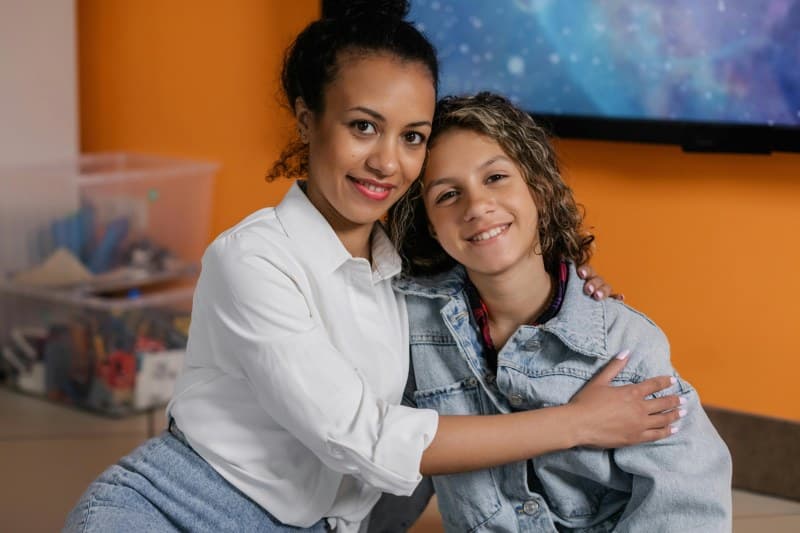
Let’s start with a story we’ve all heard (or lived): Lisa, a mom of 14-year-old Mia, asks, “How was school today?” Mia mumbles “fine” and retreats to her room. Lisa feels a pang—she used to know every detail of Mia’s day, but now there’s a wall between them. This is a classic communication gap, and it’s more common than you think.
What Are Parent-Child Communication Gaps?
Communication gaps are moments when parents and kids fail to understand each other’s needs, feelings, or messages. They aren’t signs of a broken relationship—they’re normal as kids grow and change. But left unaddressed, they can lead to frustration and distance.
2 Key Types of Communication Gaps (and How to Spot Them)
Not all gaps are the same. Here’s a breakdown of the two most common types:
| Type of Gap | Cause | Common Signs | Typical Scenario |
|---|---|---|---|
| Surface-Level Disconnect | Kids craving independence or feeling overwhelmed by constant questions. | Short answers (“fine,” “nothing”), avoiding eye contact, changing the subject. | A parent asks about homework; the child says “done” and turns back to their phone. |
| Emotional Misalignment | Kids struggling to express complex feelings, or parents missing emotional cues. | Kids getting defensive when asked about feelings, parents dismissing kids’ worries as “silly.” | A child is upset about a friend fight, but the parent says “it’s not a big deal” instead of listening. |
Myths About Communication Gaps (Debunked)
Let’s clear up some common misconceptions:
- Myth 1: “If my kid isn’t talking, they don’t trust me.” No—kids often shut down because they don’t have the words to explain how they feel, or they fear being judged. It’s not about trust; it’s about comfort.
- Myth 2: “I need to fix the gap right away.” Gaps take time to bridge. Rushing conversations can make kids feel pressured. Small, consistent efforts work better than one big talk.
Practical Fixes for Each Gap
For Surface-Level Disconnect
Instead of asking generic questions, try specific, low-pressure prompts. For example, instead of “How was school?” ask “What’s one thing that made you laugh today?” or “Did anything surprise you in class?” This gives kids a clear starting point.
For Emotional Misalignment
Practice active listening. When your kid shares, resist the urge to give advice immediately. Instead, say things like “That sounds really frustrating” or “I can see why you’re upset.” This lets them know you’re there to understand, not fix.
Classic Wisdom on Family Communication
“The most important thing in communication is hearing what isn’t said.” — Peter Drucker
This quote hits home for parent-child relationships. Mia might say “fine,” but her slouched shoulders and quiet voice tell Lisa she’s stressed. Learning to read these unspoken cues is just as important as listening to words.
FAQ: Can Communication Gaps Be Fixed Even If They’ve Been Around for Years?
Q: I’ve had a gap with my teen for months. Is it too late to fix it?
A: Never. Start small—like sharing a silly story from your day, or asking them to teach you something (like a phone game). These low-stakes interactions build trust over time. Remember: progress, not perfection, is the goal.
Communication gaps are part of growing up, but they don’t have to stay. With patience, curiosity, and a little effort, you can bridge the distance and strengthen your bond with your child.