Last year, I tried to save $500 for a weekend trip. Every month, I’d set aside $100, but by mid-month, I’d dip into it for coffee runs or impulse buys. Sound familiar? Saving doesn’t have to be about willpower alone—sometimes, small psychological shifts make all the difference.
Trick 1: The "Pain of Payment" Hack 💰
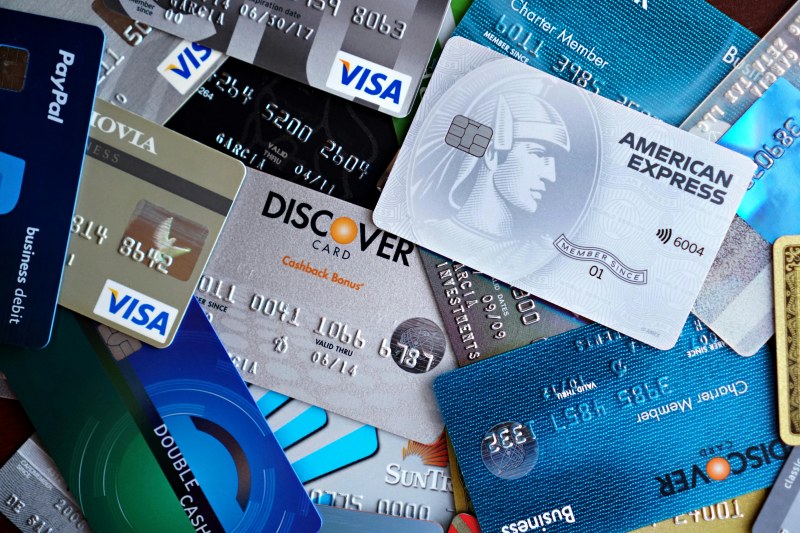
When you use cash, you feel the physical loss of money, which makes you think twice before spending. Card payments feel abstract—swiping a plastic card doesn’t hit the same as handing over a $20 bill. A friend of mine switched to using cash for all daily purchases (coffee, snacks, groceries). She noticed she stopped buying that extra pastry or fancy latte because she had to count out the bills. After 3 months, she saved an extra $180—enough for a new book and a dinner out with friends.
Trick 2: The "Micro-Goal" Method 🎯
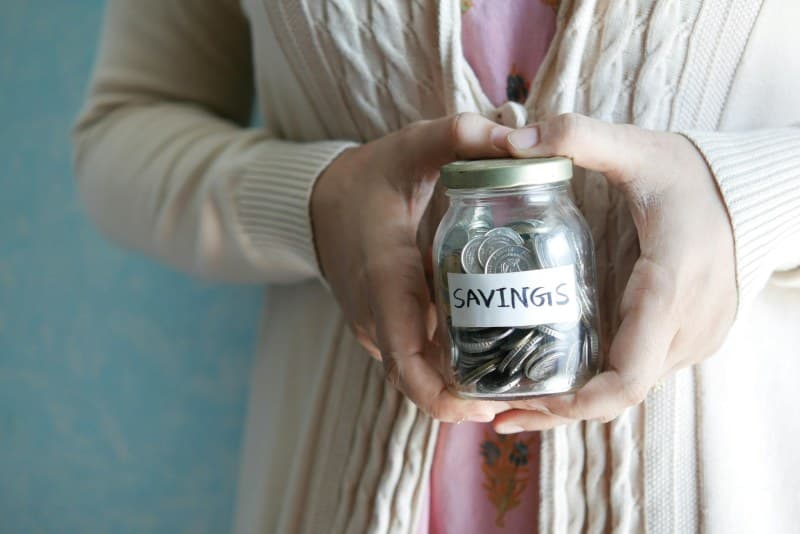
Big savings goals (like $10k for a down payment) can feel overwhelming. Breaking them into tiny, daily targets makes them manageable. Instead of "save $1200 this year", try "save $3.29 a day". It’s so small you barely notice, but adds up over time. My cousin used this for her emergency fund: she put $2 into a jar every time she watched a TV show. In 6 months, she had $360—enough to cover a car repair without going into debt.
Here’s how the two tricks stack up side by side:
| Trick Name | Core Idea | Pros | Cons |
|---|---|---|---|
| Pain of Payment Hack | Use cash to make spending feel more real | Easy to implement, immediate results, reduces impulse buys | Less convenient for online shopping, requires carrying cash |
| Micro-Goal Method | Break big goals into tiny daily/weekly targets | Reduces overwhelm, builds consistent habits, fits any income | Takes time to see big results, requires tracking small amounts |
"A penny saved is a penny earned." — Benjamin Franklin
Franklin’s classic quote reminds us that every small saving counts. The micro-goal method turns those pennies into meaningful amounts over time, while the pain of payment hack helps you hold onto more of those pennies in the first place.
Busting Common Savings Myths 💡
Myth: You need to earn more to save more. Reality: These tricks work regardless of income. Even if you make minimum wage, saving $2 a day adds up to $730 a year. Another myth: Saving means giving up all fun. Reality: The pain of payment hack helps you prioritize fun that matters—like that weekend trip—over random impulse buys.
FAQ: Do These Tricks Work for Irregular Income?
Q: I work freelance, so my income varies month to month. Can these tricks still help?
A: Absolutely! For the micro-goal method, adjust your daily target based on your income that month. If you earn more one month, set a higher daily goal (like $5 instead of $2). For the pain of payment hack, use a prepaid card loaded with your monthly budget for daily expenses—this gives you the same "pain" as cash without carrying physical money.
Saving doesn’t have to be a chore. By using these two psychological tricks, you can build savings habits that stick without feeling restricted. Remember: every small step counts, and the best time to start is now.