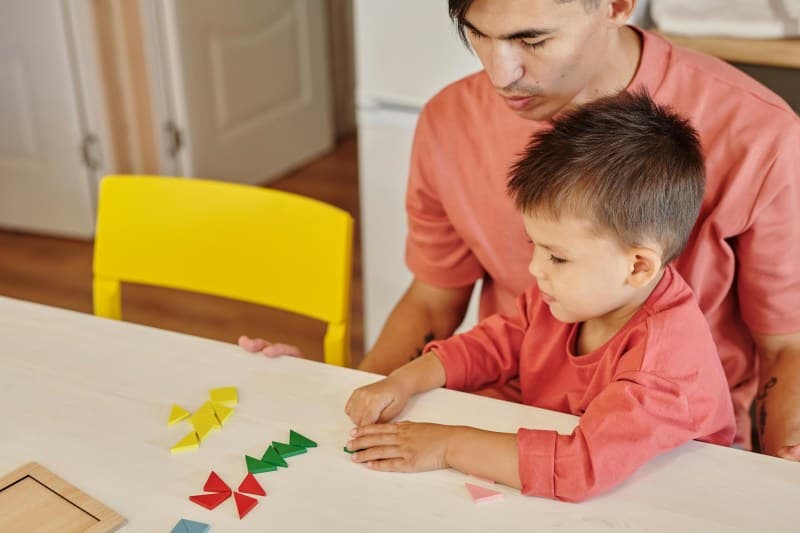
You’re folding laundry while your 8-year-old rambles about their Lego tower that fell apart. You nod, but your mind’s on the grocery list. Suddenly, they stop and say, ‘You don’t even care.’ Ouch. That’s the moment you realize active listening isn’t just about hearing words—it’s about making your kid feel seen.
What Is Parent-Child Active Listening, Really?
Active listening is a way of engaging with your child where you focus fully, show you understand their feelings, and avoid interrupting. Unlike passive listening (nodding while distracted), it uses verbal and nonverbal cues—like eye contact, mirroring phrases, and validation—to confirm you get what they’re saying. It’s not about fixing their problems right away; it’s about creating a safe space for them to share.
6 Common Myths About Parent-Child Active Listening (Debunked)
Let’s clear up some misconceptions with this quick myth vs fact breakdown:
| Myth | Fact |
|---|---|
| I have to agree with everything my kid says. | You don’t need to agree—just validate their feelings. For example: “I get why you’re mad about that, even if I think sharing is good.” |
| It takes too much time. | Even 5 minutes of focused listening can make a big difference. You don’t need an hour—just give them your full attention for a short while. |
| It’s only for big problems. | It works for small moments too, like a broken toy or a bad game at recess. These small moments build trust over time. |
| I need to give solutions right away. | Sometimes, they just need to be heard, not fixed. Wait until they ask for help before offering advice. |
| Young kids don’t need it—they’re too small. | Toddlers and preschoolers benefit most from feeling understood. It helps them learn to express their emotions healthily. |
| It’s the same as just listening. | Active listening involves feedback (like “That sounds frustrating”) to show you’re engaged. Passive listening is just hearing words without responding. |
Practical Hacks to Start Practicing Today
You don’t have to be a pro to try active listening. Here are simple hacks to get started:
- Put down the screen: When your kid talks, set your phone aside and make eye contact. Example: If they’re telling you about school, turn off the TV and sit at their level.
- Use mirroring phrases: Repeat back what they said in your own words. Like, “So your friend didn’t share the crayons, and that made you really upset?”
- Ask open-ended questions: Instead of “Did you have fun at school?” try “What was the most fun thing you did at school today?” This encourages them to share more.
- Validate feelings: Even if you think their problem is small, say things like “That must have been really hard” or “I would feel sad too.”
Real-Life Story: How Active Listening Turned Things Around
Sarah, a mom of a 10-year-old boy named Jake, noticed he was withdrawing. She used to jump in with solutions when he complained about math homework. One day, she tried active listening: she sat down, put her phone away, and let him talk. Jake said he was scared of failing the upcoming test. Instead of giving study tips, Sarah said, “It sounds like you’re really worried about this test. That makes sense.” Jake opened up more, saying he felt stupid because he couldn’t understand fractions. Later, they worked on the homework together—on his terms, taking breaks when he needed. Now, Jake comes to her with problems more often, knowing she’ll listen first before fixing anything.
Classic Quote on Listening
“The most basic of all human needs is the need to understand and be understood. The best way to understand people is to listen to them.” — Carl Rogers
This quote hits home for parent-child relationships. When we take the time to truly listen, we meet that basic need our kids have—feeling understood. It’s not about being a perfect parent; it’s about showing up for them in small, meaningful ways.
FAQ: Common Question About Active Listening
Q: Is active listening just letting my kid talk without saying anything?
A: No! Active listening involves responding to show you’re engaged. For example, nodding, making eye contact, and using phrases like “Go on” or “That sounds hard.” You don’t have to stay silent—you just have to avoid interrupting or jumping to solutions before they’re done. The goal is to make them feel heard, not to stay quiet.
Parent-child active listening isn’t about being perfect. It’s about showing up, even in small moments. Whether it’s a Lego tower disaster or a big test worry, taking 5 minutes to listen can strengthen your bond and make your kid feel loved. Try one hack today—you’ll be surprised at the difference it makes.