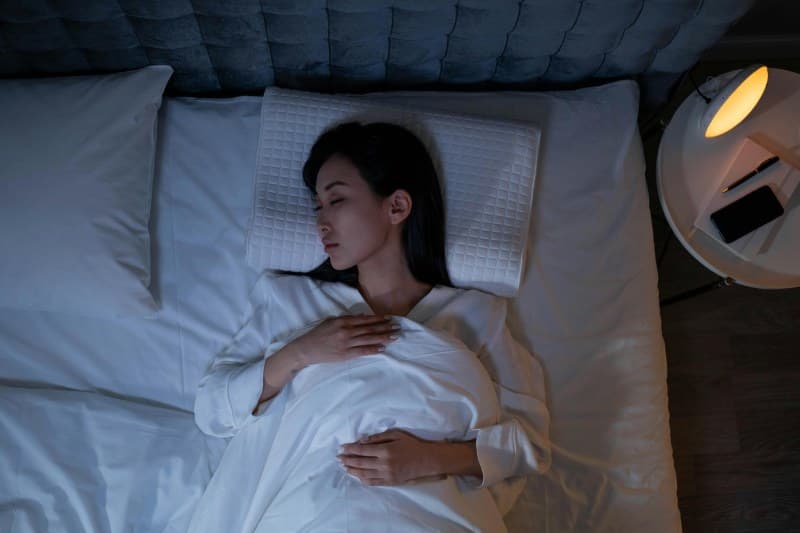
Sarah’s alarm blares at 6 AM, and she hits snooze three times. She went to bed at 10 PM—eight hours, right? But she feels like she didn’t sleep at all. Sound familiar? You might be focusing on sleep duration, but sleep quality is the real game-changer. Let’s dive into what it means, the hidden factors messing it up, and how to fix it.
What Exactly Is Sleep Quality?
Sleep quality refers to how well you sleep, not just how long. It depends on how easily you fall asleep, how few times you wake up during the night, how much deep and REM sleep you get, and how refreshed you feel in the morning. Even if you clock 8 hours, poor quality can leave you groggy.
6 Hidden Factors Sabotaging Your Sleep Quality
Here’s a breakdown of six often-overlooked factors, their impact, and quick fixes:
| Hidden Factor | Impact on Sleep | Quick Fix |
|---|---|---|
| Bedroom Temperature | Too warm (above 67°F/19°C) disrupts deep sleep cycles. | Keep room between 60-67°F; use breathable cotton sheets. |
| Blue Light Exposure | Suppresses melatonin (the sleep hormone), delaying sleep onset. | Avoid screens 1 hour before bed; use blue light filters if needed. |
| Irregular Meal Times | Late heavy meals cause indigestion; sugar spikes lead to nighttime wake-ups. | Eat a light dinner 2-3 hours before bed; skip sugary snacks. |
| Hidden Noise | Faint sounds (AC hum, distant traffic) wake you from deep sleep without you noticing. | Use a white noise machine or earplugs. |
| Mattress Age | Worn-out mattresses cause back pain and frequent tossing/turning. | Replace every 7-10 years; flip/rotate annually. |
| Unresolved Stress | Cortisol (stress hormone) spikes keep your brain alert, making it hard to fall asleep. | Try 10-minute meditation or write down worries before bed. |
Sarah decided to test these fixes. She turned her thermostat down to 65°F, put her phone away an hour early, and swapped her late-night chocolate bar for a small bowl of yogurt. After a week, she woke up without hitting snooze—for the first time in months. Her sleep quality had improved, even though she still slept 8 hours.
Common Sleep Myths Debunked
- Myth: You can catch up on sleep over the weekend. Truth: Irregular sleep schedules disrupt your circadian rhythm, leading to more fatigue and poor focus during the week.
- Myth: Alcohol helps you sleep. Truth: It may make you drowsy, but it reduces REM sleep (the restorative stage), so you wake up tired.
- Myth: Counting sheep works. Truth: It’s a boring task, but it doesn’t actively calm your brain. Try deep breathing instead.
FAQ: Your Sleep Questions Answered
Q: Does drinking warm milk really help with sleep?
A: Warm milk contains tryptophan, an amino acid that helps make melatonin. While it’s not a magic fix, the ritual of drinking it can signal your body it’s time to wind down.
Q: Is it bad to nap during the day?
A: Short naps (20-30 minutes) can boost energy, but long naps (over an hour) or napping late in the day can interfere with nighttime sleep.
Final Thoughts
“Early to bed and early to rise makes a man healthy, wealthy, and wise.” — Benjamin Franklin
Franklin’s words aren’t just about timing—they’re about consistency. A regular sleep schedule (even on weekends) is key to better sleep quality. By addressing these hidden factors and ditching common myths, you can wake up feeling refreshed and ready to take on the day. Remember: small changes can make a big difference.