Sarah laced up her running shoes for a morning 5K, excited to beat her personal best. The sun was already high, so she chugged a bottle of water before heading out. But halfway through, her calves started cramping, and she felt lightheaded. She finished the race, but not with the energy she expected. Later, a trainer told her: she’d forgotten electrolytes. Water alone wasn’t enough to keep her body balanced during the hot run.
Electrolytes are often talked about in fitness circles, but what exactly do they do? And why do they matter so much when you’re moving? Let’s break it down.
What Are Electrolytes?
Electrolytes are minerals in your body that carry an electric charge. When dissolved in water, they help regulate key bodily functions. The main ones for exercise are sodium, potassium, magnesium, and calcium. You lose them through sweat—especially during long or intense workouts, or in hot weather.
2 Key Roles Electrolytes Play During Exercise
Electrolytes aren’t just extra additives—they’re essential for keeping your body running smoothly while you move. Here are the two most critical roles:
1. Nerve and Muscle Function
Every time you move a muscle (like lifting a weight or taking a step), your nerves send signals to your muscle cells. Electrolytes (especially sodium and potassium) help these signals travel quickly and efficiently. Without enough, your muscles can’t contract properly—leading to cramps, weakness, or even muscle spasms (like Sarah’s calf cramp).
2. Fluid Balance
Electrolytes help your body retain the right amount of water. Sodium, for example, acts like a magnet for water, keeping it in your cells and blood vessels. If you lose too much sodium through sweat (and only drink plain water), your body can’t hold onto that water—leading to dehydration, even if you’re drinking a lot. That’s why Sarah felt lightheaded: her fluid balance was off.
Electrolyte Deep Dive: Key Minerals Compared
Not all electrolytes are the same. Here’s a quick comparison of the three most important ones for exercise:
| Electrolyte | Primary Role in Exercise | Common Food Sources |
|---|---|---|
| Sodium | Regulates fluid balance; aids nerve/muscle signals | Table salt, pickles, sports drinks |
| Potassium | Prevents muscle cramps; supports heart function | Bananas, sweet potatoes, spinach |
| Magnesium | Relaxes muscles; boosts energy production | Almonds, avocados, dark chocolate |
Common Myths About Electrolytes (Debunked)
Let’s clear up some misconceptions:
- Myth 1: Sports drinks are the only way to get electrolytes. Nope! You can get them from whole foods like bananas (potassium) or almonds (magnesium). Sports drinks are convenient, but not the only option.
- Myth 2: You only need electrolytes for long workouts. Even short workouts in hot weather can cause you to sweat enough to lose electrolytes. If you’re sweating heavily, it’s worth adding them.
Practical Tips to Keep Electrolytes Balanced
Here are simple ways to make sure you’re getting enough:
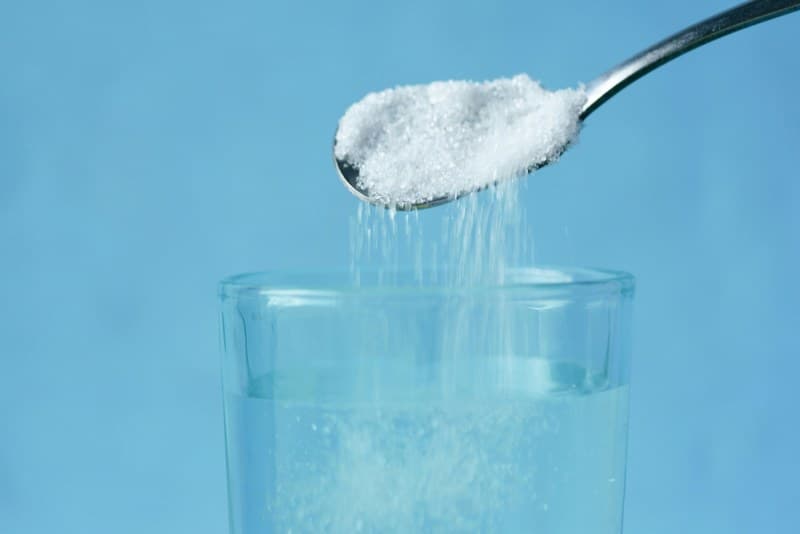
- Drink water with a pinch of salt (for sodium) during long workouts.
- Snack on a banana or handful of almonds before or after exercise.
- Choose a sports drink with electrolytes if you’re working out for over an hour in heat.
FAQ: Do I Need Electrolytes for Short Workouts?
Q: I only exercise for 30 minutes a day—do I still need to worry about electrolytes?
A: It depends. If you’re exercising in a cool environment and not sweating much, plain water should be fine. But if it’s hot, or you’re sweating heavily (even for 30 minutes), adding a small amount of electrolytes (like a pinch of salt in water) can help prevent cramping and fatigue.
“Water is the driving force of all nature.” — Leonardo da Vinci
This quote reminds us that water is essential, but electrolytes are the unsung heroes that make water work for our bodies during exercise. Without them, even the most hydrated person can feel off their game.
Next time you lace up your shoes, remember: balance is key. A little attention to electrolytes can go a long way in keeping you energized and cramp-free. Whether you choose a sports drink or a snack, make sure your body has what it needs to perform its best.