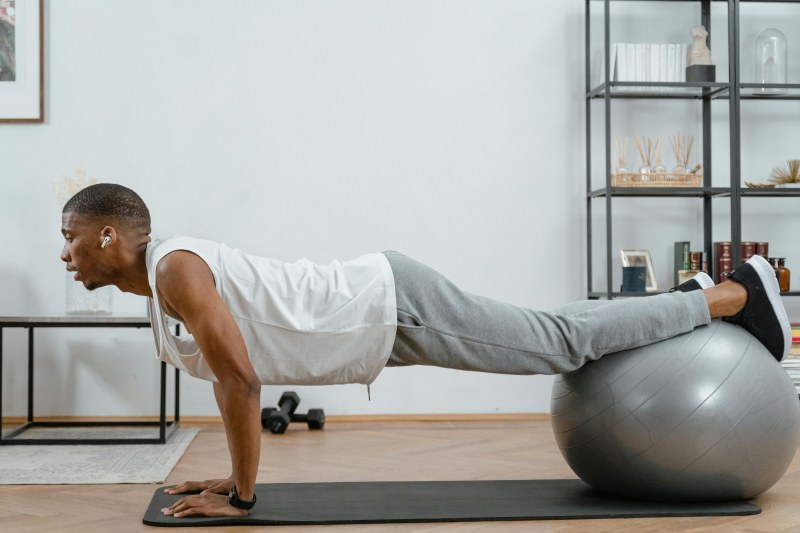
Imagine Sarah, a 28-year-old who finally tried that at-home leg workout she saw online. She did squats, lunges, and glute bridges—nothing too crazy, or so she thought. The next morning, she could barely climb stairs or sit down without wincing. If this sounds familiar, you’ve experienced muscle soreness. But why does it happen, and is there any way to make it better?
What Exactly Is Muscle Soreness?
Muscle soreness comes in two main forms: immediate and delayed. Immediate soreness hits right after your workout—think that burning feeling in your biceps after a set of curls. It usually fades within an hour or two. Delayed Onset Muscle Soreness (DOMS) is the one that creeps up 24-72 hours later, like Sarah’s leg pain. This is the soreness most people talk about.
Immediate vs. DOMS: A Side-by-Side Look
Let’s break down the differences between these two types:
| Feature | Immediate Soreness | DOMS |
|---|---|---|
| When it hits | During/right after workout | 24-72 hours post-workout |
| Cause | Lactic acid buildup | Micro-tears in muscle fibers |
| Duration | 1-2 hours | 3-5 days |
| Feeling | Burning, tightness | Achy, stiff, tender to touch |
7 Key Causes of Muscle Soreness
Here are the main reasons your muscles feel sore after a workout:
- Micro-tears in muscle fibers: When you do new or intense exercises, your muscles stretch and tear slightly. This is normal—your body repairs these tears to make muscles stronger.
- Lactic acid buildup: For immediate soreness, lactic acid (a byproduct of energy production) accumulates in muscles during intense activity.
- Dehydration: Not drinking enough water can make muscles feel tight and sore.
- Overuse: Repeating the same movement too many times (like running a long distance) can strain muscles.
- New exercises: Your body isn’t used to the movement, so it reacts with soreness.
- Insufficient warm-up: Skipping warm-ups means muscles are cold and more prone to injury and soreness.
- Muscle fatigue: When muscles are tired, they can’t contract properly, leading to soreness.
Myths to Bust About Muscle Soreness
Let’s set the record straight on some common misconceptions:
- Myth: Soreness means a good workout. Not necessarily. You can have an effective workout without feeling sore (like consistent strength training). Soreness is just a sign your muscles are adapting.
- Myth: Lactic acid causes DOMS. No—lactic acid is gone within hours. DOMS is from micro-tears.
- Myth: You should rest completely until soreness is gone. Light movement (walking, yoga) can actually help reduce soreness by increasing blood flow.
Practical Tips to Ease Soreness 💡
Here are 7 ways to feel better faster:
- Stay hydrated: Drink water to help flush out toxins and keep muscles flexible.
- Foam rolling: Use a foam roller to massage sore areas—this breaks up tight muscle knots.
- Light stretching: Gentle stretches (like hamstring stretches for leg soreness) can improve blood flow.
- Heat therapy: A warm bath or heating pad can relax tight muscles.
- Protein intake: Eat protein (like chicken, beans, or Greek yogurt) to help repair muscle fibers.
- Rest: Give your muscles time to recover—don’t do the same intense workout again too soon.
- Anti-inflammatory foods: Eat foods like turmeric, ginger, or leafy greens to reduce inflammation.
“Rest is not idleness, and to lie sometimes on the grass under trees on a summer's day, listening to the murmur of water, or watching the clouds float across the sky, is by no means a waste of time.” – John Lubbock
This quote reminds us that rest is an essential part of fitness. You can’t build strong muscles without giving them time to recover.
FAQ: Your Burning Questions Answered
Q: Is it okay to workout with sore muscles?
A: Yes, but be smart. If your muscles are sore, try a low-intensity workout that targets different muscle groups (like swimming if your legs are sore). Avoid heavy lifting or intense cardio for the sore area until the pain fades.
Muscle soreness is a normal part of working out, but it doesn’t have to be a nightmare. By understanding why it happens and using these tips, you can recover faster and keep moving toward your fitness goals. Remember: balance is key—push yourself, but don’t forget to rest.