If you’ve ever laced up your shoes for a tough workout or race, you know the post-session feeling: sore muscles, a tired body, and the urge to collapse on the couch. But is that couch the best place to recover? Or should you keep moving? Turns out, there are two main ways to bounce back—active and passive recovery. Let’s break them down.
The Two Core Recovery Approaches: Active vs. Passive
Recovery isn’t just about resting—it’s about choosing the right type of rest for your body’s needs. Here’s how the two main approaches stack up:
| Approach | What It Does | Pros | Cons | Best For |
|---|---|---|---|---|
| Active Recovery | Light movement (walking, swimming, yoga) that boosts blood flow to sore muscles, helping remove waste like lactic acid. | Reduces stiffness, improves flexibility, keeps you moving without overtraining. | Can lead to fatigue if intensity is too high; not ideal for severe injuries. | Post-moderate workouts, days after a race, or when you want to stay active. |
| Passive Recovery | Resting (sleeping, lying down) or using tools like foam rollers/ice packs to let muscles repair without stress. | Allows full rest for tired bodies; essential for intense training or injury recovery. | May cause stiffness if overdone; doesn’t boost blood flow as much. | Post-marathons/heavy lifts, injury recovery, or extreme fatigue. |
Common Myths Debunked
Let’s clear up some misconceptions about recovery:
- Myth: Rest means doing nothing. Truth: Active recovery is a form of rest that helps more than just lying down—it keeps blood flowing and reduces soreness.
- Myth: Ice is the only way to fix soreness. Truth: Heat works for chronic soreness (it increases blood flow), while ice is better for acute injuries (reduces swelling).
A Timeless Take on Recovery
“Rest is not idleness, and to lie sometimes on the grass under trees on a summer's day, listening to the murmur of water, or watching the clouds float across the sky, is by no means a waste of time.” — John Lubbock
This quote reminds us that passive recovery isn’t lazy—it’s a necessary part of healing. Even elite athletes need days to relax and let their bodies rebuild.
Real-Life Story: Sarah’s Recovery Win
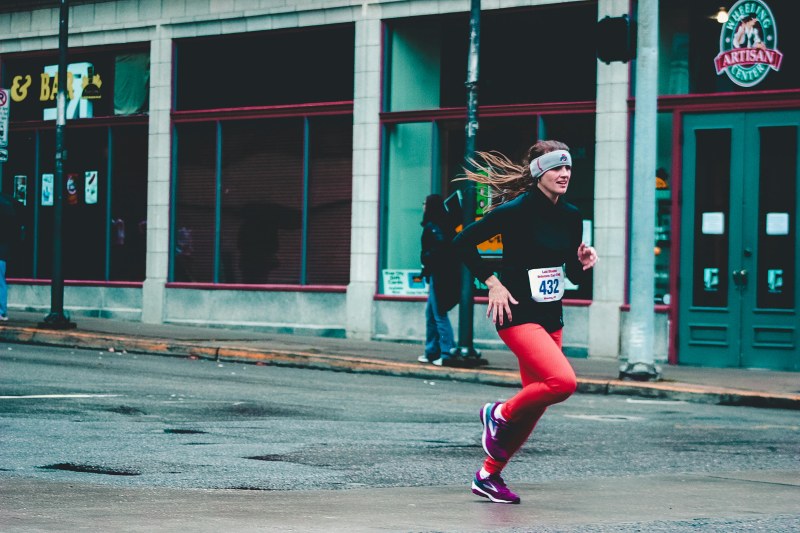
Sarah, a 32-year-old 10k runner, used to spend race days followed by couch sessions. But her muscles stayed sore for days, and her next training run felt harder. A coach suggested adding active recovery: 20-minute walks and 10 minutes of yoga the day after races. Within a month, her soreness faded faster, and her pace improved by 10 seconds per mile. She still takes one full rest day weekly, but active recovery made a huge difference.
FAQ: Your Recovery Questions Answered
Q: How do I choose between active and passive recovery?
A: It depends on intensity. For light jogs, active recovery (stretching) works. For marathons, passive recovery (sleep) is key. Mix both for best results.
Q: How much sleep do I need for recovery?
A: Most athletes need 7-9 hours nightly. Sleep is when your body repairs muscles and releases growth hormone.
Recovery is just as important as your workout. By mixing active and passive methods, you’ll bounce back faster and perform better. So next time you finish a tough session, ask: Do I need to move or rest? The answer might be a little of both.