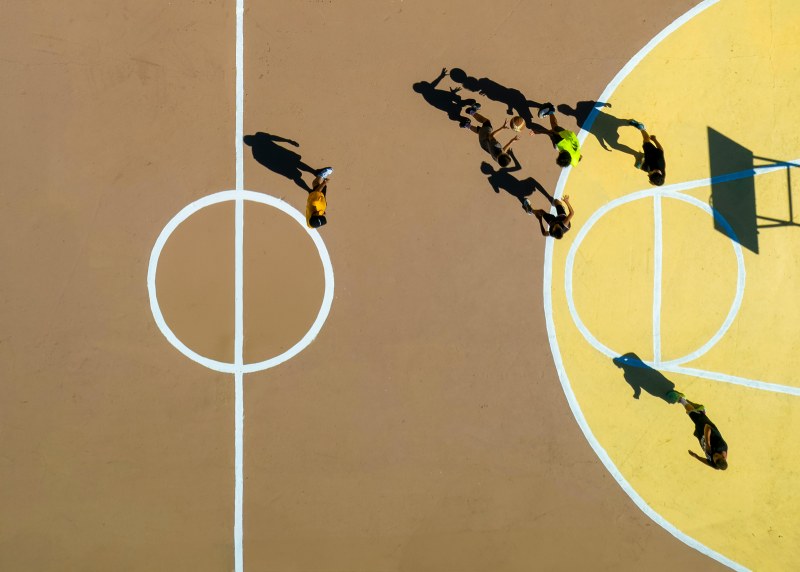
Ever walked past a local park and seen a group playing soccer or volleyball, thinking, “I wish I could join, but…”? Maybe you told yourself you’re too out of shape, too old, or don’t know the rules. You’re not alone—these myths keep millions from enjoying the fun and benefits of recreational sports.
4 Myths Holding You Back From Recreational Sports
Myth 1: I’m too out of shape to join
Many people think you need to be in peak fitness to play a sport. But recreational leagues are designed for everyone—from couch potatoes to casual walkers. Take Mike, 45, who joined an over-40 basketball league last year. He hadn’t played since high school and could barely run a lap. But the league’s slow pace and supportive teammates let him build stamina gradually. Now, he looks forward to weekly games.
Myth 2: I’m too old to try a new sport
Age is just a number when it comes to recreational sports. Leagues often have age-specific divisions (like 35+ softball or 50+ tennis) where players are at similar stages. A friend of mine, Linda, started playing pickleball at 62. She had never held a paddle before, but the local senior center offered beginner classes. Now she’s part of a team and travels to nearby tournaments for fun.
Myth 3: I need to know all the rules first
You don’t have to be a rulebook expert to join. Most leagues offer a quick pre-game briefing, and teammates are happy to explain things mid-play. Drop-in sessions are perfect for learning—no commitment, just practice. I remember joining a frisbee golf league without knowing how to score. A fellow player walked me through each hole, and by the end of the day, I was hooked.
Myth 4: It’s too competitive
Recreational sports are about fun, not winning. Many leagues don’t keep score, or they emphasize teamwork over results. For example, a local soccer league I joined had a “no winning” policy—we played to pass the ball and laugh, not to get a trophy. It was a breath of fresh air compared to the competitive sports I played as a kid.
Let’s break down each myth and turn it into a confidence-building truth:
| Myth | Reality | Confidence Tip |
|---|---|---|
| I’m too out of shape to join. | Recreational leagues welcome all fitness levels—many players start with zero experience. | Try low-intensity sports like disc golf or walking soccer first. |
| I’m too old to try a new sport. | Age-specific divisions and beginner programs cater to older players. | Look for “adult beginner” classes at community centers. |
| I need to know all the rules first. | Leagues teach rules pre-game, and teammates help you learn. | Join a drop-in session to practice without pressure. |
| It’s too competitive. | Most recreational leagues prioritize fun over winning. | Ask organizers about the league’s vibe before joining. |
“It does not matter how slowly you go as long as you do not stop.” — Confucius
This quote sums up the spirit of recreational sports. You don’t have to be fast or skilled on day one—what matters is showing up and keeping at it. Every small step (like making a pass or catching a ball) is a win.
Confidence Boosters to Take the Plunge
- 💡 Start small: Try a one-time drop-in session instead of a full season. It’s low commitment and lets you test the waters.
- 🤝 Bring a buddy: Having someone you know makes the first game less scary. Plus, you can laugh at mistakes together.
- 🎯 Focus on progress: Celebrate small wins—like hitting a serve or running a full quarter. Progress beats perfection.
FAQ: Your Burning Questions Answered
Q: What if I make a mistake during a game?
A: Everyone makes mistakes! Recreational leagues are safe spaces—teammates will encourage you, not judge. I once tripped over my own feet during a soccer game, and the whole team laughed (in a good way) and helped me up. It became a running joke that bonded us.
Q: How do I find a league near me?
A: Check local community centers, sports apps like Meetup or LeagueApps, or ask friends. Look for leagues labeled “beginner-friendly” or “social” to ensure a low-pressure environment.
At the end of the day, recreational sports are about connecting with others, staying active, and having fun. Don’t let myths hold you back—take that first step, and you might just find your new favorite hobby.