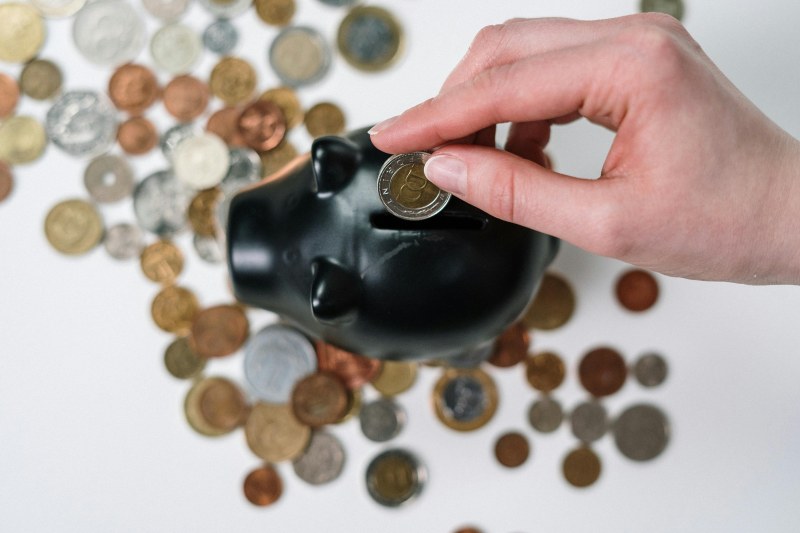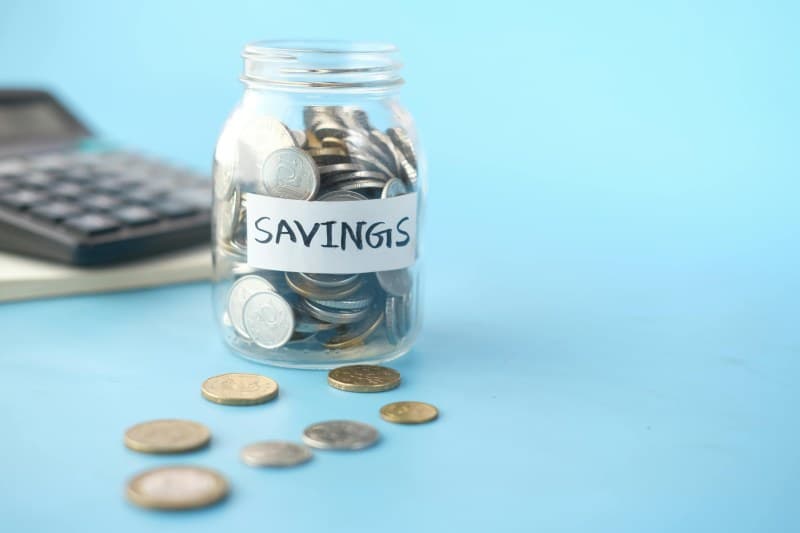
We’ve all heard the advice: save more. But for many of us, the idea of putting away $100 a month feels impossible. What if I told you that saving $2 a day—less than a cup of coffee—could add up to over $700 a year, plus interest? That’s the magic of micro-savings: tiny, consistent deposits that build up over time without feeling like a burden.
What is micro-savings?
Micro-savings is exactly what it sounds like: setting aside small amounts of money (think $1, $5, or even change from purchases) on a regular basis. Unlike traditional savings, which often requires a minimum deposit or fixed monthly amount, micro-savings is flexible and low-pressure. It’s about making saving a habit, not a chore.
5 surprising benefits of micro-savings
1. Builds your saving muscle 💪
Just like going to the gym, saving regularly—even small amounts—strengthens your financial discipline. Over time, you’ll find it easier to set aside money without thinking twice. For example, if you round up every purchase to the nearest dollar and save the difference, it becomes an automatic habit.
2. Reduces decision fatigue 🧠
When you set up automatic micro-savings (like rounding up purchases or daily transfers), you eliminate the need to decide whether to save each day. This takes the mental load off and ensures you’re consistently putting money away.
3. Leverages compound interest 💰
Compound interest is the interest you earn on both your initial deposit and the interest it accumulates. Even small amounts grow significantly over time. For instance, $2 a day at a 3% annual interest rate becomes $752 after one year, and over $8,000 after 10 years (assuming no additional deposits).
4. Makes goals feel achievable 🎯
Want to save for a vacation or a new laptop? Breaking the goal into tiny daily amounts makes it less intimidating. Instead of needing $1,000 upfront, saving $3 a day gets you there in less than a year.
5. Acts as a safety net for small emergencies 🛡️
Micro-savings can help you cover unexpected costs like a flat tire or a minor medical bill without relying on credit cards. Having even a small buffer can prevent you from falling into debt.
Let’s see how micro-savings stacks up against traditional savings for beginners:
| Aspect | Micro-savings | Traditional Savings |
|---|---|---|
| Initial Barrier | Low (start with $1 or less) | High (often requires $50+ initial deposit) |
| Consistency | Easy (automatic transfers/round-ups) | Harder (requires manual monthly deposits) |
| Psychological Impact | Low stress (small amounts don’t feel like a sacrifice) | High stress (large amounts may feel restrictive) |
| Emergency Use | Ideal for small, unexpected costs | Better for larger emergencies (e.g., job loss) |
| Compound Interest Growth | Slow but steady (over time adds up) | Faster (larger deposits mean more interest) |
“A penny saved is a penny earned.” — Benjamin Franklin
Franklin’s timeless wisdom perfectly applies to micro-savings. Every small cent you save today is money you’ll have tomorrow, and with compound interest, those pennies can turn into dollars.
Take Sarah, a college student who started rounding up her purchases to the nearest dollar using a micro-savings app. After one year, she had saved $730 plus $22 in interest. When her laptop broke, she used that money to buy a new one without taking out a loan. “I never thought saving change would make such a difference,” she said. “It felt like free money!”
Common question about micro-savings
Q: Can micro-savings really help me reach big financial goals?
A: Yes! While micro-savings alone may not fund a down payment on a house, it’s a great way to start building a habit and save for smaller goals (like a vacation or emergency fund). You can combine it with traditional savings for larger goals.
How to begin micro-savings today
Getting started is easy:
- Use a micro-savings app that rounds up your purchases.
- Set up a daily automatic transfer of $1-$5 to your savings account.
- Save your loose change in a jar and deposit it monthly.
Micro-savings isn’t about getting rich quick—it’s about building a sustainable saving habit that grows over time. Whether you’re saving for a rainy day or a dream vacation, every small deposit counts. So why not start today? Even $1 a day can make a big difference.