Ever stared at your bank account at the end of the month, wondering where all your cash went? You meant to save, but those $5 coffees and sale shirts added up. The good news: saving doesn’t have to depend on sheer willpower. There are simple psychology tricks that make saving feel easier, not like a chore.
The Two Psychology Hacks That Work
1. The "Pain of Paying" Hack
When you use cash instead of cards, you feel the loss of money more acutely. Studies show people spend up to 30% less when using cash because it’s tangible—you can see the bills leave your hand. For example, if you set a cash envelope for dining out each week, you can’t overspend beyond what’s in the envelope. This hack turns abstract spending into something concrete.
2. The "Small Wins" Hack
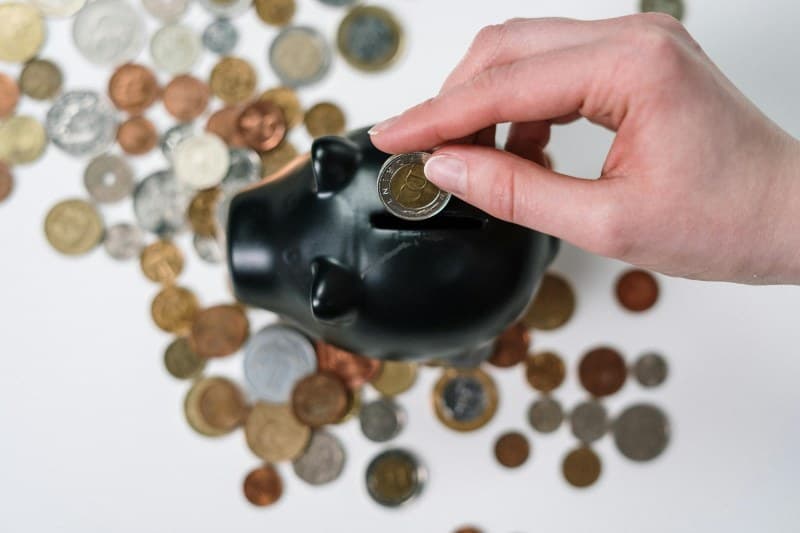
Our brains love small, achievable goals. Breaking a big savings target (like $1,000 for a vacation) into tiny steps (like $5 a day) makes it feel doable. Each time you hit a small goal, your brain releases dopamine, keeping you motivated. Try putting $2 into a jar every time you skip a snack run—over time, those small amounts add up.
How the Hacks Compare
Here’s a quick breakdown of the two hacks to help you choose which to try first:
| Hack | Effort Level | Impact Speed | Implementation Tip |
|---|---|---|---|
| Pain of Paying | Low (swap cards for cash) | Immediate (spend less right away) | Start with 1-2 variable expenses (dining out, snacks) using cash envelopes. |
| Small Wins | Medium (track tiny savings) | Short-term (motivation builds in weeks) | Use a physical jar to collect coins/bills for daily small savings goals. |
A Classic Quote to Remember
"Do not save what is left after spending, but spend what is left after saving." — Warren Buffett
This quote aligns perfectly with both hacks. The pain of paying helps you spend less, so you have more to save. The small wins hack makes saving first feel manageable, not overwhelming.
Real-Life Example: Sarah’s Japan Trip
Sarah, a high school teacher, wanted to save for a trip to Japan but struggled to put money aside. She tried the pain of paying: each week, she took out $100 cash for dining out. No more swiping her card for impromptu meals. For small wins, she put $5 into a jar every time she made coffee at home instead of buying it. After 8 months, she had $1,200—enough for her round-trip flight. "It didn’t feel like I was sacrificing anything," she said. "The small steps kept me going."
FAQ: Do These Hacks Work for Irregular Incomes?
Q: Can these hacks help if my income varies (like freelance work or part-time jobs)?
A: Yes! For the pain of paying, allocate a percentage of each paycheck (e.g., 15%) to cash envelopes for variable costs. For small wins, save a fixed tiny amount (like $2) every time you complete a task (e.g., finish a freelance project) — no matter how much you earned that day. This keeps the habit consistent, even when income fluctuates.
Debunking a Common Saving Myth
Myth: Willpower is the only way to save.
Truth: Willpower is a limited resource. By using psychology hacks, you reduce the need to rely on it. The pain of paying makes overspending harder, and small wins keep you motivated without constant self-control. You don’t have to be "good with money"—you just need to work with your brain.
Try one of these hacks this week. Whether it’s using cash for snacks or saving $2 a day, you’ll be surprised at how quickly the savings add up. Saving doesn’t have to be hard—it just has to be smart.