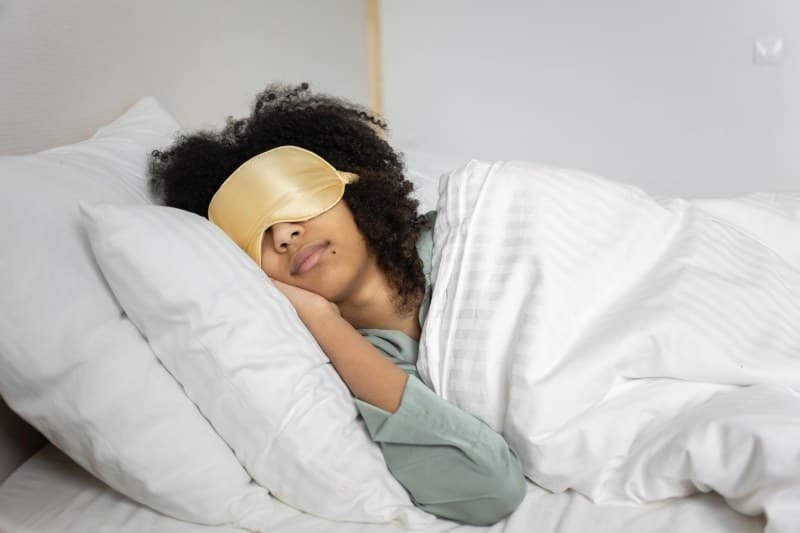
Sarah, a 22-year-old graphic designer, used to scroll through Instagram and TikTok until 1 AM every night. She’d lie in bed, eyes glued to her phone, then toss and turn for an hour before falling asleep. When she woke up at 7 AM for work, she felt groggy—like she’d never really rested. Sound familiar? If you’ve ever struggled to sleep after using screens, you’re not alone. Let’s break down the two key ways screen time disrupts sleep, debunk some myths, and share simple fixes.
The Two Big Ways Screen Time Ruins Your Sleep
1. Blue Light Suppresses Melatonin
Your body’s sleep-wake cycle (circadian rhythm) relies on melatonin, a hormone that signals it’s time to wind down. Screens emit blue light, which tricks your brain into thinking it’s still daytime. This suppresses melatonin production, making it harder to fall asleep. Studies show even 30 minutes of screen time before bed can reduce melatonin levels by up to 22%—a big hit to sleep quality.
2. Mental Stimulation Keeps Your Brain On High Alert
It’s not just the light. Scrolling social media, watching a thrilling show, or playing a competitive game activates your brain. Your mind processes information, reacts to notifications, or feels emotions like excitement or stress. This keeps your brain alert, making it tough to switch to “sleep mode.” Even if you turn off the screen, your brain might take hours to calm down.
Myth vs. Fact: Common Screen Time & Sleep Misconceptions
Let’s clear up confusion with this quick table:
| Myth | Fact |
|---|---|
| Blue light filters fix all screen-related sleep issues. | Filters reduce blue light but don’t stop mental stimulation from apps/shows. |
| Watching TV in bed is okay because it’s not a phone. | TV emits blue light too, and content can be mentally stimulating. |
| Using screens in the morning doesn’t affect sleep. | Early morning blue light helps regulate your circadian rhythm (a good thing!). |
Practical Fixes to Get Better Sleep
You don’t have to give up screens entirely. Try these simple changes:
- Wind down screen-free: Stop using screens 20-30 minutes before bed. Read a physical book, listen to soft music, or do gentle stretching instead.
- Adjust device settings: Use “night mode” or blue light filters on your phone/laptop to reduce evening blue light emission.
- Keep screens out of the bedroom: Charge your phone outside your room or use an alarm clock instead. This eliminates the temptation to scroll at night.
A Word From the Wise
“Rest is not idleness, and to lie sometimes on the grass under trees on a summer's day, listening to the murmur of the water, or watching the clouds float across the sky, is by no means a waste of time.” — John Lubbock
Lubbock’s words remind us rest is essential. Screen time often replaces quiet, restful moments. Small changes to your evening screen habits can help you reclaim sleep and wake up refreshed.
FAQ: Your Screen Time & Sleep Questions Answered
Q: Is it okay to use a tablet to read e-books before bed?
A: It depends. E-readers like Kindle Paperwhite emit little to no blue light, so they’re better than phones. If using a tablet, enable blue light filters and choose calm content (not thrillers) to avoid mental stimulation.
Q: How long does it take for melatonin levels to recover after screen time?
A: It varies, but studies suggest melatonin levels return to normal within 1-2 hours after stopping screen use. That’s why a 20-30 minute wind-down works well.
Sarah tried the screen-free wind-down and night mode. After a week, she fell asleep 15 minutes faster and woke up more energized. Small changes make a big difference. Tonight, try putting your phone away a little earlier—your sleep will thank you.