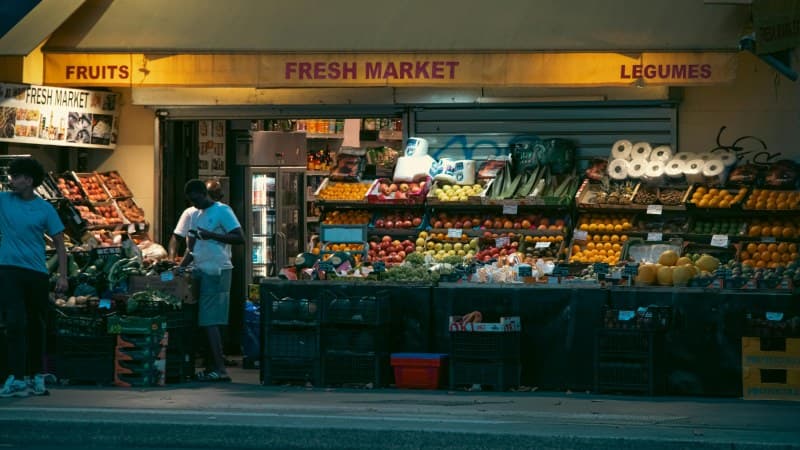
Last year, I wandered into a Chiang Mai night market eager to buy a handwoven scarf. I started by offering half the asking price, thinking that’s how bargaining works. The vendor’s smile faded, and she shook her head. A local nearby whispered, ‘She makes those herself—offer a little less, but be kind.’ I adjusted my offer, and we settled on a price that felt fair. That day, I learned local markets aren’t just about buying things—they’re about connecting.
6 Myths About Local Markets (And The Truth)
Let’s bust some common misconceptions that might hold you back from enjoying these vibrant spots:
| Myth | Fact | Why It Matters |
|---|---|---|
| You have to bargain for everything | Fixed prices are common for small items (e.g., snacks, postcards) or in tourist-heavy areas | Pressuring vendors for discounts on cheap goods can feel disrespectful |
| Local markets are unsafe for tourists | Most are safe if you keep an eye on your belongings (like any busy place) | Avoiding markets means missing out on authentic food and crafts |
| All market food is unhygienic | Look for vendors with long lines—they’re usually selling fresh, popular items | Fresh local street food is one of the best parts of travel |
| You need to speak the local language | Hand gestures, smiles, and basic phrases (hello, thank you) go a long way | Communication is more about respect than perfect grammar |
| Markets only sell fresh produce | Many offer handmade crafts, vintage clothes, and unique souvenirs | Great place to find one-of-a-kind gifts that support local artisans |
| Arrive early for the best deals | Late afternoon/evening often has discounts on leftover items (e.g., fruits, baked goods) | Save money and get fresh leftovers to enjoy later |
Cultural Etiquette to Keep in Mind
Small acts of respect can make your market visit smoother and more enjoyable:
- ✨ Greet vendors first (use a local hello like “sawasdee” in Thailand or “hola” in Mexico)
- 🍉 Don’t touch produce or crafts without asking—some items are fragile or sacred
- 💸 Use cash if possible—many vendors don’t accept cards
- 🙏 If you’re not buying, say “no thank you” politely instead of walking away
Budget Hacks for Market Travel
You don’t have to spend a lot to enjoy local markets:
1. Go late: Vendors often discount items before closing to avoid taking them home.
2. Buy in bulk: For snacks like nuts or dried fruit, buying a larger bag is cheaper per unit.
3. Ask locals: They know which vendors offer the best quality at fair prices.
4. Skip tourist traps: Walk a few blocks away from main attractions to find cheaper, more authentic markets.
FAQ: Navigating Markets Without Local Language
Q: What if I don’t know the local currency or how much to pay?
A: Before you go, check the exchange rate and ask your hotel staff or a local what a reasonable price is for common items (like a coconut or a t-shirt). You can also use a currency converter app to show the vendor the amount you’re offering.
“Markets are the heart of a community—they pulse with life, stories, and the taste of home.” — Unknown Travel Writer
Local markets are more than just places to shop—they’re windows into a culture’s daily life. Next time you travel, skip the tourist shops and head to a market. You might leave with a souvenir, a full stomach, and a story to tell.