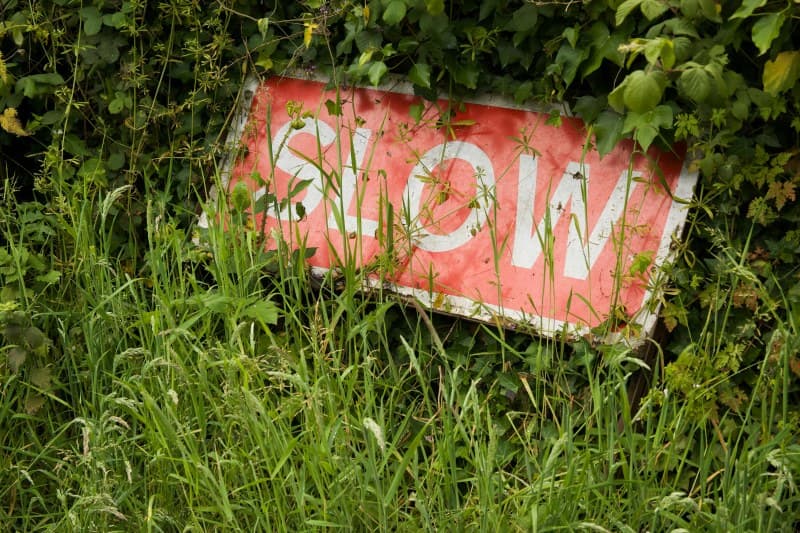
Last summer, my friend’s family of four packed their bags for Tuscany. Their initial plan? Hit Florence’s Uffizi Gallery at 9 AM, drive to Siena for lunch, then visit a vineyard by 4 PM. By midday, the kids were crying, the parents were bickering, and none of them could remember the art they’d seen. The next day, they scrapped the itinerary. They spent the whole day in a tiny hill town: helping a local farmer pick olives, learning to make pasta from a nonna in her kitchen, and chasing fireflies at dusk. That day became their favorite memory of the trip. That’s slow family travel in action.
What Exactly Is Slow Family Travel?
Slow family travel is about ditching the ‘checklist’ mindset and taking time to connect with a place and each other. It’s not about how many landmarks you see—it’s about the moments you share: a spontaneous picnic in a park, a conversation with a local shopkeeper, or a kid’s joy at catching a frog in a stream. It’s travel that prioritizes quality over quantity.
3 Key Benefits of Slow Family Travel
Slow travel changes the way your family experiences a trip. Here’s how it compares to fast, checklist-style travel:
| Aspect | Slow Family Travel | Fast Family Travel |
|---|---|---|
| Stress Level | Low (flexible schedule, no rush) | High (tight deadlines, constant moving) |
| Memory Retention | High (deep, meaningful experiences) | Low (blur of sights, no time to process) |
| Local Connection | Strong (interact with locals, learn culture) | Weak (mostly tourist spots, little interaction) |
| Daily Cost | Often lower (less transport, home-cooked meals) | Higher (more transport, entry fees, restaurant meals) |
Busting Common Myths About Slow Family Travel
Let’s clear up some misconceptions:
- Myth 1: It’s too expensive. Truth: Slow travel can save money. Stay in an Airbnb apartment (cook your own meals) instead of a hotel. Skip expensive tourist attractions for free activities like hiking or visiting a local market.
- Myth 2: It’s boring for kids. Truth: Kids thrive on unstructured time. Chasing bugs, playing with local kids, or helping make bread—these are the moments they’ll remember.
- Myth 3: You need weeks to do it. Truth: Even a 3-day weekend in a nearby town can be slow travel. Pick one activity per day and leave room for spontaneity.
Practical Tips to Start Slow Family Travel
Ready to try slow travel with your family? Here are simple steps:
- Pick one main activity per day (max). For example, visit a museum in the morning, then have the afternoon free to explore a park.
- Let your kids choose one activity. If they want to spend an hour at a playground instead of a cathedral, go with it—they’ll be happier and more engaged.
- Stay in a residential area. You’ll get a better sense of local life and find cheaper, more authentic meals.
- Try a local meal at a family-run restaurant. Ask for kid-friendly options—many locals love sharing their food with children.
FAQ: Your Slow Family Travel Questions Answered
Q: Can we do slow travel if we’re on a tight budget?
A: Absolutely! Slow travel often saves money. For example, instead of flying to multiple cities, pick one and explore its surroundings. Cook at home instead of eating out every meal. Many local experiences (like hiking, visiting a market) are free or low-cost.
Final Thoughts: The Journey Over the Destination
“Traveling—it leaves you speechless, then turns you into a storyteller.” — Ibn Battuta
This quote rings true for slow family travel. When you take time to immerse yourself, you don’t just collect photos—you collect stories to share for years. Next time you plan a family trip, skip the packed itinerary. Give yourself permission to slow down. You might be surprised at how much more you enjoy the journey—and how many memories you make.