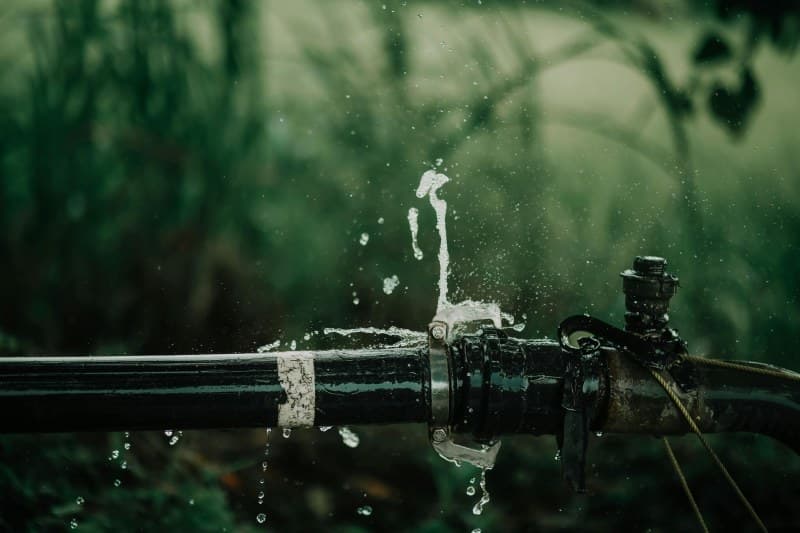
We’ve all been there: lying in bed at 2 AM, listening to the rhythmic drip-drip-drip of a leaky faucet. It’s not just annoying—it’s a waste of water (and money). The good news? You don’t have to call a plumber right away. Let’s break down two key methods to stop that drip, whether you need a quick fix for the night or a permanent solution.
Why Do Faucets Leak Anyway?
Most leaks come from two common issues: worn-out washers (the rubber pieces that seal the water flow) or a loose O-ring (the small ring that holds the handle in place). Over time, water pressure and daily use wear these parts down, leading to drips. Ignoring them can add up—even a small leak wastes up to 30 gallons of water a day!
Two Key Fixes for Leaky Faucets
Let’s compare the two methods side by side to help you choose the right one for your situation:
| Method | Tools Needed | Time to Complete | Pros | Cons |
|---|---|---|---|---|
| Temporary Drip Stop | Household items (rubber band, duct tape, cloth) | 5 minutes | Immediate relief, no tools required, great for emergencies | Only lasts 1-2 days, not a long-term solution |
| Permanent Washer Replacement | Adjustable wrench, screwdriver, new washer | 15-20 minutes | Stops leak for months/years, saves water long-term | Requires basic tools, needs a trip to the hardware store for parts |
1. Temporary Drip Stop (No Tools)
If you need to stop the drip right now (like before bed), grab a rubber band and a small cloth. Here’s how:
1. Turn off the water supply under the sink (look for a small valve).
2. Wrap the cloth around the faucet’s spout opening.
3. Secure the cloth with a rubber band, making sure it’s tight enough to block the drip.
This works because the cloth absorbs any remaining water in the line, and the rubber band keeps it in place. It’s not pretty, but it’ll silence the drip until you can do the permanent fix.
2. Permanent Washer Replacement (Simple Tools)
For a long-term fix, replace the worn washer:
1. Turn off the water supply under the sink.
2. Use a screwdriver to remove the faucet handle (look for a small screw under a plastic cap).
3. Use an adjustable wrench to unscrew the valve stem.
4. Take out the old washer (it’s usually at the end of the stem) and replace it with a new one (match the size to the old one).
5. Reassemble the faucet and turn the water back on.
Pro tip: Take the old washer to the hardware store to get the exact replacement—this avoids guesswork!
“A stitch in time saves nine.” — Benjamin Franklin
This old saying rings true here. Fixing a leaky faucet early prevents bigger problems (like water damage) down the line. My friend Sarah ignored a drip for three weeks, and her water bill went up by $20. She used the temporary method for a night, then replaced the washer the next day—problem solved.
FAQ: Common Questions About Leaky Faucets
Q: Can I fix a leaky faucet without any tools at all?
A: Yes! The temporary drip stop uses household items like rubber bands and cloths. However, for a permanent fix, you’ll need basic tools like a wrench and screwdriver.
Q: How do I know if my faucet uses a washer or a cartridge?
A: Most older faucets (compression type) use washers. Modern faucets (cartridge type) have a cylindrical cartridge instead. Check your faucet’s manual or look up the model online to be sure.
Whether you need a quick fix or a permanent solution, these two methods will help you stop that annoying drip. Remember: even small fixes make a big difference in saving water and money. So next time you hear that drip-drip-drip, don’t wait—grab a rubber band or a wrench and get to work!