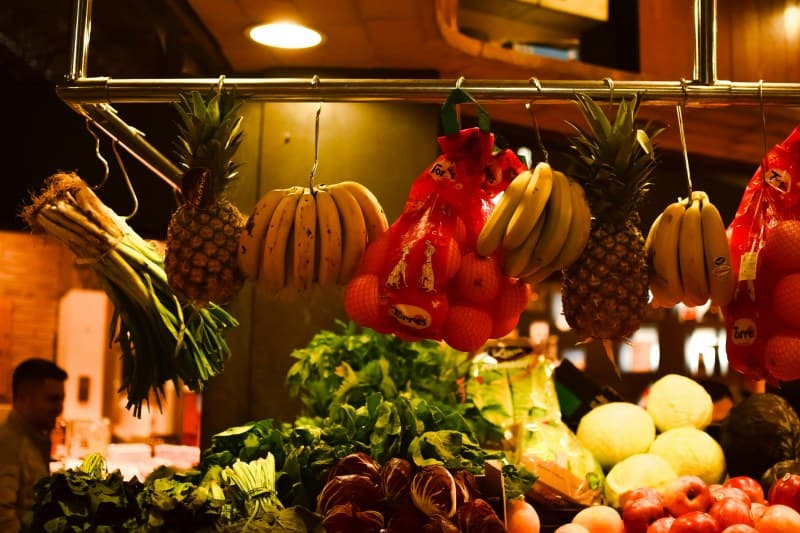
Ever bought a crisp bunch of spinach on Sunday, only to find it wilted and slimy by Tuesday? Or strawberries that turn moldy before you can eat half? You don’t need expensive vacuum sealers or specialty containers to extend your produce’s life—just a few clever tricks using items you already have at home.
4 Key Methods to Keep Produce Fresh Longer
Let’s dive into the most effective, no-fuss methods for different types of produce:
1. Water Bath for Leafy Greens
Leafy greens like spinach, kale, and lettuce lose moisture quickly, leading to wilting. The water bath trick revives them and keeps them fresh:
- Fill a bowl with cold water and submerge the greens for 10-15 minutes.
- Pat them dry with a clean towel or use a salad spinner to remove excess water.
- Store in an airtight container lined with a damp paper towel to maintain humidity.
2. Paper Towel Wrap for Mushrooms
Mushrooms are porous and absorb moisture easily, which causes slime. The paper towel method absorbs excess water:
- Wrap mushrooms in a dry paper towel and place them in a paper bag (not plastic).
- Store in the fridge’s crisper drawer. The paper towel will soak up moisture, keeping mushrooms firm.
3. Airtight Containers for Berries
Berries are prone to mold due to their high water content. Airtight containers with paper towels prevent mold growth:
- Line an airtight container with a dry paper towel.
- Place berries in a single layer (avoid overcrowding).
- Seal the container and store in the fridge. The paper towel absorbs condensation, and the airtight seal keeps out mold spores.
4. Dark, Cool Spot for Root Veggies
Root veggies like potatoes, onions, and garlic don’t need refrigeration. A dark, cool spot (like a pantry or basement) keeps them fresh:
- Store potatoes in a breathable basket or paper bag (avoid plastic, which traps moisture).
- Keep onions and garlic separate from potatoes—potatoes release moisture that can make onions sprout.
Method Comparison Table
Here’s a quick comparison to help you choose the right method for your produce:
| Method | Best For | Prep Time | Shelf Life Boost | Pros | Cons |
|---|---|---|---|---|---|
| Water Bath | Leafy greens (spinach, kale) | 15-20 mins | 3-5 days | Revives wilted greens; easy to do | Requires drying step to avoid mold |
| Paper Towel Wrap | Mushrooms | 2-3 mins | 2-3 days | Prevents slime; uses minimal supplies | Needs a paper bag (not plastic) |
| Airtight Container | Berries (strawberries, blueberries) | 5-10 mins | 4-6 days | Stops mold growth; keeps berries firm | Requires an airtight container |
| Dark Cool Spot | Root veggies (potatoes, onions) | 1-2 mins | 2-4 weeks | No fridge space needed; long shelf life | Requires a cool, dark area |
Myth Busting: Common Produce Storage Mistakes
Let’s debunk a few persistent myths:
- Myth: All produce needs refrigeration.
Fact: Tomatoes, potatoes, onions, and garlic should be stored at room temperature (dark and cool for roots). Refrigeration ruins tomatoes’ flavor and texture. - Myth: Plastic bags are good for all produce.
Fact: Plastic traps moisture, leading to mold or slime. Use paper bags or breathable containers instead.
Classic Wisdom on Reducing Waste
“Waste not, want not.” — English Proverb
This age-old saying rings true for produce storage. By using these simple methods, you’re not only saving money but also reducing food waste—something we can all get behind.
Real-Life Example: Sarah’s Produce Turnaround
Sarah, a busy mom of two, used to throw away half her weekly produce haul. She tried the water bath trick for her greens and was shocked: her spinach lasted a full week instead of two days. Now she swears by the airtight container method for berries too—no more moldy strawberries in her fridge!
FAQ: Common Produce Storage Questions
Q: Can I store apples and bananas together?
A: No. Apples and bananas release ethylene gas, which speeds up ripening. Keep them separate from sensitive produce like leafy greens or carrots to prevent premature wilting.
Q: How long can I store carrots using these methods?
A: Carrots stored in a plastic bag with a damp paper towel in the fridge can last up to 2 weeks. For longer storage, keep them in a root cellar or cool pantry.
Final Tips for Success
Remember:
1. Check your produce regularly—remove any spoiled items to prevent mold from spreading.
2. Don’t wash produce before storing (except leafy greens)—moisture promotes mold.
3. Use breathable containers for most produce to avoid trapped moisture.
With these simple tricks, you’ll cut down on food waste and enjoy fresh produce longer—no fancy gadgets required!